Author: chip@evansdesignstudio.com

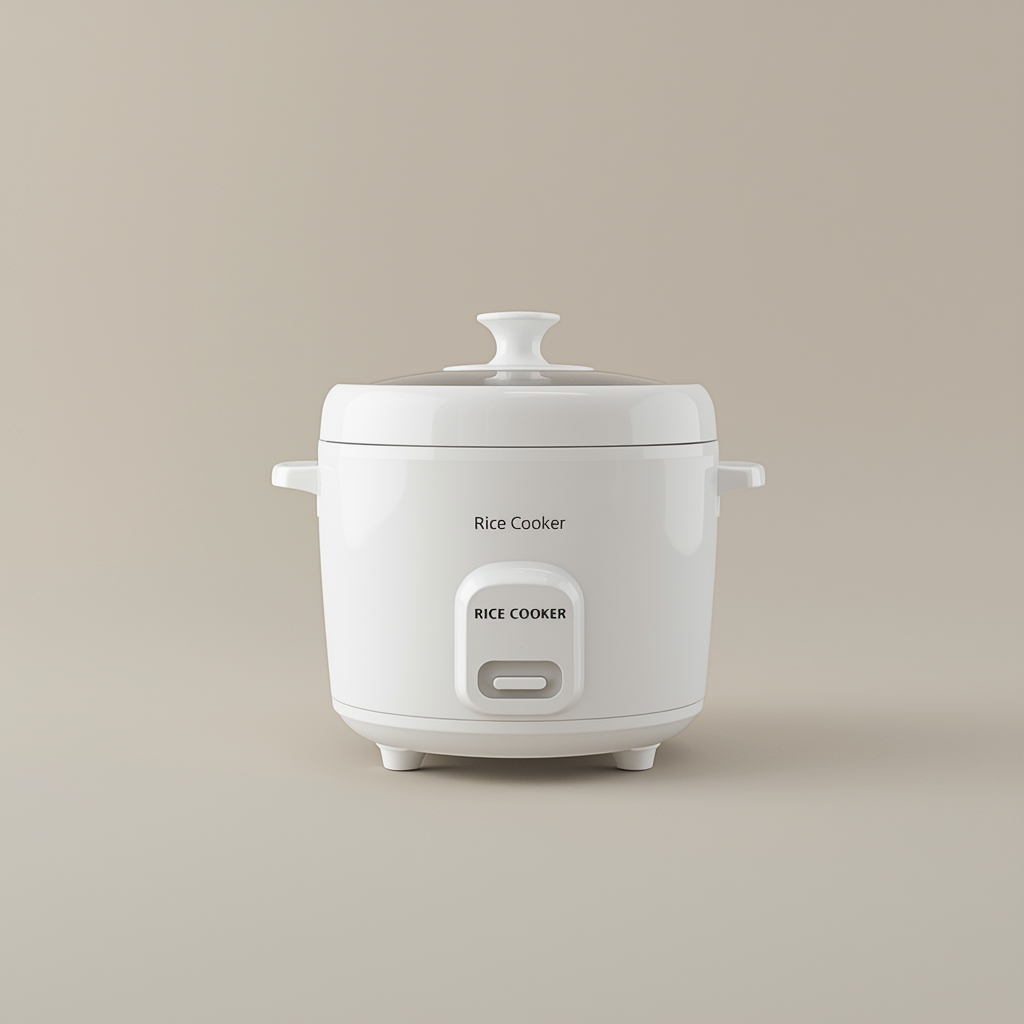
  • Can You Put Rice Cookers in the Dishwasher?

    Can You Put Rice Cookers in the Dishwasher?

    Can you put Rice Cookers in the dishwasher?

    No, it is generally not recommended to put rice cookers in the dishwasher.

    Why or Why Not?

    Rice cookers typically have components that are not dishwasher safe. The inner pot is often made of non-stick materials that can be damaged by the high heat and harsh detergents used in dishwashers. Additionally, the electrical components and heating elements are not designed to withstand water exposure.

    What Happens If You Do Anyway?

    If you put a rice cooker in the dishwasher, you risk damaging the appliance. The non-stick coating may peel or scratch, leading to food sticking in the future. Furthermore, water can seep into the electrical parts, potentially causing short circuits or permanent damage. This could render the rice cooker unusable and void any warranty.

    Manufacturer Guidance (General)

    Most manufacturers advise against placing rice cookers in the dishwasher. They typically recommend hand washing the inner pot and any removable parts with mild soap and warm water. Always refer to the user manual for specific cleaning instructions tailored to your model.

    Safer Way to Clean It

    The safest way to clean a rice cooker is to unplug it and allow it to cool down. Remove the inner pot and wash it by hand using a soft sponge and mild detergent. Wipe the exterior with a damp cloth. For stubborn stains, soak the inner pot in warm soapy water before scrubbing. Ensure all parts are completely dry before reassembling.

    Frequently Asked Questions

    Q: Can I wash the inner pot in the dishwasher?
    A: It depends on the material. If it is labeled as dishwasher safe, you can wash it in the dishwasher. Otherwise, hand washing is recommended.

    Q: How often should I clean my rice cooker?
    A: It is best to clean your rice cooker after every use to prevent buildup and maintain hygiene.

    Q: What should I do if food is stuck to the inner pot?
    A: Soak the inner pot in warm soapy water for a while, then use a soft sponge to gently scrub away the residue.
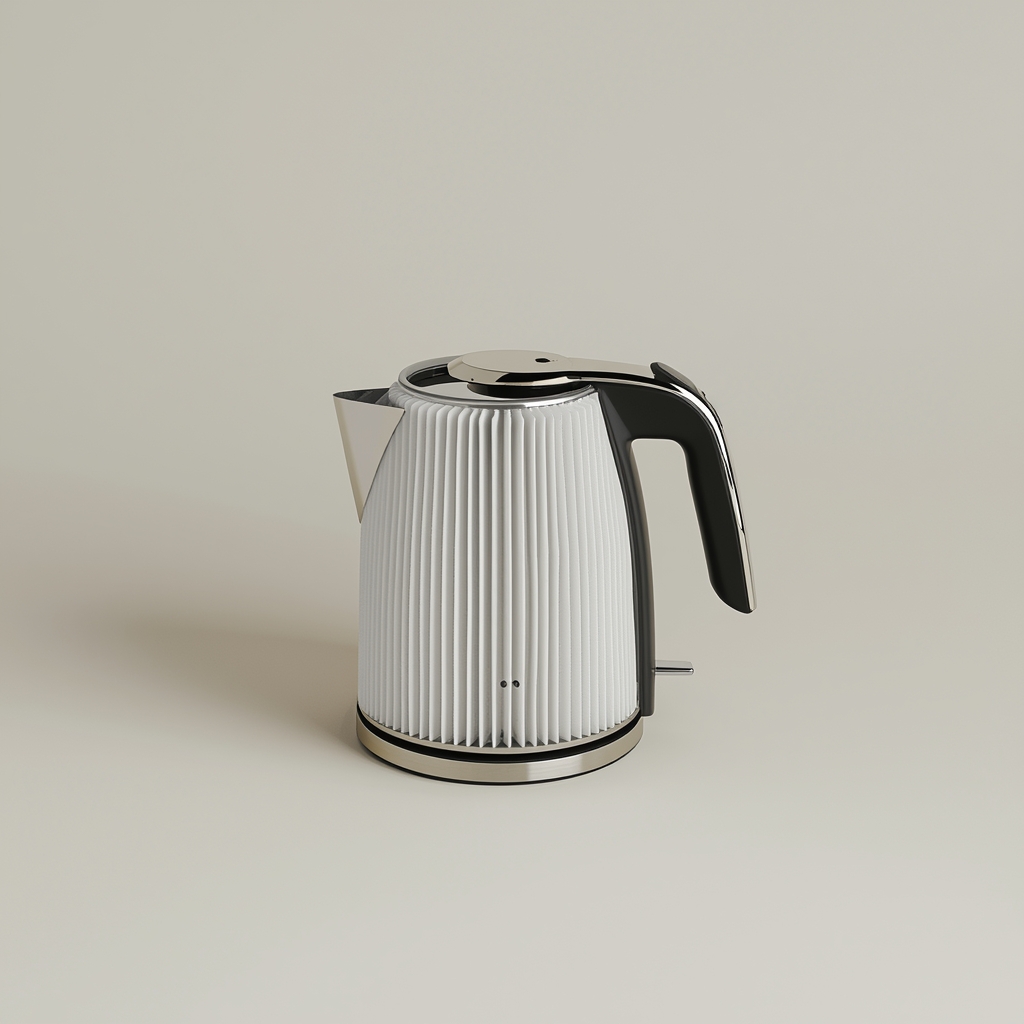
  • Can You Put Electric Kettle Filters in the Dishwasher?

    Can You Put Electric Kettle Filters in the Dishwasher?

    Yes, you can put some electric kettle filters in the dishwasher, but it depends on the material.

    Many electric kettle filters are made from plastic or metal, which may be dishwasher safe. However, it is essential to check the manufacturer’s instructions to ensure that the filter can withstand the high temperatures and water pressure of a dishwasher.

    Why or Why Not?

    Electric kettle filters often contain components that can be sensitive to heat and harsh detergents. If the filter is made from materials that are not dishwasher safe, putting it in the dishwasher can lead to warping, melting, or degradation of the filter. Additionally, some filters may have electronic components that are not designed to be exposed to water.

    What Happens If You Do Anyway?

    If you place a non-dishwasher-safe filter in the dishwasher, you risk damaging it. This can result in a compromised filter that may not function correctly, leading to poor water quality or even damage to the kettle itself. In some cases, the filter may become unusable, necessitating a replacement.

    Manufacturer Guidance (General)

    Most manufacturers provide specific cleaning instructions for their products. It is advisable to refer to the user manual or the manufacturer’s website for guidance on cleaning the filter. Some manufacturers may recommend hand washing with mild soap and water instead of using a dishwasher.

    Safer Way to Clean It

    The safest way to clean an electric kettle filter is to hand wash it. Use warm water and a mild detergent to gently scrub the filter. Avoid using abrasive materials that could scratch or damage the filter. Rinse thoroughly to remove any soap residue and allow it to air dry completely before reassembling it with the kettle.

    Frequently Asked Questions

    Q: Can I use vinegar to clean my electric kettle filter?
    A: Yes, vinegar can be used to help remove mineral deposits, but it should be diluted with water and rinsed thoroughly afterward.

    Q: How often should I clean my electric kettle filter?
    A: It is recommended to clean the filter every few weeks, or more frequently if you notice a buildup of minerals or impurities.

    Q: Are all electric kettle filters removable?
    A: Not all electric kettle filters are removable. Some are built into the kettle and cannot be taken out for cleaning.

  • Can You Put Electric Kettle Lids in the Dishwasher?

    Can You Put Electric Kettle Lids in the Dishwasher?

    Yes.

    Electric kettle lids can generally be placed in the dishwasher, but it is essential to check the manufacturer’s instructions first.

    Why or Why Not?

    The primary reason some electric kettle lids are dishwasher safe is that they are made from materials that can withstand high temperatures and water exposure. However, certain lids may contain electronic components or seals that could be damaged in a dishwasher. Therefore, it is crucial to verify the specific guidelines provided by the manufacturer.

    What Happens If You Do Anyway?

    If you place a non-dishwasher-safe lid in the dishwasher, you risk damaging the lid or the kettle itself. This could lead to issues such as warping, melting, or the failure of seals that keep the kettle watertight. In some cases, the electronic components may short-circuit, rendering the kettle unusable.

    Manufacturer Guidance (General)

    Most manufacturers provide care instructions for their products. These instructions often specify whether the lid is dishwasher safe. If the lid is made from stainless steel or certain plastics, it may be safe for the dishwasher. Conversely, if it contains rubber seals or electronic parts, hand washing is usually recommended.

    Safer Way to Clean It

    The safest way to clean an electric kettle lid is to wash it by hand. Use warm, soapy water and a soft sponge to avoid scratching the surface. Rinse thoroughly and dry with a soft cloth. This method ensures that you do not risk damaging any components while still keeping the lid clean.

    Frequently Asked Questions

    Q: Can I wash my electric kettle lid with bleach?
    A: No, bleach can damage the materials and seals of the lid.

    Q: How often should I clean my electric kettle lid?
    A: It is advisable to clean the lid regularly, especially if you use the kettle frequently.

    Q: What should I do if my kettle lid has a strong odor?
    A: Clean it with a mixture of vinegar and water to help eliminate odors.

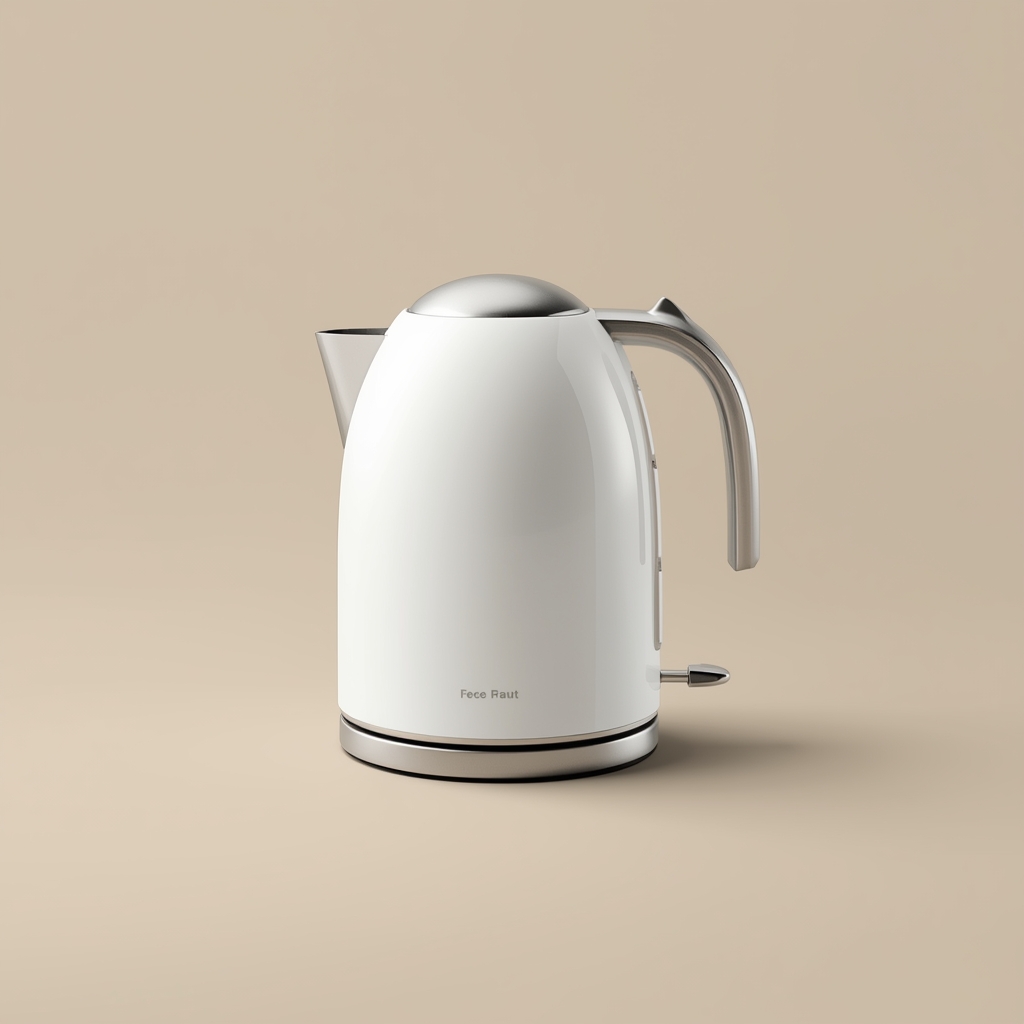
  • Can You Put Electric Kettles in the Dishwasher?

    Can You Put Electric Kettles in the Dishwasher?

    Can you put Electric Kettles in the dishwasher?

    No, electric kettles should not be placed in the dishwasher.

    Why or Why Not?

    Electric kettles typically contain electrical components and heating elements that are not designed to withstand the high temperatures and moisture levels of a dishwasher. Water can seep into these components, potentially causing damage or creating safety hazards.

    Additionally, many kettles have plastic parts that may warp or degrade in the dishwasher. The detergent used in dishwashers can also be too harsh for the materials used in electric kettles, leading to discoloration or deterioration over time.

    What Happens If You Do Anyway?

    If you place an electric kettle in the dishwasher, you risk damaging the internal wiring and heating element. This can lead to malfunction or complete failure of the kettle. Furthermore, if water enters the electrical components, it may pose a risk of electric shock or fire when the kettle is used again.

    In some cases, the kettle may appear to function normally after a dishwasher cycle, but hidden damage could compromise its safety and efficiency. It is advisable to avoid this practice to ensure the longevity and safety of the appliance.

    Manufacturer Guidance (General)

    Most manufacturers recommend cleaning electric kettles with a damp cloth or sponge. They often advise against submerging the kettle in water or placing it in a dishwasher. Always refer to the user manual for specific cleaning instructions tailored to your model.

    Some kettles may have removable parts that can be washed separately, but the main body should be kept dry and free from excessive moisture. Following the manufacturer’s guidelines will help maintain the kettle’s performance and safety.

    Safer Way to Clean It

    The safest way to clean an electric kettle is to unplug it and allow it to cool completely. Use a soft cloth or sponge dampened with water and mild detergent to wipe the exterior. For the interior, a mixture of water and vinegar can help remove mineral deposits. Rinse thoroughly with clean water, ensuring no liquid enters the electrical components.

    Regular maintenance, such as descaling, can also prolong the life of the kettle without the need for harsh cleaning methods.

    Frequently Asked Questions

    Q: Can I clean the lid and spout of my electric kettle in the dishwasher?
    A: It depends on the material. If they are removable and made of dishwasher-safe materials, you may clean them in the dishwasher. Always check the user manual.

    Q: How often should I clean my electric kettle?
    A: It is recommended to clean your electric kettle every few weeks, or more frequently if you notice mineral buildup or odors.

    Q: Is it safe to use vinegar to clean my electric kettle?
    A: Yes, using a mixture of vinegar and water is a safe and effective way to descale and clean the interior of your electric kettle.

  • Can You Put Espresso Machine Portafilters in the Dishwasher?

    Can You Put Espresso Machine Portafilters in the Dishwasher?

    Yes, you can put espresso machine portafilters in the dishwasher, but it is not recommended.

    While many people may consider this method for convenience, it can lead to several issues that affect the performance and longevity of the portafilter.

    Why or Why Not?

    Portafilters are typically made from metal, which can be affected by the high temperatures and harsh detergents used in dishwashers. The heat can cause warping or damage to the metal, while the detergents can leave residues that may affect the taste of your espresso. Additionally, the pressure and movement in the dishwasher can lead to physical damage.

    What Happens If You Do Anyway?

    If you choose to wash your portafilter in the dishwasher, you may notice that it does not fit properly in your espresso machine afterward. This misalignment can lead to uneven extraction and poor-quality espresso. Furthermore, any residual detergent can contaminate your coffee, resulting in an unpleasant taste.

    Manufacturer Guidance (General)

    Most manufacturers recommend hand washing portafilters with warm water and mild soap. This method is less abrasive and helps maintain the integrity of the metal. Always check the manufacturer’s instructions for specific cleaning recommendations, as some may have unique guidelines based on the materials used in their portafilters.

    Safer Way to Clean It

    The safest way to clean a portafilter is to rinse it immediately after use. Use warm water to remove coffee grounds and oils. For a deeper clean, soak it in a solution of warm water and a small amount of dish soap for a few minutes. Use a soft brush to scrub any stubborn residues, then rinse thoroughly and dry completely before reassembling.

    Frequently Asked Questions

    Q: Can I use vinegar to clean my portafilter?
    A: Yes, vinegar can be used as a natural cleaning agent, but it should be rinsed thoroughly afterward to avoid any lingering taste.

    Q: How often should I clean my portafilter?
    A: It is recommended to clean your portafilter after every use to maintain optimal performance and flavor.

    Q: Is it safe to use a dishwasher for other espresso machine parts?
    A: Some parts may be dishwasher safe, but always refer to the manufacturer’s guidelines for each specific component.

  • Can You Put Espresso Machine Water Tanks in the Dishwasher?

    Can You Put Espresso Machine Water Tanks in the Dishwasher?

    Why or Why Not?

    No, you should not put espresso machine water tanks in the dishwasher. Most water tanks are made from materials that can warp or degrade in high heat and harsh detergents. The intense heat of a dishwasher can cause plastic components to lose their shape, leading to leaks or improper fit when reattached to the machine.

    Additionally, the detergent used in dishwashers can leave residues that may affect the taste of your espresso. Even if the tank appears clean after a cycle, these residues can linger and impact the quality of your beverages.

    What Happens If You Do Anyway?

    If you place an espresso machine water tank in the dishwasher, you may experience several issues. The tank could warp, making it difficult to fit back onto the machine. This can lead to leaks, which may damage the internal components of your espresso machine.

    Furthermore, any detergent residue left in the tank can contaminate the water supply. This can result in off-flavors in your espresso and may even require a thorough cleaning of the entire machine to eliminate any lingering tastes.

    Manufacturer Guidance (General)

    Most manufacturers recommend cleaning water tanks by hand. They often suggest using warm, soapy water and a soft cloth or sponge. This method is generally safer and more effective in maintaining the integrity of the tank.

    It is also advisable to check the user manual for specific cleaning instructions. Some manufacturers may provide additional guidelines or warnings regarding the materials used in their water tanks.

    Safer Way to Clean It

    The safest way to clean an espresso machine water tank is to use warm, soapy water. Fill the tank with warm water and a few drops of mild dish soap. Use a soft sponge or cloth to gently scrub the interior and exterior surfaces.

    Rinse thoroughly with clean water to remove any soap residue. Allow the tank to air dry completely before reattaching it to the espresso machine. This method ensures that the tank remains in good condition and free from harmful residues.

    Frequently Asked Questions

    Q: Can I use vinegar to clean my espresso machine water tank?
    A: Yes, you can use a diluted vinegar solution to clean the tank, but make sure to rinse thoroughly afterward to avoid any lingering taste.

    Q: How often should I clean the water tank?
    A: It is recommended to clean the water tank at least once a week, or more frequently if you use the machine daily.

    Q: Is it safe to use bleach to clean the water tank?
    A: No, bleach is not recommended as it can leave harmful residues and damage the tank material.

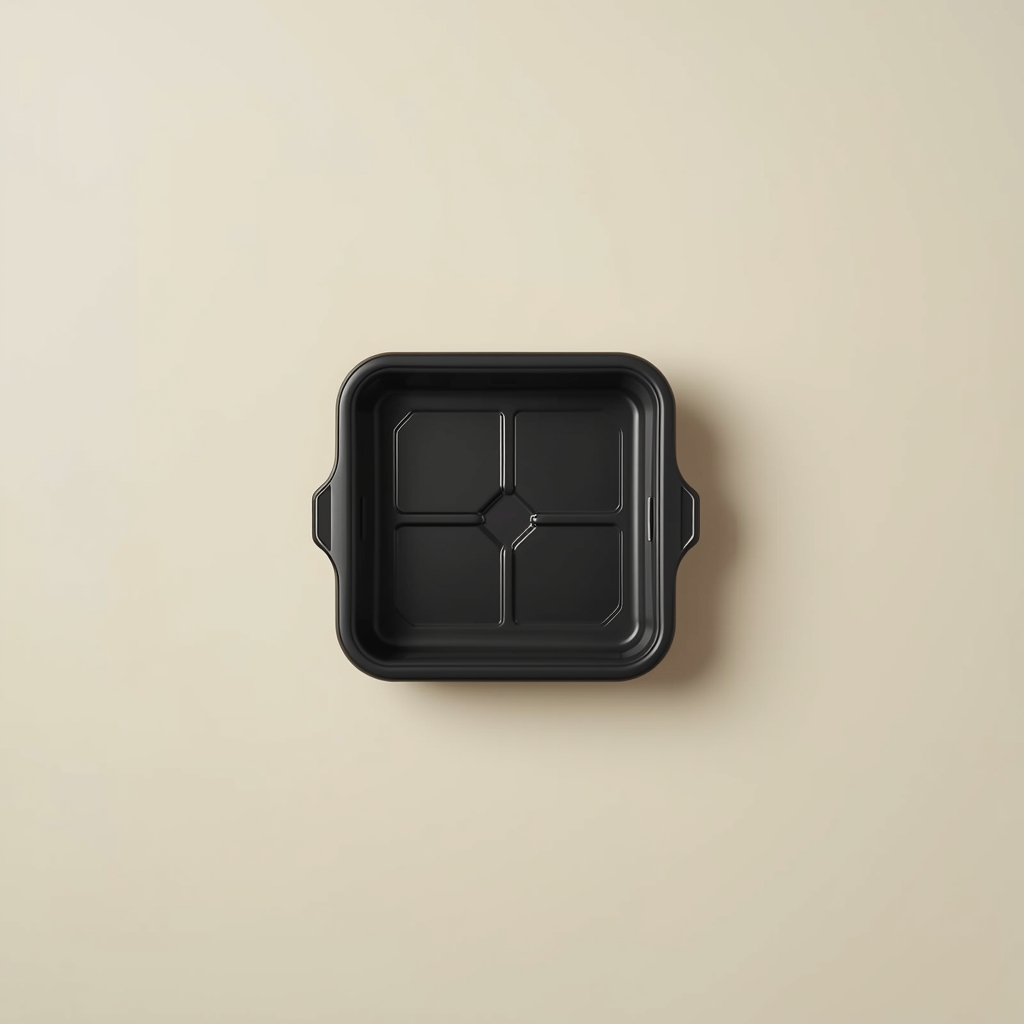
  • Can You Put Espresso Machine Drip Trays in the Dishwasher?

    Can You Put Espresso Machine Drip Trays in the Dishwasher?

    Yes, you can put espresso machine drip trays in the dishwasher.

    However, it is essential to check the material of the drip tray before doing so. Many drip trays are made from stainless steel or plastic, which are generally dishwasher safe. Yet, some may have components that could be damaged by high temperatures or harsh detergents.

    Why or Why Not?

    Putting drip trays in the dishwasher can save time and ensure thorough cleaning. Dishwashers use high temperatures and strong water jets to remove coffee residue and stains effectively. On the other hand, certain materials may warp or discolor in the dishwasher, leading to potential issues with fit or function.

    What Happens If You Do Anyway?

    If you place a drip tray that is not dishwasher safe in the dishwasher, you risk damaging it. This could result in warping, cracking, or fading. Additionally, if the tray has any electronic components or attachments, these may malfunction after exposure to water and heat.

    Manufacturer Guidance (General)

    Most manufacturers provide specific cleaning instructions for their products. It is advisable to consult the user manual or the manufacturer’s website for guidance on whether the drip tray is dishwasher safe. Following these recommendations can help maintain the integrity and longevity of the espresso machine.

    Safer Way to Clean It

    If you are unsure about putting the drip tray in the dishwasher, a safer alternative is to wash it by hand. Use warm soapy water and a soft sponge to clean the tray. Rinse thoroughly and allow it to air dry. This method minimizes the risk of damage while ensuring cleanliness.

    Frequently Asked Questions

    Q: Can I use bleach to clean my drip tray?
    A: It is not recommended to use bleach, as it can damage the material and leave harmful residues.

    Q: How often should I clean my espresso machine drip tray?
    A: It is advisable to clean the drip tray after every use to prevent buildup and maintain hygiene.

    Q: What should I do if my drip tray is stained?
    A: For stubborn stains, soak the tray in a mixture of vinegar and water before scrubbing gently with a sponge.

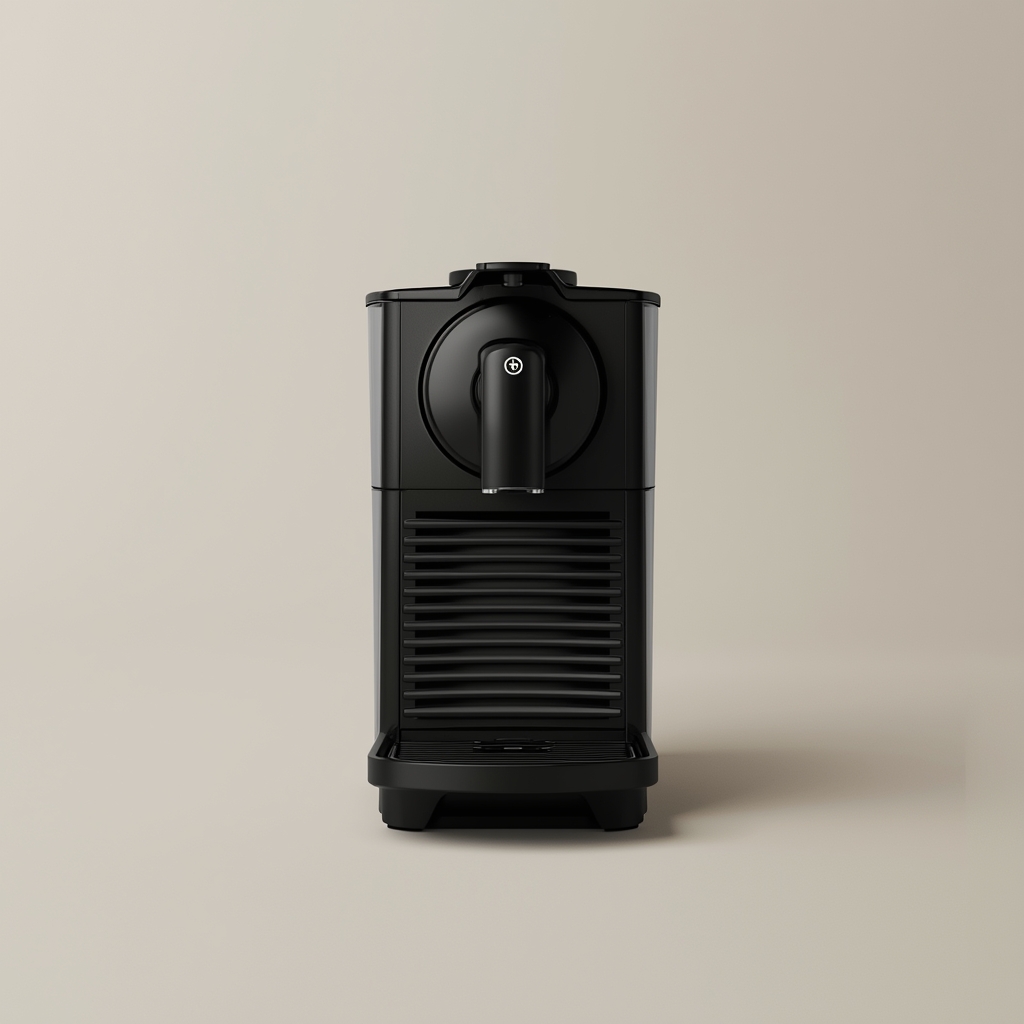
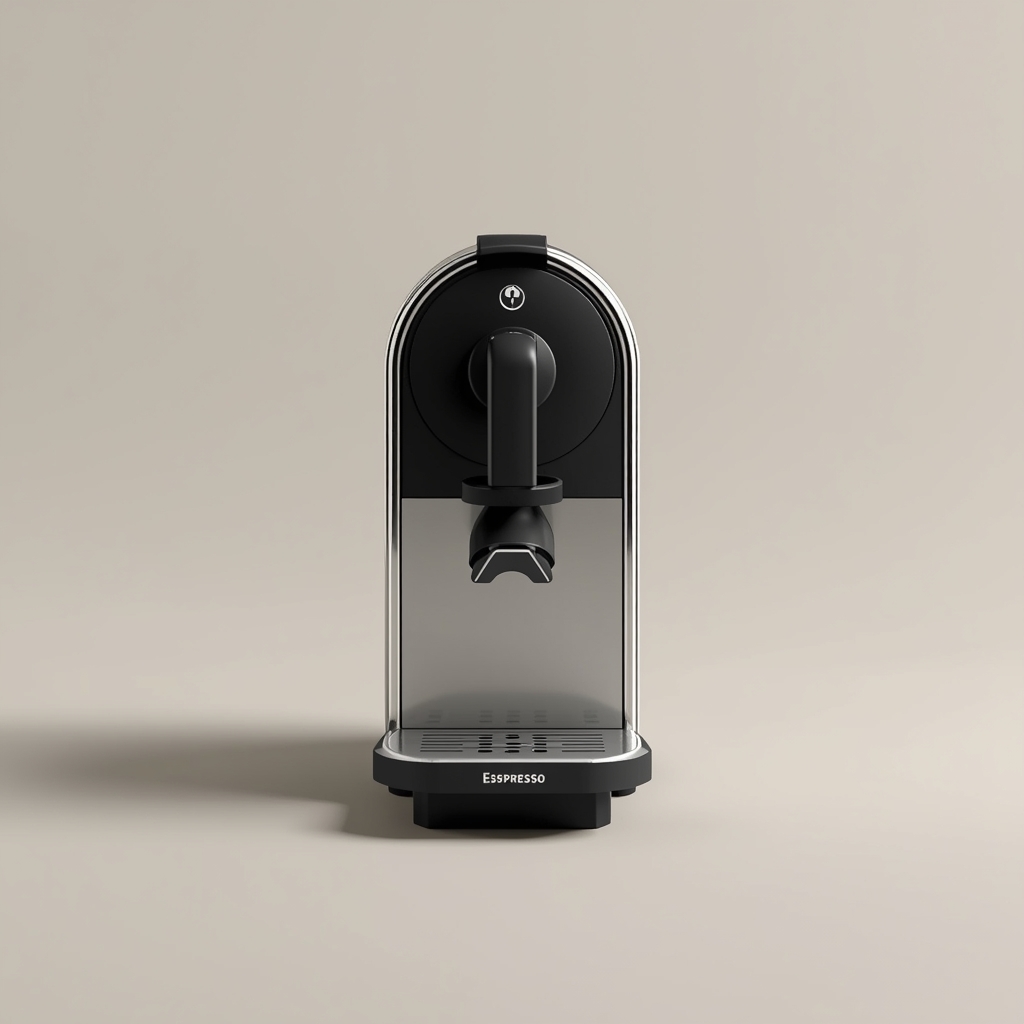
  • Can You Put Espresso Machines in the Dishwasher?

    Can You Put Espresso Machines in the Dishwasher?

    Can you put Espresso Machines in the dishwasher?

    No, you generally cannot put espresso machines in the dishwasher.

    Why or Why Not?

    Espresso machines are complex devices that often contain electronic components and sensitive parts. These components can be damaged by the high temperatures and water exposure in a dishwasher. Additionally, many espresso machines have parts that are not dishwasher-safe, such as the boiler and the pump.

    What Happens If You Do Anyway?

    If you put an espresso machine in the dishwasher, you risk damaging the internal electronics and seals. This can lead to leaks, malfunctions, or complete failure of the machine. Even if some removable parts are dishwasher-safe, the risk of water getting into areas that should remain dry is significant.

    Manufacturer Guidance (General)

    Most manufacturers recommend cleaning espresso machines by hand. They often provide specific cleaning instructions for different components. Always refer to the user manual for guidance on how to properly clean your machine without risking damage.

    Safer Way to Clean It

    The safest way to clean an espresso machine is to disassemble it according to the manufacturer’s instructions. Use a damp cloth and mild detergent to clean the exterior and removable parts. For the brew group and other internal components, use a soft brush or cloth to remove coffee grounds and residue. Regular maintenance will help keep the machine in good working order.

    Frequently Asked Questions

    Q: Can I wash the portafilter in the dishwasher?
    A: It is generally not recommended to wash the portafilter in the dishwasher. Hand washing is safer to avoid damage.

    Q: What parts of the espresso machine are usually dishwasher-safe?
    A: Some removable parts like the drip tray and water reservoir may be dishwasher-safe, but always check the manual.

    Q: How often should I clean my espresso machine?
    A: It is advisable to clean your espresso machine after every use and perform a deep clean weekly or monthly, depending on usage.

  • Can You Put Coffee Maker Water Reservoirs in the Dishwasher?

    Can You Put Coffee Maker Water Reservoirs in the Dishwasher?

    Why or Why Not?

    No, you generally cannot put coffee maker water reservoirs in the dishwasher. Most coffee maker water reservoirs are made from plastic materials that may not be dishwasher safe. High temperatures and harsh detergents used in dishwashers can warp or damage these components, leading to leaks or malfunctions.

    What Happens If You Do Anyway?

    If you place a coffee maker water reservoir in the dishwasher, you risk damaging it. The heat from the dishwasher can cause the plastic to deform, which may result in an improper fit when reattached to the coffee maker. Additionally, any residual detergent can affect the taste of your coffee, leading to an unpleasant experience.

    Manufacturer Guidance (General)

    Most manufacturers recommend hand washing coffee maker water reservoirs. They typically suggest using warm, soapy water and a soft sponge to clean the reservoir. This method helps maintain the integrity of the material and ensures that no harmful residues remain.

    Safer Way to Clean It

    A safer way to clean your coffee maker water reservoir is to fill it with warm water and a few drops of mild dish soap. Use a soft cloth or sponge to scrub the interior and exterior gently. Rinse thoroughly with clean water to remove any soap residue. Allow it to air dry completely before reattaching it to the coffee maker.

    Frequently Asked Questions

    Can I clean my coffee maker water reservoir with vinegar?
    Yes, you can use a mixture of vinegar and water to clean the reservoir. This helps remove mineral buildup.

    How often should I clean my coffee maker water reservoir?
    It is recommended to clean the reservoir every few weeks or more frequently if you notice any buildup or odors.

    Is it safe to use bleach to clean the reservoir?
    No, using bleach is not recommended as it can leave harmful residues and affect the taste of your coffee.

  • Can You Put Coffee Maker Drip Trays in the Dishwasher?

    Can You Put Coffee Maker Drip Trays in the Dishwasher?

    Yes, you can put coffee maker drip trays in the dishwasher.

    However, this is contingent on the material of the drip tray and the specific guidelines provided by the manufacturer. Many drip trays are made from plastic or metal, both of which can typically withstand the dishwasher’s cleaning cycle. It is essential to check the manufacturer’s instructions to ensure that the drip tray is dishwasher-safe.

    Why or Why Not?

    Drip trays are designed to collect excess coffee and water, making them prone to stains and odors. Cleaning them in a dishwasher can effectively remove these residues. However, some materials may warp or degrade under high heat or harsh detergents. If the drip tray is not dishwasher-safe, it may become misshapen or damaged, leading to leaks or improper fit.

    What Happens If You Do Anyway?

    If you place a non-dishwasher-safe drip tray in the dishwasher, it may not only warp but could also release harmful chemicals into your dishwasher. Additionally, a damaged drip tray may not function correctly, leading to spills and messes during coffee brewing. It’s crucial to be aware of the risks involved in cleaning non-compatible items in the dishwasher.

    Manufacturer Guidance (General)

    Most manufacturers provide specific cleaning instructions for their coffee makers and accessories. Generally, if the drip tray is made of plastic, it may be labeled as dishwasher-safe. Metal trays may also be safe but could require a gentle cycle. Always refer to the user manual for the most accurate information regarding cleaning methods and safety precautions.

    Safer Way to Clean It

    If you are unsure about placing your drip tray in the dishwasher, hand washing is a reliable alternative. Use warm, soapy water and a soft sponge to clean the tray. Rinse thoroughly to remove any soap residue. This method is gentle and ensures that the tray maintains its shape and functionality over time.

    Frequently Asked Questions

    Q: Can I use bleach to clean my coffee maker drip tray?
    A: It is not recommended to use bleach as it can damage the material and leave harmful residues.

    Q: How often should I clean my coffee maker drip tray?
    A: It is advisable to clean the drip tray after every use to prevent buildup and odors.

    Q: What if my drip tray has stubborn stains?
    A: For stubborn stains, soak the tray in a mixture of vinegar and water before scrubbing gently.