Author: chip@evansdesignstudio.com

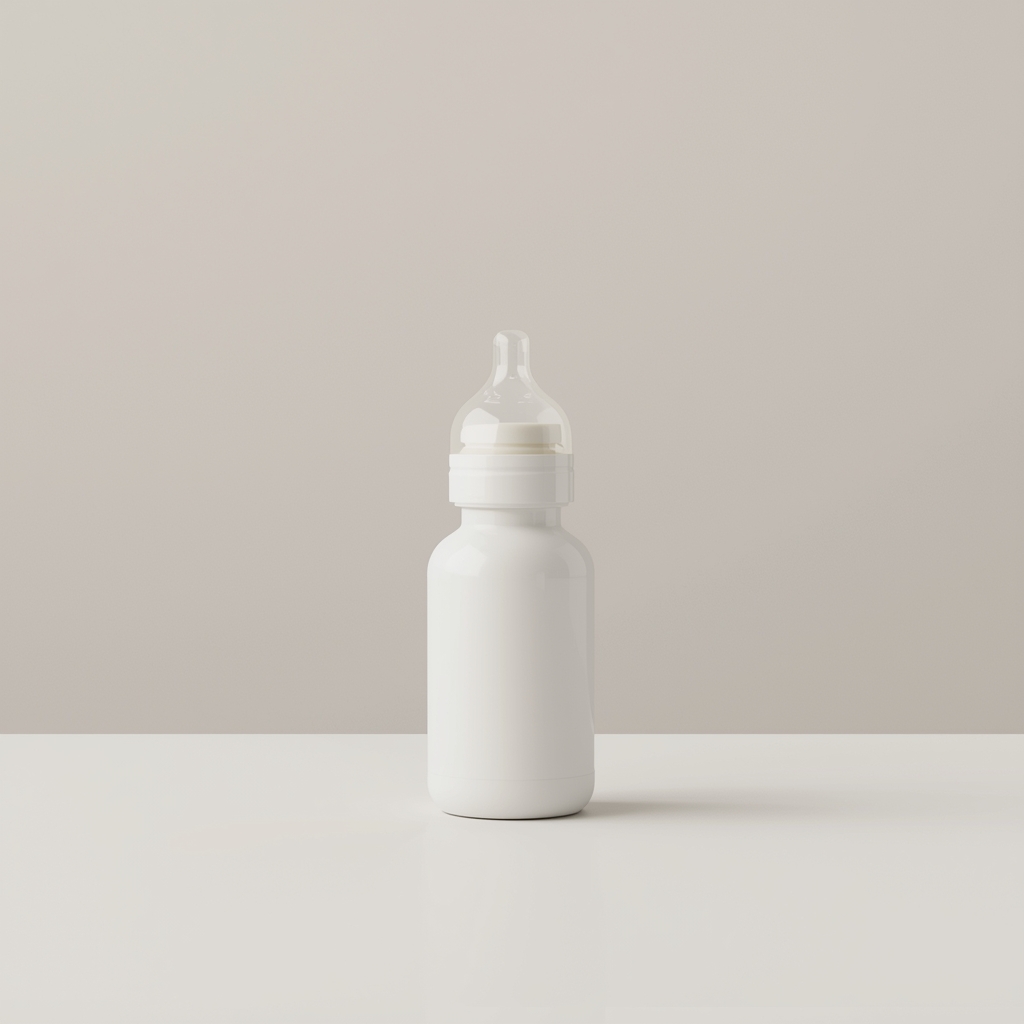
  • Can You Put Plastic Baby Bottles in the Dishwasher?

    Can You Put Plastic Baby Bottles in the Dishwasher?

    Yes, you can put plastic baby bottles in the dishwasher.

    Why or Why Not?

    Plastic baby bottles are generally dishwasher safe, but there are important considerations. Many manufacturers design their bottles to withstand the heat and pressure of a dishwasher cycle. However, not all plastic materials are created equal. Some plastics may warp or degrade over time when exposed to high temperatures. It is crucial to check the specific guidelines provided by the manufacturer to ensure the longevity and safety of the bottle.

    What Happens If You Do Anyway?

    If you place a non-dishwasher-safe plastic baby bottle in the dishwasher, it may become misshapen or develop cracks. This can compromise the bottle’s integrity, leading to leaks or contamination. Additionally, harmful chemicals may leach from degraded plastics, posing potential health risks. Therefore, it is essential to adhere to the manufacturer’s recommendations to avoid these issues.

    Manufacturer Guidance (General)

    Most manufacturers provide specific instructions regarding the cleaning of their baby bottles. Generally, bottles labeled as dishwasher safe can be placed on the top rack of the dishwasher. This area is less exposed to direct heat compared to the bottom rack. Always remove any nipples or other components before washing, as these parts may require separate cleaning methods. If the bottle is not marked as dishwasher safe, hand washing is recommended to maintain its condition.

    Safer Way to Clean It

    For those who prefer a more cautious approach, hand washing is a reliable method. Use warm, soapy water and a bottle brush to clean the inside thoroughly. Rinse well to remove any soap residue. Additionally, sterilizing the bottles periodically can help ensure they are free from harmful bacteria. Boiling water or steam sterilizers are effective methods for this purpose. Always allow the bottles to cool before handling them.

    Frequently Asked Questions

    Q: Can I use the dishwasher for all types of baby bottles?
    A: No, only those specifically labeled as dishwasher safe should be placed in the dishwasher.

    Q: How often should I clean baby bottles?
    A: It is recommended to clean baby bottles after each use to prevent bacterial growth.

    Q: What is the best way to sterilize baby bottles?
    A: Boiling them in water or using a steam sterilizer are both effective methods for sterilization.
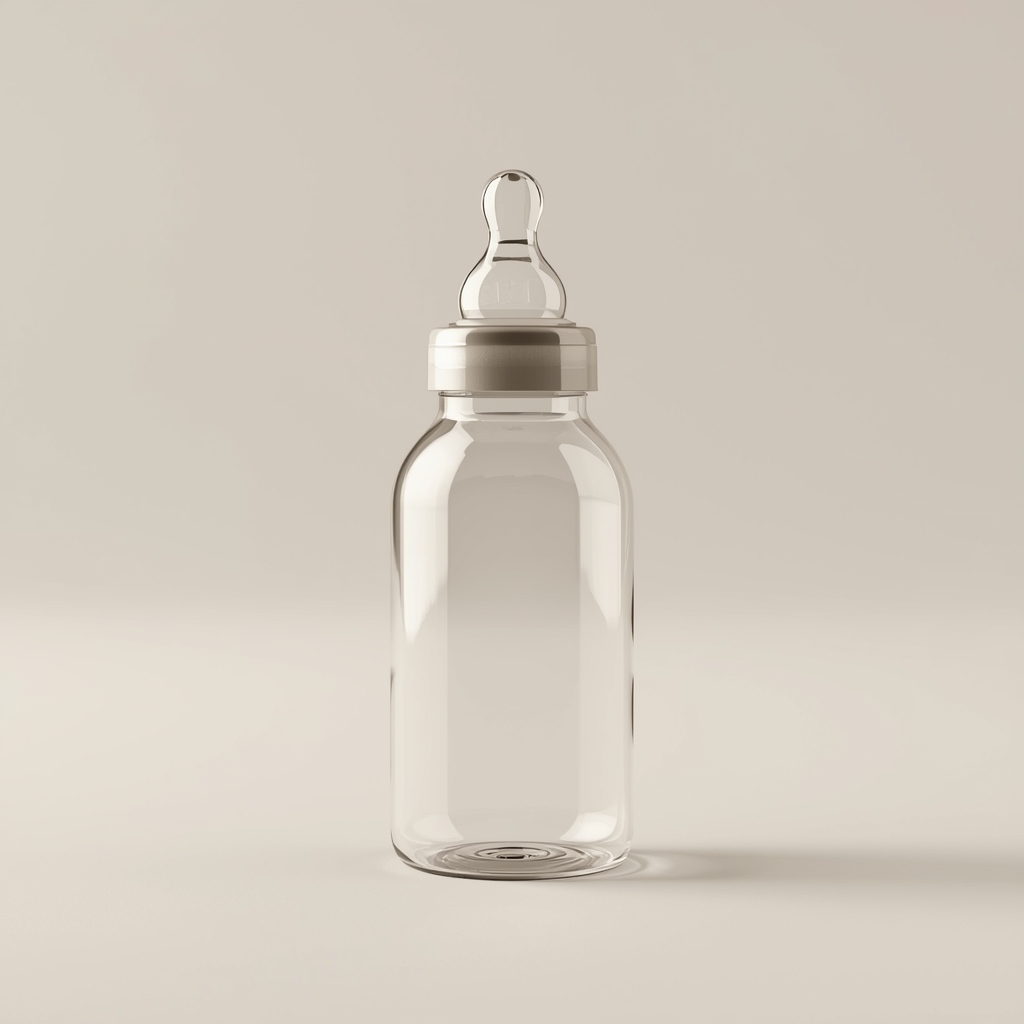
  • Can You Put Glass Baby Bottles in the Dishwasher?

    Can You Put Glass Baby Bottles in the Dishwasher?

    Yes, you can put glass baby bottles in the dishwasher.

    However, there are specific considerations to keep in mind to ensure their longevity and safety.

    Why or Why Not?

    Glass baby bottles are generally dishwasher safe, but it is essential to check the manufacturer’s instructions. The high temperatures and strong detergents used in dishwashers can sometimes cause wear over time. Additionally, if the bottles have any plastic components, those may not be dishwasher safe.

    What Happens If You Do Anyway?

    If you place glass baby bottles in the dishwasher without following the manufacturer’s guidelines, you may risk damaging the bottles. This could lead to chips or cracks, which can compromise the safety of the bottle. Furthermore, if any plastic parts are included, they may warp or degrade, affecting their functionality.

    Manufacturer Guidance (General)

    Most manufacturers provide specific cleaning instructions for their glass baby bottles. It is advisable to refer to these guidelines before using a dishwasher. Some brands may recommend placing the bottles on the top rack only, while others may suggest hand washing to maintain the integrity of the glass and any attached components.

    Safer Way to Clean It

    The safest way to clean glass baby bottles is by hand washing them with warm, soapy water. Use a soft sponge to avoid scratching the glass. Rinse thoroughly to remove any soap residue. If you prefer to use a dishwasher, ensure that the bottles are securely placed and that you follow the manufacturer’s recommendations.

    Frequently Asked Questions

    Q: Can I use any dishwasher cycle for glass baby bottles?
    A: It is best to use a gentle cycle to minimize the risk of damage.

    Q: Are all glass baby bottles dishwasher safe?
    A: Not all glass baby bottles are dishwasher safe; always check the manufacturer’s instructions.

    Q: How can I tell if my glass baby bottle is damaged?
    A: Inspect the bottle for any visible cracks, chips, or rough edges before use.

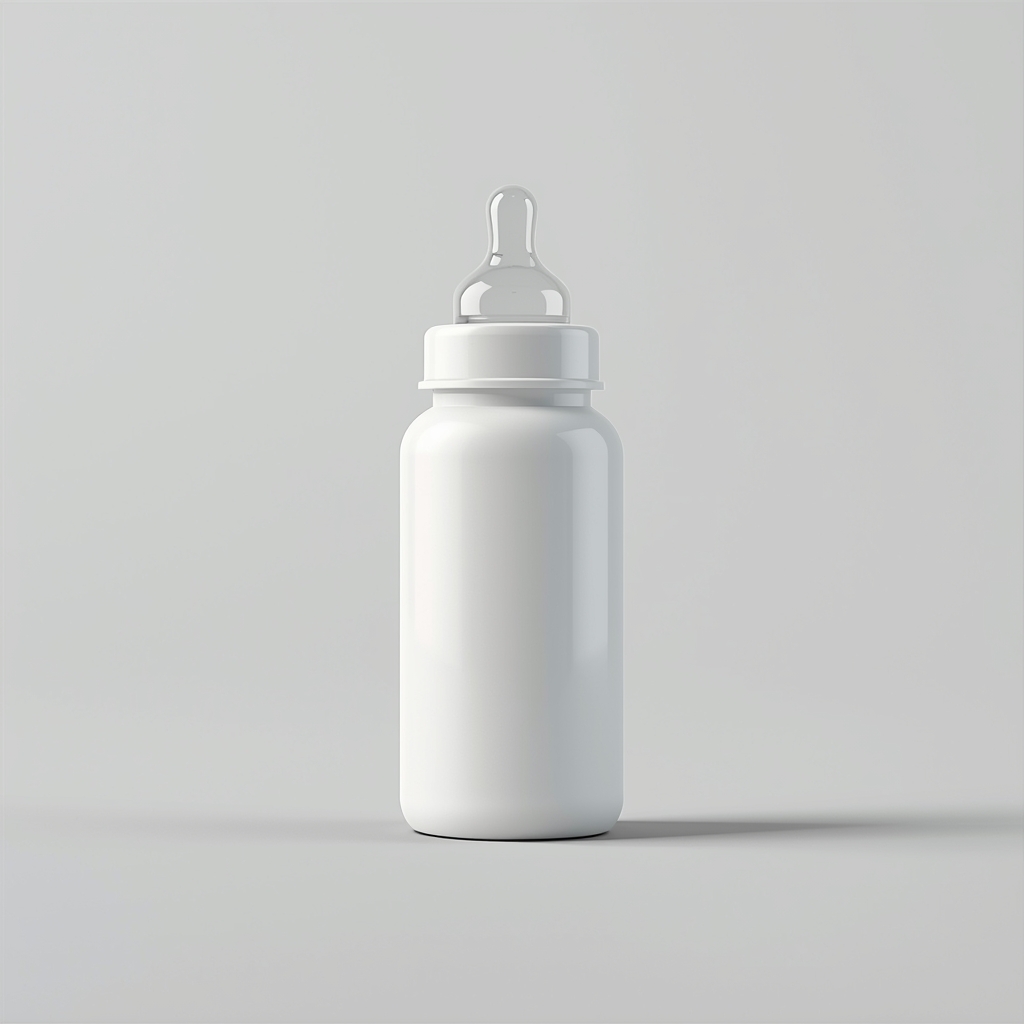
  • Can You Put Baby Bottles in the Dishwasher?

    Can You Put Baby Bottles in the Dishwasher?

    Yes, you can put baby bottles in the dishwasher.

    However, there are important considerations to keep in mind to ensure safety and cleanliness.

    Why or Why Not?

    Baby bottles are often made from materials that are dishwasher-safe, such as polypropylene or glass. The high temperatures in a dishwasher can effectively sanitize these items, making them a convenient option for busy parents. However, some components, like nipples and certain plastic parts, may degrade over time due to the heat and harsh detergents used in dishwashers.

    What Happens If You Do Anyway?

    If you choose to wash baby bottles in the dishwasher, you may notice that some parts can become warped or discolored after repeated washes. This degradation can lead to leaks or compromised safety. Additionally, if bottles are not placed securely in the dishwasher, they may not be cleaned thoroughly, leaving behind milk residue or bacteria.

    Manufacturer Guidance (General)

    Most manufacturers provide specific cleaning instructions for their products. It is advisable to check the guidelines for your particular baby bottle. Some brands recommend washing bottles on the top rack only, while others may suggest hand washing to preserve the integrity of the materials. Always follow the manufacturer’s recommendations to ensure the longevity and safety of the bottles.

    Safer Way to Clean It

    The safest way to clean baby bottles is by hand washing them with warm, soapy water. Use a bottle brush to reach all areas, especially the bottom and inside of the bottle. Rinse thoroughly to remove all soap residue. For added sanitation, you can also soak the bottles in a solution of water and vinegar or use a steam sterilizer designed for baby items.

    Frequently Asked Questions

    Q: Can I wash baby bottle nipples in the dishwasher?
    A: Yes, but it is recommended to place them on the top rack to avoid high heat that can cause damage.

    Q: How often should I clean baby bottles?
    A: Baby bottles should be cleaned after every use to prevent bacteria growth.

    Q: Is it safe to use regular dish soap for cleaning baby bottles?
    A: Yes, as long as it is thoroughly rinsed off, regular dish soap is safe for cleaning baby bottles.

  • Can You Put Vacuum Sealer Drip Trays in the Dishwasher?

    Can You Put Vacuum Sealer Drip Trays in the Dishwasher?

    Yes.

    Vacuum sealer drip trays can generally be placed in the dishwasher. However, it is essential to check the specific material and manufacturer guidelines before doing so.

    Why or Why Not?

    Many vacuum sealer drip trays are made from plastic or silicone, which are typically dishwasher safe. The high temperatures and strong detergents used in dishwashers can effectively clean these trays, removing any food residue or spills. However, some trays may be made from materials that could warp or degrade in the dishwasher, so it is crucial to verify the compatibility.

    What Happens If You Do Anyway?

    If you place a non-dishwasher safe drip tray in the dishwasher, it may become warped or damaged. This can lead to improper sealing during use, potentially affecting the vacuum sealing process. Additionally, any damage could compromise the hygiene of the tray, leading to contamination of food items.

    Manufacturer Guidance (General)

    Most manufacturers provide specific cleaning instructions for their products. It is advisable to refer to the user manual or the manufacturer’s website for guidance on whether the drip tray is dishwasher safe. If the information is not available, err on the side of caution and wash the tray by hand.

    Safer Way to Clean It

    If you are unsure about placing the drip tray in the dishwasher, hand washing is a safe alternative. Use warm, soapy water and a soft sponge to clean the tray. Rinse thoroughly and allow it to air dry. This method ensures that the tray maintains its integrity and functionality over time.

    Frequently Asked Questions

    Q: Can I use bleach to clean my vacuum sealer drip tray?
    A: It is not recommended to use bleach, as it can damage the material of the tray. Use mild soap instead.

    Q: How often should I clean the drip tray?
    A: It is advisable to clean the drip tray after each use to prevent buildup of food particles and bacteria.

    Q: What should I do if my drip tray is stained?
    A: For stains, try soaking the tray in a mixture of vinegar and water before washing it with soap.

  • Can You Put Vacuum Sealer Trays in the Dishwasher?

    Can You Put Vacuum Sealer Trays in the Dishwasher?

    Yes, you can put vacuum sealer trays in the dishwasher, but it is not always recommended.

    While many vacuum sealer trays are made from materials that can withstand the dishwasher’s heat and water, there are important considerations to keep in mind. The effectiveness of the cleaning process and the longevity of the trays can be affected by the dishwasher’s environment.

    Why or Why Not?

    Vacuum sealer trays are often made from durable plastics that are designed to handle various temperatures. However, the high heat and harsh detergents used in dishwashers can cause some trays to warp or degrade over time. Additionally, if the trays have any non-stick coatings, these may wear off in the dishwasher.

    Another factor to consider is the design of the trays. Some trays may have intricate shapes or grooves that can trap food particles, making them harder to clean effectively in a dishwasher. Hand washing may provide a more thorough clean in these cases.

    What Happens If You Do Anyway?

    If you choose to wash vacuum sealer trays in the dishwasher, you may notice some changes over time. The trays could become discolored or lose their structural integrity. Warping may occur, which can affect their ability to create an airtight seal. Additionally, any non-stick surfaces may degrade, leading to food sticking in the future.

    Manufacturer Guidance (General)

    Most manufacturers provide specific cleaning instructions for their vacuum sealer trays. It is advisable to check the user manual or the manufacturer’s website for guidance. Some may recommend hand washing to preserve the integrity of the trays, while others may indicate that dishwasher cleaning is acceptable.

    Safer Way to Clean It

    The safest way to clean vacuum sealer trays is by hand washing them with warm, soapy water. Use a soft sponge or cloth to avoid scratching the surface. Rinse thoroughly to remove any soap residue and allow the trays to air dry completely before storing them. This method helps maintain the trays’ shape and functionality.

    Frequently Asked Questions

    Q: Can I use bleach to clean vacuum sealer trays?
    A: It is not recommended to use bleach as it can damage the material of the trays.

    Q: Are all vacuum sealer trays dishwasher safe?
    A: Not all trays are dishwasher safe; always check the manufacturer’s instructions.

    Q: How often should I clean my vacuum sealer trays?
    A: It is best to clean them after each use to prevent food residue buildup.

  • Can You Put Vacuum Sealers in the Dishwasher?

    Can You Put Vacuum Sealers in the Dishwasher?

    Yes, you can put some vacuum sealers in the dishwasher, but it depends on the specific model.

    Many vacuum sealers have components that are dishwasher safe, while others may not be designed for such cleaning methods. It is essential to check the manufacturer’s guidelines before placing any part of the vacuum sealer in the dishwasher.

    Why or Why Not?

    The primary reason some vacuum sealers can be washed in a dishwasher is that they are made from materials that can withstand high temperatures and water exposure. However, other models may have electronic components or seals that could be damaged by water. Therefore, it is crucial to determine the construction of your vacuum sealer.

    What Happens If You Do Anyway?

    If you place a vacuum sealer that is not dishwasher safe in the dishwasher, you risk damaging the device. Water can seep into electronic parts, leading to malfunctions. Additionally, seals and gaskets may degrade, compromising the vacuum sealer’s effectiveness.

    Manufacturer Guidance (General)

    Most manufacturers provide specific cleaning instructions in the user manual. These guidelines typically indicate which parts are dishwasher safe and which should be cleaned by hand. Always refer to these instructions to ensure the longevity of your vacuum sealer.

    Safer Way to Clean It

    If your vacuum sealer is not dishwasher safe, the best way to clean it is by using a damp cloth and mild soap. For removable parts that are dishwasher safe, you can wash them separately. Make sure to dry all components thoroughly before reassembling the vacuum sealer.

    Frequently Asked Questions

    Q: Can I wash the vacuum sealer bags in the dishwasher?
    A: No, vacuum sealer bags are typically not dishwasher safe and should be washed by hand or disposed of after use.

    Q: How often should I clean my vacuum sealer?
    A: It is recommended to clean your vacuum sealer after every use to maintain its performance and hygiene.

    Q: What should I do if my vacuum sealer smells?
    A: If your vacuum sealer has an odor, clean it thoroughly with a damp cloth and mild soap, and ensure it is completely dry before using it again.

  • Can You Put Ice Maker Scoops in the Dishwasher?

    Can You Put Ice Maker Scoops in the Dishwasher?

    Yes, you can put ice maker scoops in the dishwasher, but there are important considerations.

    Why or Why Not?

    Ice maker scoops are often made from materials like plastic or metal. While many plastic scoops are dishwasher safe, some may warp or degrade over time due to high temperatures. Metal scoops can generally withstand the dishwasher, but they may tarnish or lose their finish if not properly cared for.

    What Happens If You Do Anyway?

    If you place a non-dishwasher safe scoop in the dishwasher, it may become misshapen or damaged. This can affect its functionality and appearance. Additionally, if the scoop is made from a material that is not resistant to heat, it could release harmful chemicals into your ice. Metal scoops may also develop rust or discoloration if not dried properly after washing.

    Manufacturer Guidance (General)

    Always refer to the manufacturer’s instructions for specific cleaning guidelines. Many manufacturers provide information on whether their products are dishwasher safe. If the scoop is labeled as dishwasher safe, it is typically safe to place it on the top rack. If there are no instructions, it is best to err on the side of caution and wash it by hand.

    Safer Way to Clean It

    The safest way to clean an ice maker scoop is to wash it by hand. Use warm, soapy water and a soft sponge to avoid scratching the surface. Rinse thoroughly to remove any soap residue. For metal scoops, consider using a gentle metal cleaner to maintain their shine. Allow the scoop to air dry completely before using it again.

    Frequently Asked Questions

    Q: Can I use bleach to clean my ice maker scoop?
    A: It is not recommended to use bleach, as it can leave harmful residues. Stick to mild soap and water.

    Q: How often should I clean my ice maker scoop?
    A: It is advisable to clean the scoop regularly, ideally after each use, to maintain hygiene.

    Q: What should I do if my scoop is stained?
    A: For stains, try soaking the scoop in a mixture of vinegar and water before washing it by hand.

  • Can You Put Ice Maker Baskets in the Dishwasher?

    Can You Put Ice Maker Baskets in the Dishwasher?

    Yes, you can put ice maker baskets in the dishwasher, but it is not always recommended.

    While many ice maker baskets are made from dishwasher-safe materials, some may not withstand the high temperatures and harsh detergents used in dishwashers. It is essential to check the manufacturer’s guidelines before placing the basket in the dishwasher.

    Why or Why Not?

    Ice maker baskets are typically made from plastic or metal. Plastic baskets may warp or become discolored when exposed to high heat, while metal baskets could potentially rust or lose their finish. Additionally, the detergent used in dishwashers can be abrasive and may damage the surface of the basket over time.

    What Happens If You Do Anyway?

    If you place a non-dishwasher-safe ice maker basket in the dishwasher, you may notice warping, discoloration, or a compromised structure. This can lead to the basket not fitting properly in the ice maker or becoming unusable. In some cases, the basket may also retain detergent residue, which could contaminate the ice.

    Manufacturer Guidance (General)

    Most manufacturers provide specific cleaning instructions for their ice maker baskets. It is advisable to refer to the user manual or the manufacturer’s website for guidance. If the manual states that the basket is dishwasher-safe, ensure that it is placed on the top rack to minimize exposure to heat. If it is not dishwasher-safe, hand washing is the best option.

    Safer Way to Clean It

    The safest way to clean an ice maker basket is to hand wash it with warm, soapy water. Use a soft sponge or cloth to avoid scratching the surface. Rinse thoroughly to remove any soap residue and allow it to air dry completely before placing it back in the ice maker. This method ensures that the basket maintains its integrity and functionality.

    Frequently Asked Questions

    Q: Can I use bleach to clean my ice maker basket?

    A: It is not recommended to use bleach, as it can damage the material and leave harmful residues.

    Q: How often should I clean my ice maker basket?

    A: It is advisable to clean the basket every few weeks or whenever you notice a buildup of ice or debris.

    Q: What should I do if my ice maker basket is stained?

    A: For stains, try soaking the basket in a mixture of vinegar and water before hand washing.

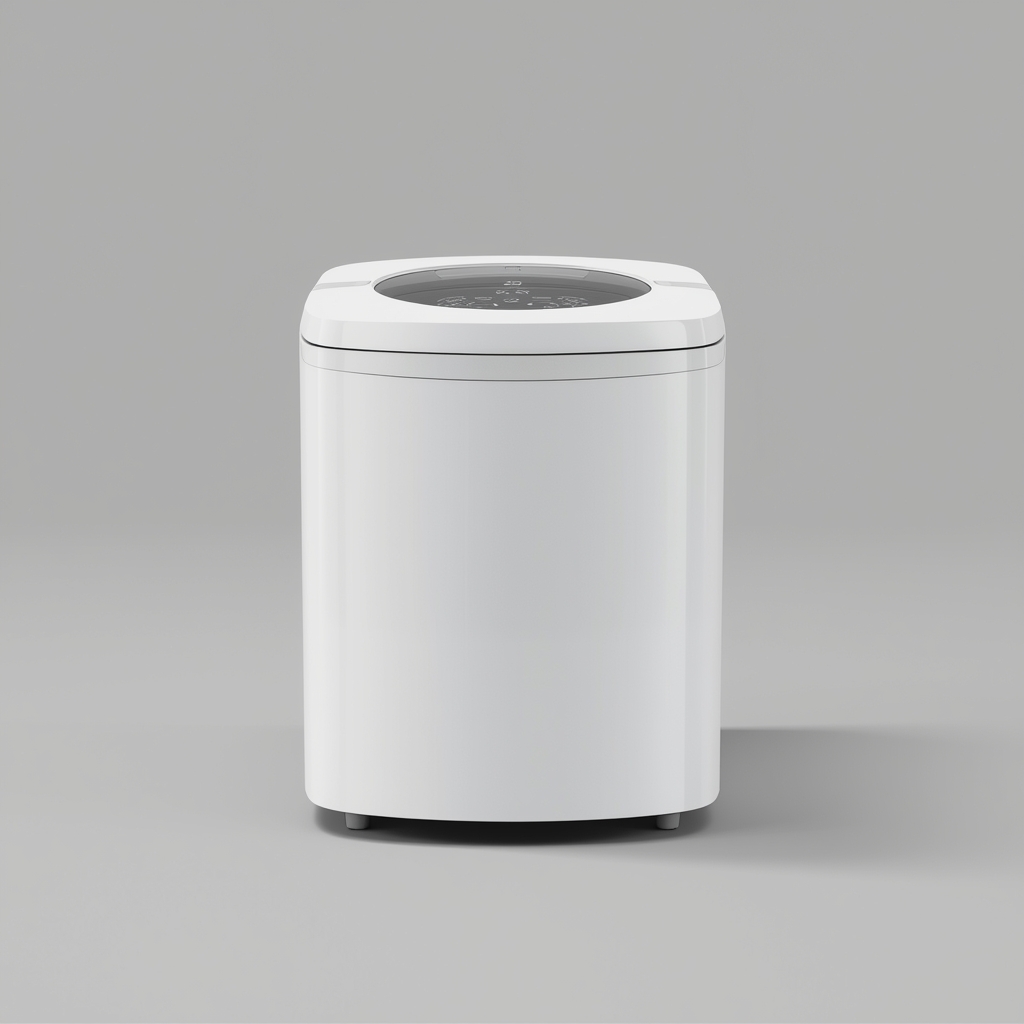
  • Can You Put Ice Makers in the Dishwasher?

    Can You Put Ice Makers in the Dishwasher?

    Can you put Ice Makers in the dishwasher?

    No, it is not recommended to put ice makers in the dishwasher.

    Why or Why Not?

    Ice makers are typically not designed to withstand the high temperatures and harsh detergents used in dishwashers. The components of an ice maker, such as the water reservoir and ice bin, may be made from materials that can warp or degrade when exposed to such conditions. Additionally, the electrical components and wiring can be damaged by water exposure.

    What Happens If You Do Anyway?

    If you place an ice maker in the dishwasher, you risk damaging its functionality. The heat and moisture can cause parts to malfunction or break. This could lead to costly repairs or the need for a complete replacement. Furthermore, any residual water left in the unit may not drain properly, leading to mold or mildew growth.

    Manufacturer Guidance (General)

    Most manufacturers advise against washing ice makers in a dishwasher. Instead, they recommend cleaning the unit by hand using mild soap and warm water. Always refer to the user manual for specific cleaning instructions tailored to your model. Following the manufacturer’s guidelines will help ensure the longevity and proper functioning of the ice maker.

    Safer Way to Clean It

    The safest way to clean an ice maker is to unplug it and disassemble any removable parts. Use a soft cloth or sponge with warm, soapy water to wipe down surfaces. Rinse thoroughly with clean water and dry completely before reassembling. For stubborn stains or mineral buildup, a mixture of vinegar and water can be effective. Always ensure that electrical components remain dry during the cleaning process.

    Frequently Asked Questions

    Q: Can I clean the ice maker with bleach?
    A: It is not recommended to use bleach as it can damage the components. Use mild soap instead.

    Q: How often should I clean my ice maker?
    A: It is advisable to clean your ice maker every 3 to 6 months, depending on usage.

    Q: Is it safe to use a dishwasher for other ice maker parts?
    A: Only non-electrical, removable parts may be dishwasher safe, but always check the manufacturer’s instructions first.

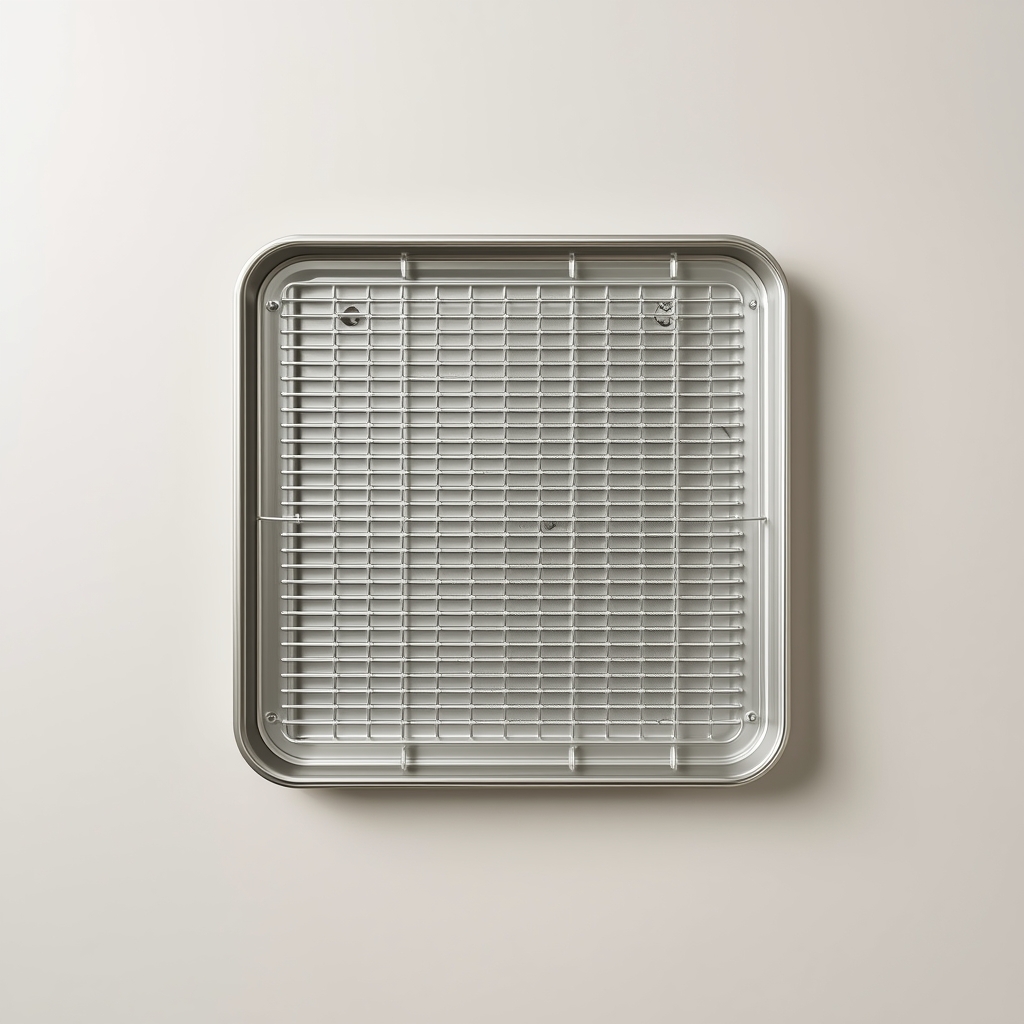
  • Can You Put Dehydrator Trays in the Dishwasher?

    Can You Put Dehydrator Trays in the Dishwasher?

    Yes, you can put dehydrator trays in the dishwasher, but it is not always recommended.

    While many dehydrator trays are made from materials that can withstand the dishwasher’s heat and detergents, some may warp or become damaged over time. It is essential to check the manufacturer’s guidelines before placing them in the dishwasher.

    What Happens If You Do Anyway?

    If you choose to wash dehydrator trays in the dishwasher, you may notice some changes. The high heat and strong detergents can cause certain types of plastic to warp or discolor. Additionally, any residue or food particles that are not removed properly may lead to unpleasant odors or flavors in future batches of dehydrated food.

    Manufacturer Guidance (General)

    Most manufacturers provide specific cleaning instructions for their dehydrator trays. Some may recommend hand washing with warm, soapy water to preserve the integrity of the material. Others may indicate that their trays are dishwasher safe. Always refer to the user manual or the manufacturer’s website for the most accurate information.

    Safer Way to Clean It

    The safest way to clean dehydrator trays is by hand. Use warm, soapy water and a soft sponge to gently scrub away any food residue. Rinse thoroughly and allow the trays to air dry completely before storing them. This method helps maintain the quality and longevity of the trays.

    Frequently Asked Questions

    Q: Can I use bleach to clean my dehydrator trays?
    A: It is not recommended to use bleach, as it can leave harmful residues that may contaminate food.

    Q: How often should I clean my dehydrator trays?
    A: Clean the trays after each use to prevent buildup and ensure optimal performance.

    Q: Are silicone dehydrator trays dishwasher safe?
    A: Most silicone trays are dishwasher safe, but always check the manufacturer’s instructions to be sure.