Author: chip@evansdesignstudio.com

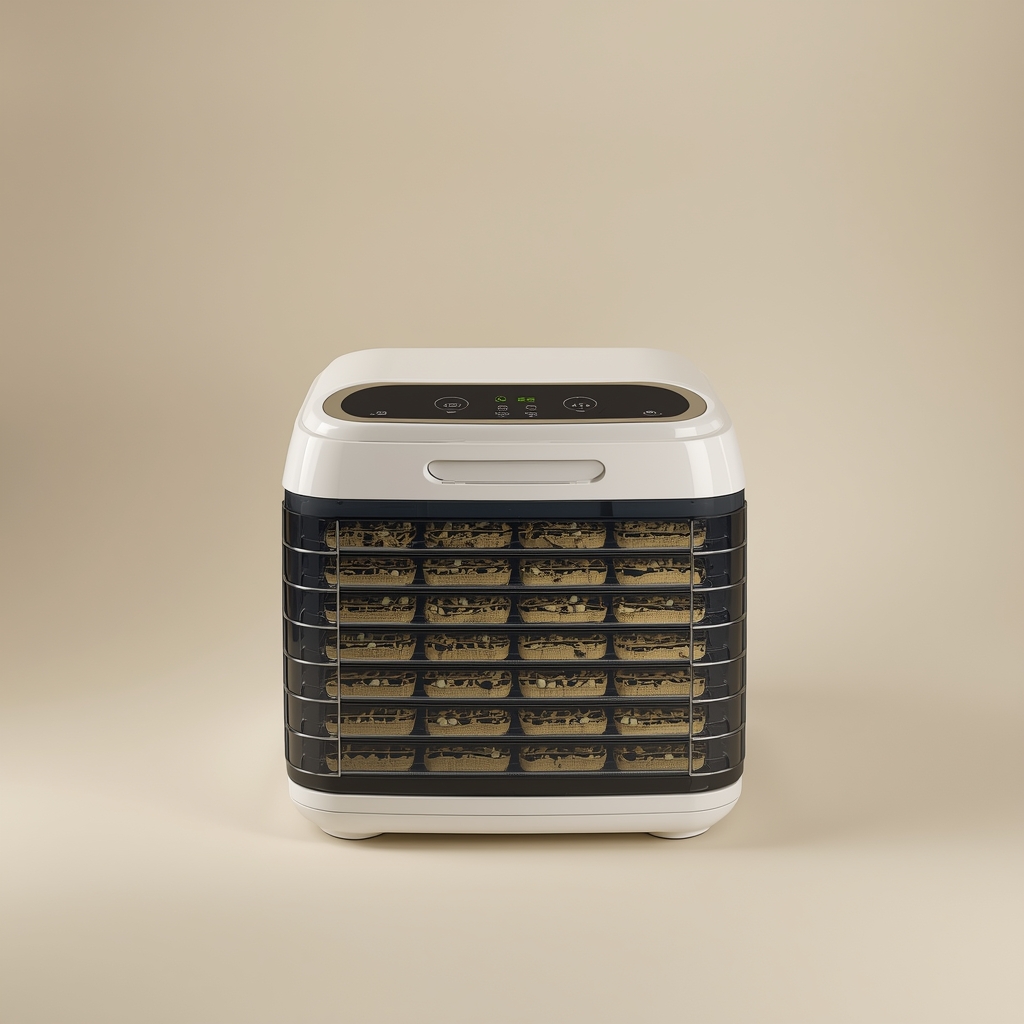
  • Can You Put Food Dehydrators in the Dishwasher?

    Can You Put Food Dehydrators in the Dishwasher?

    Yes, you can put some parts of food dehydrators in the dishwasher, but it is not recommended for the entire unit.

    Food dehydrators typically consist of multiple components, including trays, a lid, and a base. While the trays are often dishwasher-safe, the base and heating elements usually are not. It is essential to check the manufacturer’s instructions for specific cleaning recommendations.

    Why or Why Not?

    The primary reason for caution is that food dehydrators contain electrical components that can be damaged by water. The base of the dehydrator houses the motor and heating elements, which should never be submerged in water or placed in a dishwasher. On the other hand, the trays are often made from materials that can withstand the dishwasher’s cleaning cycle.

    What Happens If You Do Anyway?

    If you place the entire food dehydrator in the dishwasher, you risk damaging the electrical components. Water can seep into the motor and heating elements, leading to malfunction or complete failure of the unit. Additionally, any residual food particles may not be effectively cleaned, leading to hygiene issues.

    Manufacturer Guidance (General)

    Most manufacturers provide specific cleaning instructions in the user manual. Generally, they recommend hand washing the trays and other removable parts with warm, soapy water. Some trays may be labeled as dishwasher-safe, but it is crucial to verify this information. Always refer to the guidelines provided by the manufacturer to ensure the longevity of your food dehydrator.

    Safer Way to Clean It

    The safest way to clean a food dehydrator is to disassemble it and wash the removable parts by hand. Use warm, soapy water and a soft sponge to avoid scratching the surfaces. For stubborn stains, a mixture of vinegar and water can be effective. Wipe down the base and electrical components with a damp cloth, ensuring no water enters the motor or heating elements.

    Frequently Asked Questions

    Q: Can I wash the trays in the dishwasher?
    A: Yes, many trays are dishwasher-safe, but always check the manufacturer’s instructions first.

    Q: How often should I clean my food dehydrator?
    A: It is best to clean your food dehydrator after each use to prevent buildup and maintain hygiene.

    Q: What should I do if food sticks to the trays?
    A: Soak the trays in warm, soapy water for a while before scrubbing them gently to remove stuck food.
  • Can You Put Juicer Filters in the Dishwasher?

    Can You Put Juicer Filters in the Dishwasher?

    Yes.

    Juicer filters can generally be placed in the dishwasher, but there are important considerations to keep in mind.

    Why or Why Not?

    Many juicer filters are made from materials that are dishwasher-safe. However, some filters may be sensitive to high temperatures or harsh detergents. It is essential to check the specific material of your juicer filter before placing it in the dishwasher.

    Using the dishwasher can save time and effort compared to hand washing. However, if the filter is made from delicate materials, the dishwasher may cause damage over time, leading to reduced effectiveness.

    What Happens If You Do Anyway?

    If you place a non-dishwasher-safe filter in the dishwasher, it may warp, crack, or lose its structural integrity. This can lead to poor juicing performance and may require you to replace the filter sooner than expected.

    Additionally, if the filter becomes damaged, it could allow pulp and other residues to pass through, affecting the quality of the juice produced.

    Manufacturer Guidance (General)

    Most manufacturers provide specific cleaning instructions for their products. It is advisable to consult the user manual or the manufacturer’s website for guidance on whether the filter is dishwasher-safe.

    Some manufacturers may recommend hand washing to ensure the longevity of the filter. Following these guidelines can help maintain the filter’s performance and extend its lifespan.

    Safer Way to Clean It

    If you are unsure about placing your juicer filter in the dishwasher, hand washing is a safer alternative. Use warm water and a mild detergent to clean the filter thoroughly.

    A soft brush can help remove any stubborn residue without damaging the filter. Rinse it well to ensure no soap remains, and allow it to air dry completely before reassembling your juicer.

    Frequently Asked Questions

    Q: Can I use bleach to clean my juicer filter?
    A: It is not recommended to use bleach as it can damage the filter material.

    Q: How often should I clean my juicer filter?
    A: It is best to clean the filter after each use to prevent buildup and maintain performance.

    Q: What is the best way to remove stubborn stains from the filter?
    A: Soaking the filter in warm, soapy water for a few minutes can help loosen stubborn stains before scrubbing.

  • Can You Put Juicer Pitchers in the Dishwasher?

    Can You Put Juicer Pitchers in the Dishwasher?

    Yes, you can put juicer pitchers in the dishwasher.

    However, it is essential to check the manufacturer’s guidelines for specific instructions regarding dishwasher safety. While many juicer pitchers are designed to withstand the heat and pressure of a dishwasher, some may not be suitable for this cleaning method.

    Why or Why Not?

    Juicer pitchers are often made from materials like plastic or glass, which can generally handle dishwasher cleaning. However, certain plastics may warp or become discolored over time when exposed to high temperatures. Additionally, some juicer pitchers have components that may not be dishwasher safe, such as rubber seals or electronic parts.

    What Happens If You Do Anyway?

    If you place a non-dishwasher-safe juicer pitcher in the dishwasher, it may suffer damage. This could include warping, cracking, or loss of functionality. Furthermore, if the pitcher has any electronic components, these could be severely damaged by water exposure.

    Manufacturer Guidance (General)

    Most manufacturers provide specific cleaning instructions for their products. It is advisable to consult the user manual or the manufacturer’s website for detailed information. If the manual indicates that the pitcher is dishwasher safe, it is typically safe to place it on the top rack of the dishwasher, where the heat is less intense.

    Safer Way to Clean It

    If you are unsure about putting your juicer pitcher in the dishwasher, hand washing is a safer alternative. Use warm, soapy water and a soft sponge to clean the pitcher. This method helps preserve the integrity of the materials and ensures that all parts are thoroughly cleaned without risk of damage.

    Frequently Asked Questions

    Q: Can I wash my juicer pitcher with abrasive cleaners?

    A: No, abrasive cleaners can scratch and damage the surface of the pitcher.

    Q: Is it safe to use bleach to clean my juicer pitcher?

    A: It is not recommended to use bleach, as it can degrade the material and leave harmful residues.

    Q: How often should I clean my juicer pitcher?

    A: It is best to clean your juicer pitcher after each use to prevent residue buildup and maintain hygiene.

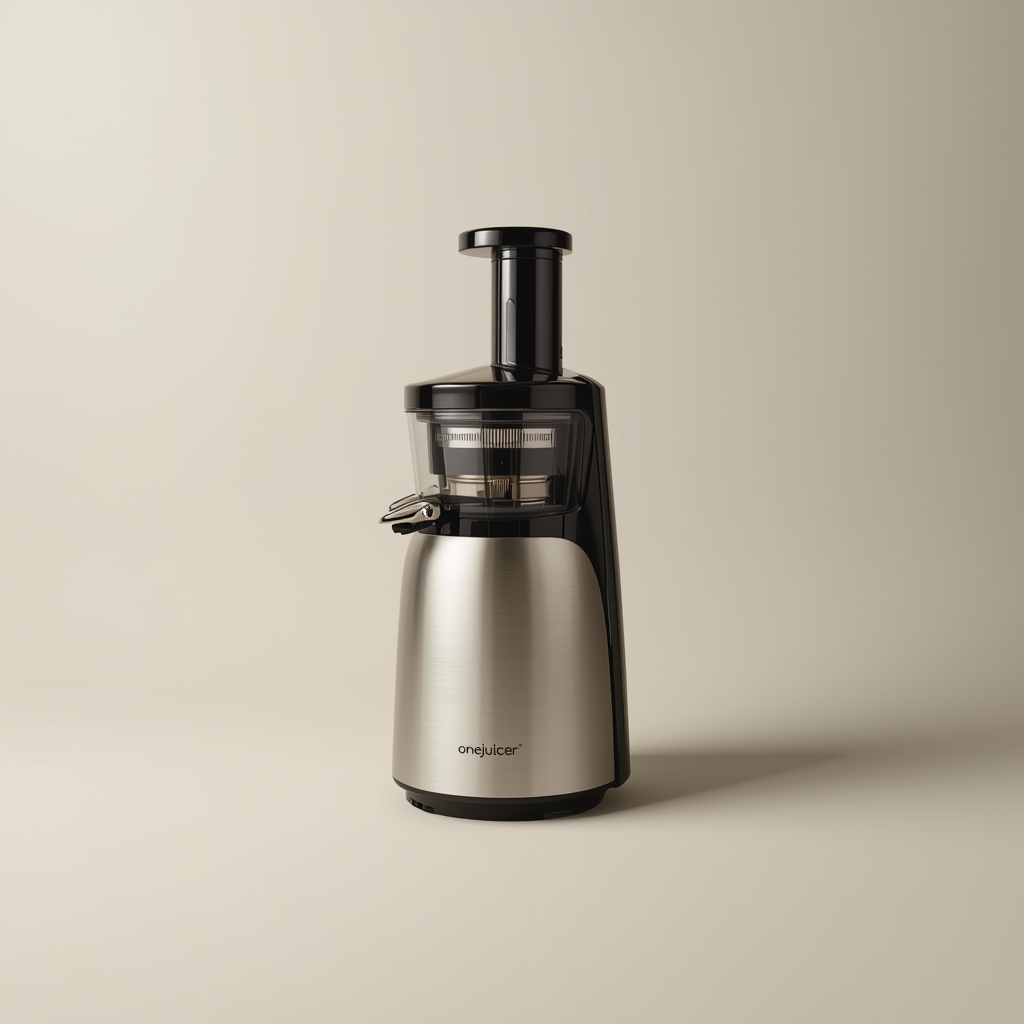
  • Can You Put Juicers in the Dishwasher?

    Can You Put Juicers in the Dishwasher?

    Yes, you can put some juicers in the dishwasher.

    However, this depends on the specific model and materials used in the juicer’s construction. Many juicers have components that are dishwasher-safe, while others may not withstand the heat or water pressure of a dishwasher.

    Why or Why Not?

    Juicers often consist of various parts, including the juicing chamber, blades, and filters. Some of these parts are made from materials that can handle the dishwasher’s environment, such as certain plastics and stainless steel. However, other components may be sensitive to high temperatures or harsh detergents, which can lead to warping, discoloration, or degradation over time.

    Additionally, the design of some juicers may not allow for proper cleaning in a dishwasher. Parts that are too small or intricately designed may not get cleaned effectively, leading to residue buildup.

    What Happens If You Do Anyway?

    If you place a non-dishwasher-safe juicer in the dishwasher, you risk damaging the components. This can result in a shorter lifespan for the juicer and may void any warranty. Parts may become warped, lose their effectiveness, or even break. Furthermore, if the juicer has electrical components, these should never be submerged in water, as this poses a safety hazard.

    Manufacturer Guidance (General)

    Most manufacturers provide specific cleaning instructions for their products. It is essential to consult the user manual for your juicer to determine which parts are dishwasher-safe. If the manual indicates that certain components can be washed in a dishwasher, it will also specify the top rack or other precautions to take.

    For parts that are not dishwasher-safe, hand washing with warm, soapy water is usually recommended. This method helps ensure that all residues are removed without risking damage to the juicer.

    Safer Way to Clean It

    The safest way to clean a juicer is to disassemble it and wash each part by hand. Use warm, soapy water and a soft sponge to avoid scratching surfaces. Pay special attention to the juicing screen and blades, as these areas can trap pulp and fibers. Rinse thoroughly and allow all parts to dry completely before reassembling.

    Some juicers also come with cleaning brushes designed to help remove stubborn residue. Using these tools can make the cleaning process more efficient and effective.

    Frequently Asked Questions

    Q: Can I wash the juicer’s motor base in the dishwasher?
    A: No, the motor base should never be submerged in water or placed in the dishwasher.

    Q: What if my juicer is labeled as dishwasher-safe?
    A: If labeled as dishwasher-safe, place the components on the top rack to minimize exposure to heat.

    Q: How often should I clean my juicer?
    A: It is recommended to clean your juicer after each use to prevent residue buildup.

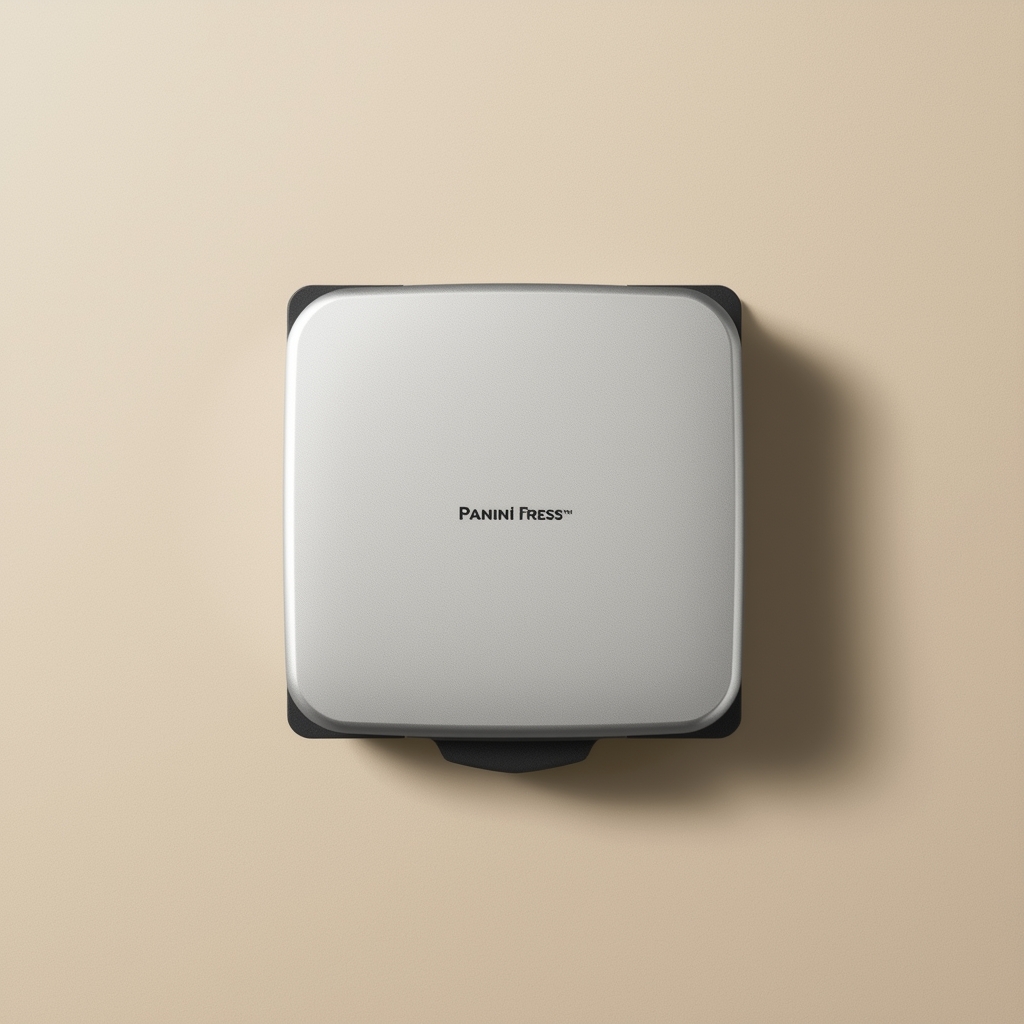
  • Can You Put Panini Presses in the Dishwasher?

    Can You Put Panini Presses in the Dishwasher?

    Why or Why Not?

    No, you generally cannot put Panini presses in the dishwasher. Most Panini presses are not designed to withstand the high temperatures and harsh detergents used in dishwashers. This can lead to damage to the electrical components and non-stick surfaces.

    What Happens If You Do Anyway?

    If you put a Panini press in the dishwasher, you risk damaging its internal wiring and heating elements. Water can seep into the electrical parts, potentially causing a short circuit. Additionally, the non-stick coating may degrade, leading to food sticking in future uses.

    Manufacturer Guidance (General)

    Most manufacturers recommend cleaning the exterior and interior surfaces of the Panini press with a damp cloth or sponge. They often advise against submerging the appliance in water or placing it in a dishwasher. Always refer to the user manual for specific cleaning instructions.

    Safer Way to Clean It

    The safest way to clean a Panini press is to unplug it and allow it to cool down. Wipe the plates with a damp cloth or sponge. For stubborn residue, use a plastic scraper or a soft brush. Avoid using abrasive materials that can scratch the non-stick surface.

    Frequently Asked Questions

    Q: Can I soak my Panini press in water?
    A: No, soaking a Panini press in water can damage its electrical components.

    Q: How often should I clean my Panini press?
    A: It is best to clean your Panini press after each use to prevent buildup.

    Q: Is it safe to use metal utensils on a Panini press?
    A: No, using metal utensils can scratch the non-stick surface and damage the appliance.

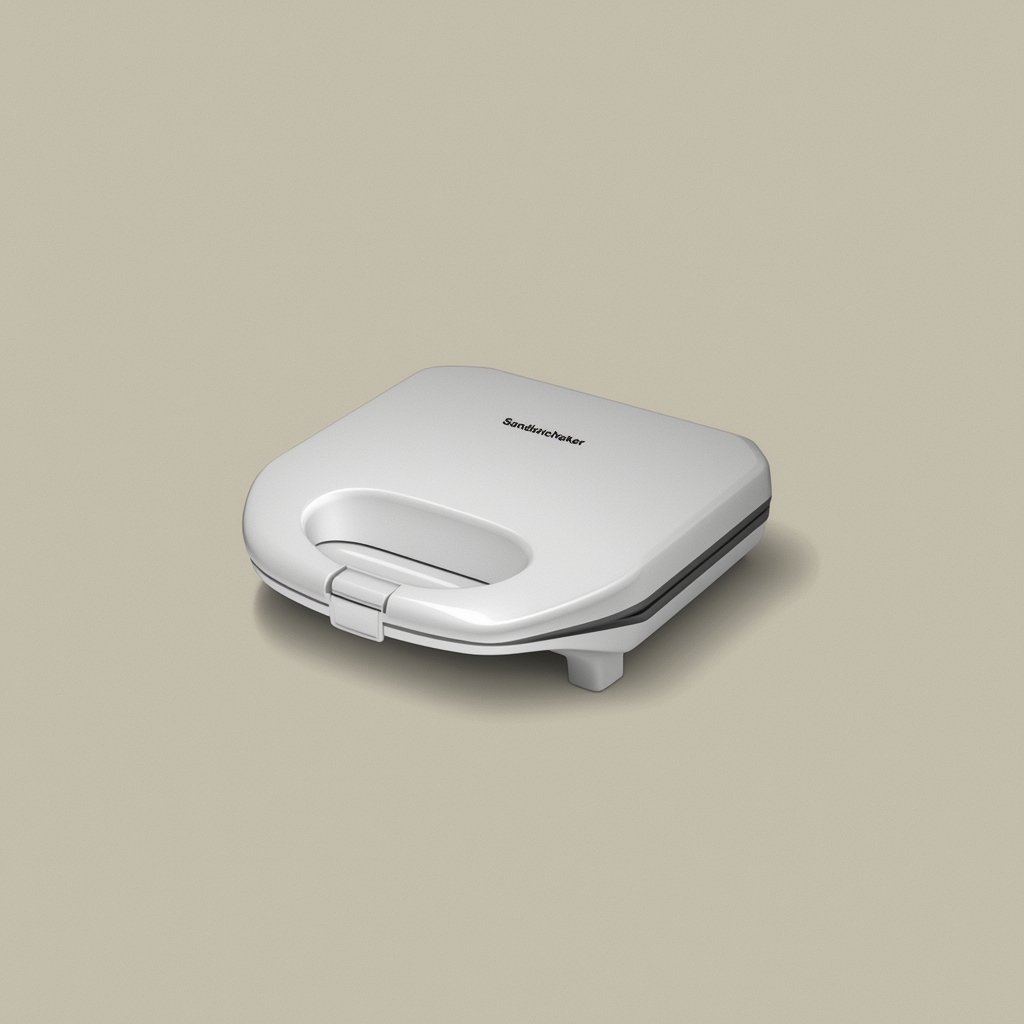
  • Can You Put Sandwich Makers in the Dishwasher?

    Can You Put Sandwich Makers in the Dishwasher?

    Why or Why Not?

    No, you generally cannot put sandwich makers in the dishwasher. Most sandwich makers are designed with electrical components that can be damaged by water. The heating elements and wiring are particularly vulnerable to moisture, which can lead to malfunction or safety hazards.

    Additionally, many sandwich makers have non-stick surfaces that may not withstand the harsh conditions of a dishwasher. The high temperatures and strong detergents used in dishwashers can degrade these coatings over time, affecting the performance of the appliance.

    What Happens If You Do Anyway?

    If you put a sandwich maker in the dishwasher, you risk damaging the appliance. Water can seep into the electrical components, potentially causing short circuits or other electrical failures. This could render the sandwich maker unusable and may void any warranty you have.

    Furthermore, the non-stick coating may peel or wear off, leading to food sticking to the plates during cooking. This not only affects the quality of your sandwiches but can also make cleaning more difficult in the future.

    Manufacturer Guidance (General)

    Most manufacturers recommend cleaning sandwich makers by hand. They often suggest using a damp cloth or sponge to wipe down the exterior and interior surfaces. Some models may have removable plates that can be washed separately, but these should be cleaned according to the specific instructions provided in the user manual.

    Always refer to the manufacturer’s guidelines for the best cleaning practices to ensure the longevity and safety of your appliance.

    Safer Way to Clean It

    The safest way to clean a sandwich maker is to unplug it and allow it to cool completely. Once cooled, use a damp cloth or sponge to wipe down the exterior and interior surfaces. For stubborn residue, a soft brush or non-abrasive scrubber can be used.

    If the plates are removable, wash them in warm, soapy water. Rinse thoroughly and dry completely before reattaching them to the sandwich maker. Avoid using harsh chemicals or abrasive materials that could damage the surfaces.

    Frequently Asked Questions

    Q: Can I soak the plates of my sandwich maker?
    A: No, soaking the plates is not recommended as it can damage the electrical components.

    Q: How often should I clean my sandwich maker?
    A: It is advisable to clean your sandwich maker after each use to prevent buildup of food residue.

    Q: Are there sandwich makers that are dishwasher safe?
    A: Some models may have dishwasher-safe components, but always check the manufacturer’s instructions before placing any parts in the dishwasher.

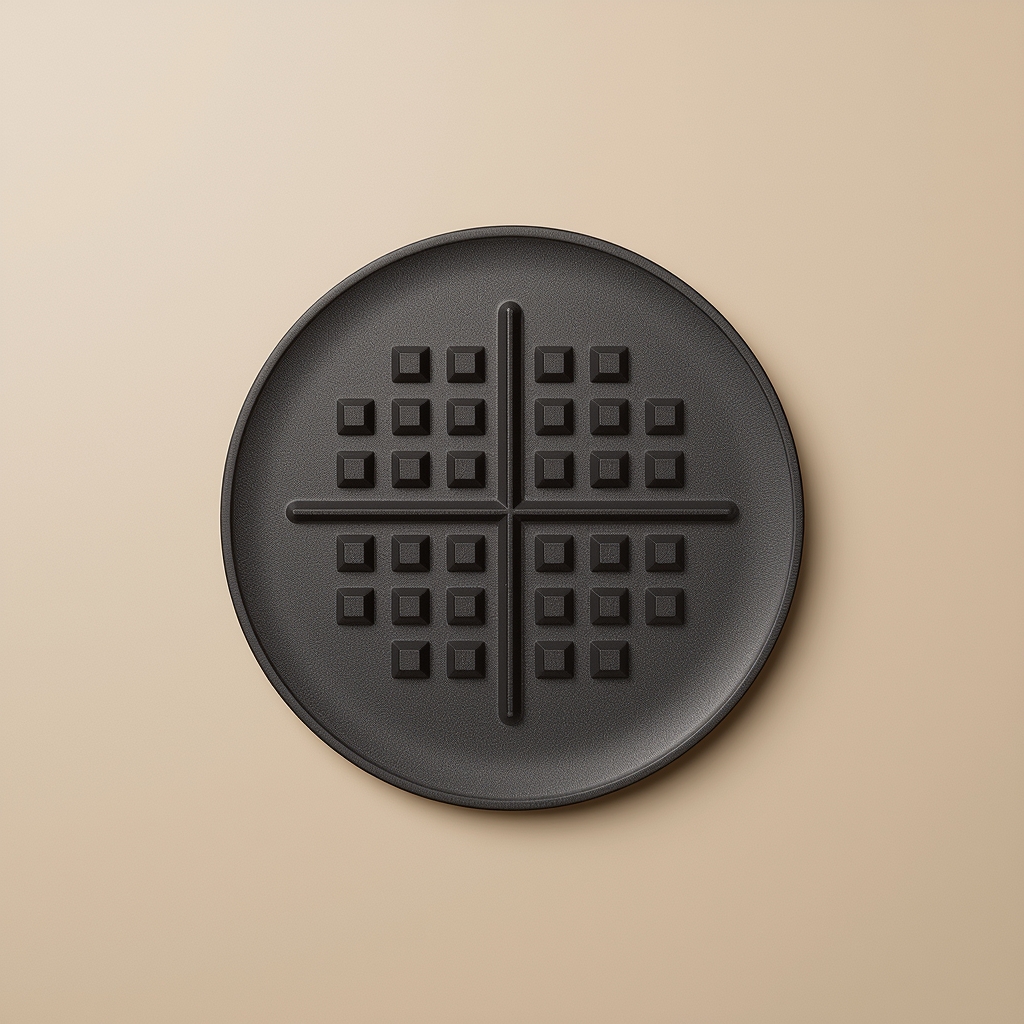
  • Can You Put Waffle Maker Plates in the Dishwasher?

    Can You Put Waffle Maker Plates in the Dishwasher?

    Yes.

    Waffle maker plates can generally be placed in the dishwasher, but there are important considerations to keep in mind.

    Why or Why Not?

    Many waffle maker plates are designed to be removable, making them easier to clean. However, not all plates are dishwasher-safe. The materials used in the construction of the plates can affect their durability and performance when exposed to high temperatures and harsh detergents.

    Some plates may warp or lose their non-stick coating if washed in a dishwasher. Therefore, it is crucial to check the manufacturer’s instructions before placing them in the dishwasher.

    What Happens If You Do Anyway?

    If you place non-dishwasher-safe waffle maker plates in the dishwasher, you risk damaging them. This could lead to warping, peeling of the non-stick surface, or even a complete failure of the plates to function properly. Such damage may not be covered under warranty, leading to additional costs for replacement.

    Manufacturer Guidance (General)

    Most manufacturers provide specific cleaning instructions for their products. Generally, they will indicate whether the plates are dishwasher-safe. If the instructions are not clear, it is advisable to contact customer service for clarification. Following the manufacturer’s guidance helps ensure the longevity and performance of your waffle maker.

    Safer Way to Clean It

    If you are unsure about washing the plates in the dishwasher, hand washing is a safer alternative. Use warm, soapy water and a soft sponge to gently clean the plates. Avoid abrasive cleaners or scrubbers that can scratch the surface. Rinse thoroughly and allow the plates to air dry completely before reassembling them in the waffle maker.

    Frequently Asked Questions

    Q: Can I use metal utensils on waffle maker plates?
    A: It is best to avoid metal utensils as they can scratch the non-stick surface.

    Q: How often should I clean my waffle maker plates?
    A: Clean the plates after each use to prevent buildup and ensure optimal performance.

    Q: What should I do if food sticks to the plates?
    A: Soak the plates in warm, soapy water for a few minutes before cleaning to help loosen any stuck food.

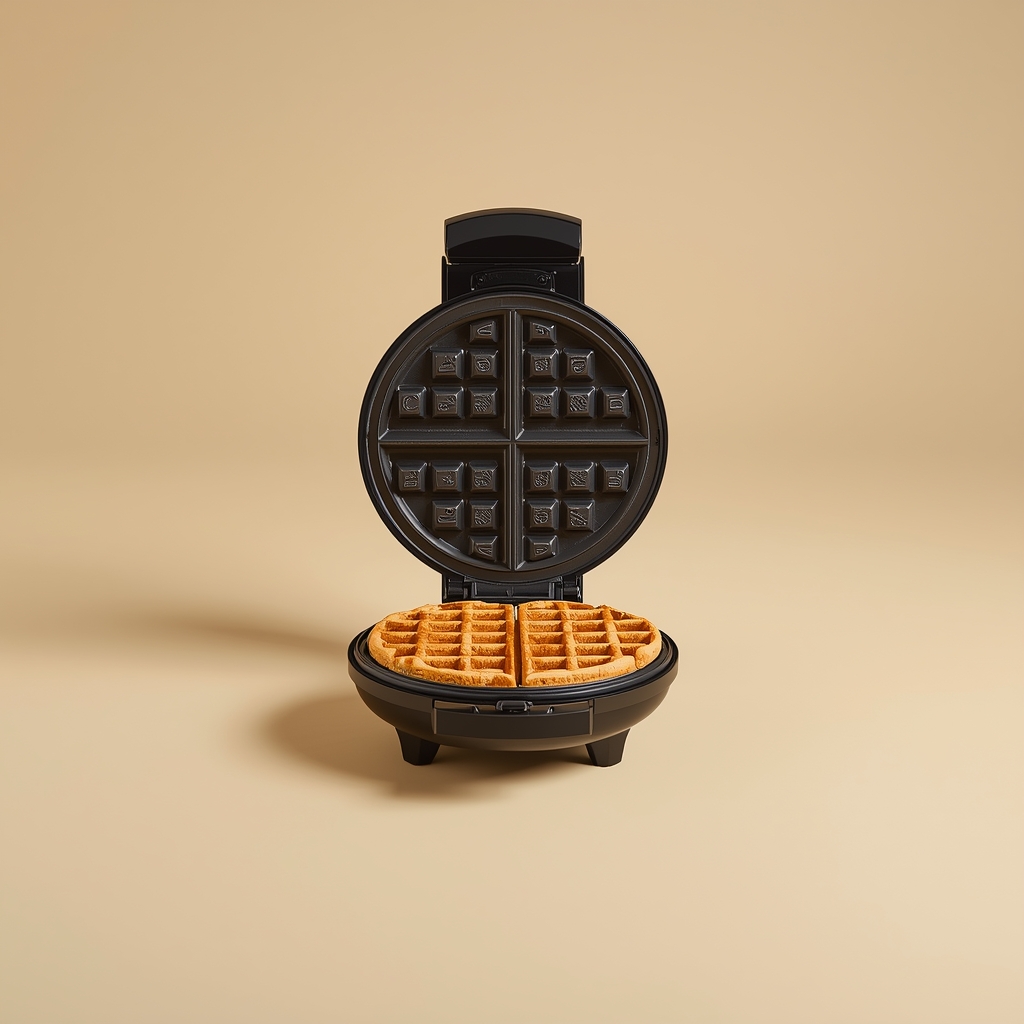
  • Can You Put Waffle Makers in the Dishwasher?

    Can You Put Waffle Makers in the Dishwasher?

    Yes, you can put some waffle makers in the dishwasher.

    However, this depends on the specific model and materials used in its construction. Many modern waffle makers have removable plates that are dishwasher safe, while others may not be designed for such cleaning methods.

    Why or Why Not?

    The primary reason some waffle makers are dishwasher safe is that they have non-stick surfaces that can withstand the high temperatures and water pressure of a dishwasher. On the other hand, models with electrical components or those made from materials that can rust or corrode should never be placed in the dishwasher. Always check the manufacturer’s instructions to determine if your specific model is dishwasher safe.

    What Happens If You Do Anyway?

    If you place a non-dishwasher safe waffle maker in the dishwasher, you risk damaging the electrical components, which could render the appliance unusable. Additionally, water may seep into areas that are not designed to be submerged, leading to potential short circuits or corrosion. This can void any warranty and lead to costly repairs or replacements.

    Manufacturer Guidance (General)

    Most manufacturers provide specific cleaning instructions for their waffle makers. It is common for them to recommend hand washing the plates and exterior with a damp cloth and mild detergent. If the plates are removable and labeled as dishwasher safe, they can typically be placed in the dishwasher. Always refer to the user manual for the best cleaning practices for your model.

    Safer Way to Clean It

    The safest way to clean a waffle maker is to unplug it and allow it to cool completely. Use a soft cloth or sponge with warm, soapy water to wipe down the exterior and interior surfaces. For stubborn residue, a plastic spatula can help dislodge stuck-on batter. Avoid using abrasive cleaners or scouring pads, as these can damage the non-stick coating.

    Frequently Asked Questions

    Q: Can I soak my waffle maker in water?
    A: No, soaking a waffle maker can damage its electrical components and lead to malfunction.

    Q: How do I know if my waffle maker is dishwasher safe?
    A: Check the user manual or look for labels on the appliance that indicate dishwasher safety.

    Q: What should I do if food gets stuck in my waffle maker?
    A: Use a plastic spatula to gently remove stuck food, and clean with a damp cloth.

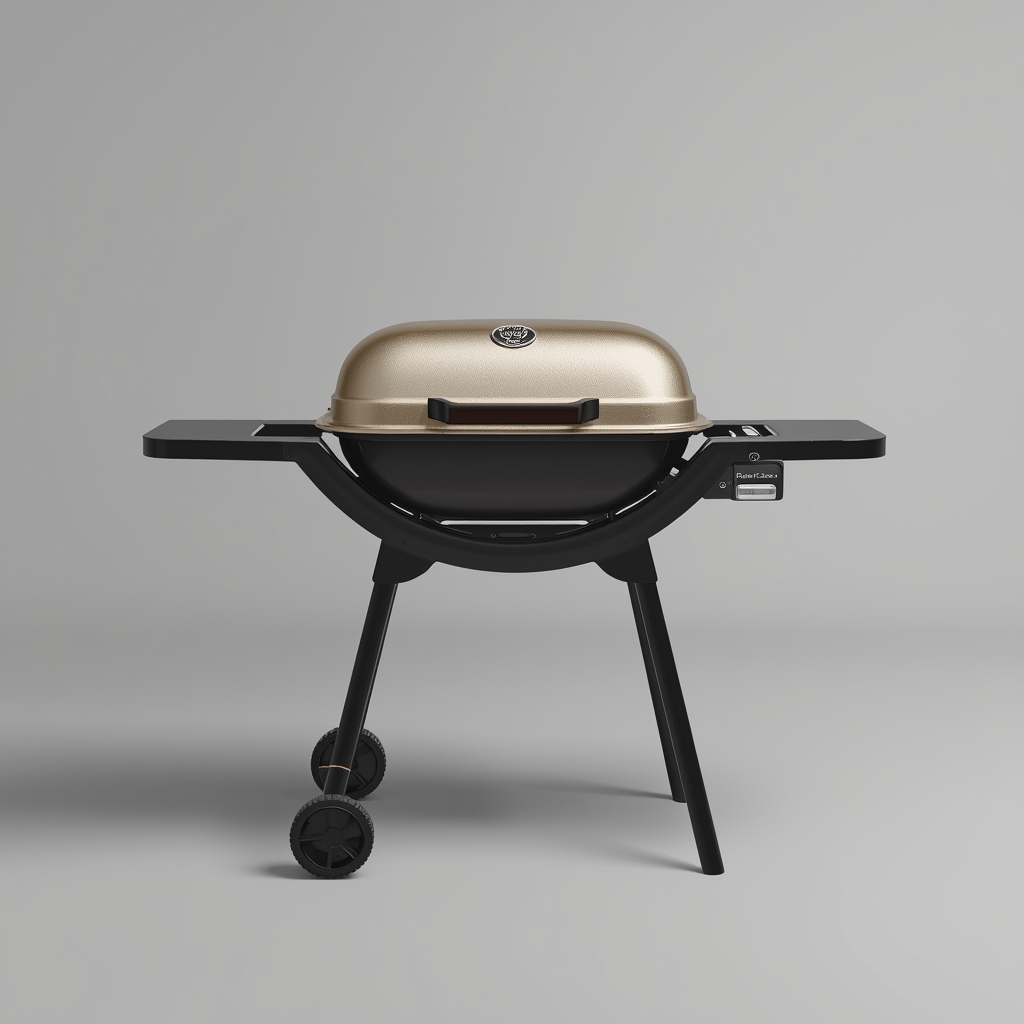
  • Can You Put Electric Grills in the Dishwasher?

    Can You Put Electric Grills in the Dishwasher?

    Can you put Electric Grills in the dishwasher?

    No, you generally should not put electric grills in the dishwasher.

    Why or Why Not?

    Electric grills often contain electrical components that can be damaged by water exposure. The heating elements, wiring, and control panels are not designed to withstand the high temperatures and moisture levels found in dishwashers. Additionally, many electric grills have non-removable parts that can trap water, leading to corrosion or malfunction.

    What Happens If You Do Anyway?

    If you put an electric grill in the dishwasher, you risk damaging its electrical components. Water can seep into the wiring and connections, potentially causing short circuits. Even if the grill appears to function after washing, the long-term effects may lead to failure or safety hazards.

    Manufacturer Guidance (General)

    Most manufacturers recommend cleaning electric grills by hand. They often provide specific cleaning instructions in the user manual. These guidelines typically suggest using a damp cloth or sponge to wipe down the grill surfaces and removable plates, if applicable. Always refer to the manufacturer’s instructions for the best cleaning practices.

    Safer Way to Clean It

    The safest way to clean an electric grill is to unplug it and allow it to cool completely. Remove any detachable plates or trays and wash them separately in warm, soapy water. For the grill body, use a damp cloth to wipe down surfaces. Avoid using abrasive cleaners or scouring pads that could scratch the non-stick coating. Ensure all parts are thoroughly dried before reassembling.

    Frequently Asked Questions

    Q: Can I soak the removable plates in water?
    A: Yes, you can soak removable plates in warm, soapy water, but ensure they are completely dry before reattaching them to the grill.

    Q: What should I use to clean the grill surface?
    A: Use a soft sponge or cloth with mild detergent to clean the grill surface. Avoid harsh chemicals.

    Q: How often should I clean my electric grill?
    A: It is best to clean your electric grill after each use to prevent buildup and maintain its performance.

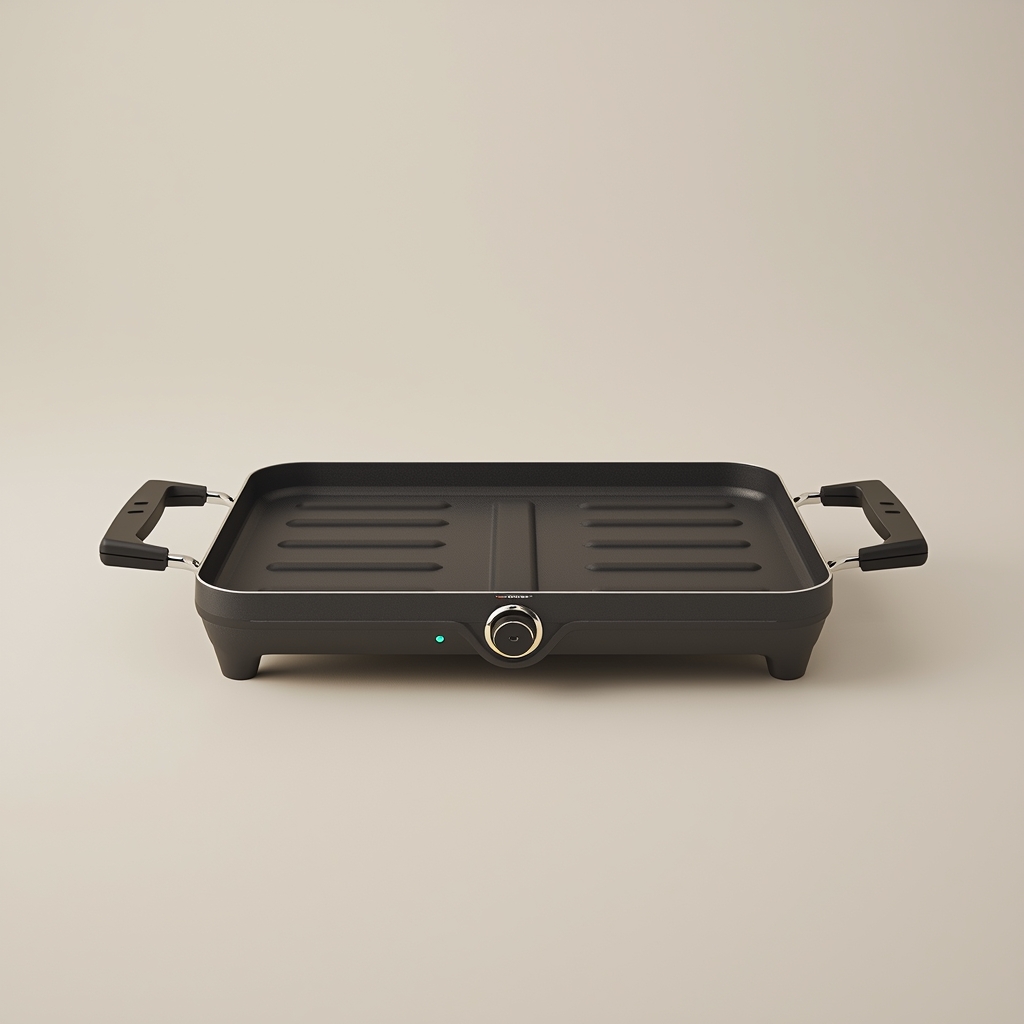
  • Can You Put Electric Griddles in the Dishwasher?

    Can You Put Electric Griddles in the Dishwasher?

    Yes, you can put electric griddles in the dishwasher, but it is not recommended.

    Electric griddles are typically designed for easy cleaning, but placing them in the dishwasher can lead to damage. The high heat and water pressure in dishwashers may affect the electrical components and non-stick surfaces.

    What Happens If You Do Anyway?

    If you decide to put an electric griddle in the dishwasher, you may experience several issues. The heating element and wiring can be exposed to water, which may cause short-circuiting or malfunction. Additionally, the non-stick coating can wear off, leading to food sticking in future uses.

    Manufacturer Guidance (General)

    Most manufacturers advise against placing electric griddles in the dishwasher. They often recommend hand washing with mild soap and a soft sponge to preserve the integrity of the appliance. Always refer to the user manual for specific cleaning instructions.

    Safer Way to Clean It

    The safest way to clean an electric griddle is to unplug it and allow it to cool down. Use a damp cloth or sponge with mild detergent to wipe down the surface. For stubborn stains, a plastic scraper can be used. Avoid abrasive materials that can scratch the surface.

    Frequently Asked Questions

    Q: Can I soak my electric griddle in water?
    A: No, soaking an electric griddle in water can damage the electrical components and is not recommended.

    Q: How often should I clean my electric griddle?
    A: It is best to clean your electric griddle after each use to prevent food buildup and maintain its performance.

    Q: Is it safe to use metal utensils on my electric griddle?
    A: It is advisable to use silicone or wooden utensils to avoid scratching the non-stick surface.