Author: chip@evansdesignstudio.com

  • Can You Put Woks in the Dishwasher?

    Can You Put Woks in the Dishwasher?

    Can You Put Woks in the Dishwasher?

    No, it is generally not recommended to put woks in the dishwasher.

    Why or Why Not?

    The primary reason for not placing woks in the dishwasher is the material they are made from. Many woks are crafted from carbon steel or cast iron, which can be damaged by the high heat and harsh detergents used in dishwashers. These materials require special care to maintain their non-stick properties and prevent rusting.

    Additionally, the shape of a wok can make it difficult for a dishwasher to clean it effectively. The curved surface may not allow water and detergent to reach all areas, leading to leftover food particles and grease.

    What Happens If You Do Anyway?

    If you choose to put a wok in the dishwasher, you may notice several negative outcomes. The high temperatures can warp the metal, and the detergents can strip away any seasoning that has built up over time. This seasoning is crucial for maintaining the wok’s non-stick surface and preventing rust.

    Furthermore, if the wok is made from a material that is not dishwasher-safe, it may develop pitting or discoloration. These changes can affect the performance of the wok and its longevity.

    Manufacturer Guidance (General)

    Most manufacturers recommend hand washing woks with warm water and a gentle sponge. Avoid using abrasive cleaners or steel wool, as these can scratch the surface. If necessary, a small amount of mild soap can be used, but it is often advised to rinse thoroughly to remove any soap residue.

    For woks that are seasoned, it is essential to dry them immediately after washing to prevent rust. Some manufacturers may also suggest applying a thin layer of oil after cleaning to maintain the seasoning.

    Safer Way to Clean It

    The safest way to clean a wok is to use warm water and a soft sponge or cloth. Scrape off any food residues with a wooden spatula or a non-abrasive scrubber. If there are stubborn spots, soaking the wok in warm water for a short period can help loosen the debris.

    After cleaning, dry the wok thoroughly with a towel and place it on low heat for a few minutes to ensure all moisture evaporates. This practice helps prevent rust and maintains the wok’s seasoning.

    Frequently Asked Questions

    Q: Can I use soap to clean my wok?
    A: It is generally advised to avoid soap, but a small amount can be used if necessary. Rinse thoroughly afterward.

    Q: How do I season my wok?
    A: To season a wok, heat it until it is hot, apply a thin layer of oil, and let it smoke for a few minutes. Wipe off excess oil and let it cool.

    Q: What should I do if my wok gets rusty?
    A: If your wok is rusty, scrub the rust off with a non-abrasive scrubber, wash it, dry it thoroughly, and re-season it.
  • Can You Put Skillets in the Dishwasher?

    Can You Put Skillets in the Dishwasher?

    Yes, you can put some skillets in the dishwasher.

    However, this is not universally applicable to all skillets. The material and coating of the skillet play a significant role in determining whether it is dishwasher safe.

    Why or Why Not?

    Many skillets made from stainless steel or cast iron are not recommended for dishwasher use. The high heat and harsh detergents can damage the surface, leading to rust or deterioration. Non-stick skillets may be labeled as dishwasher safe, but frequent washing in a dishwasher can still wear down the non-stick coating over time.

    What Happens If You Do Anyway?

    If you place a non-dishwasher-safe skillet in the dishwasher, you may notice a decline in its performance. For example, a non-stick surface may become scratched or lose its effectiveness. Cast iron skillets can rust if they are not dried properly after washing. Additionally, the intense heat and moisture can warp some skillets, affecting their cooking ability.

    Manufacturer Guidance (General)

    Most manufacturers provide specific cleaning instructions for their skillets. It is essential to check the care guidelines that come with your skillet. If the manufacturer states that the skillet is dishwasher safe, it is generally safe to use the dishwasher. If not, hand washing is the recommended method.

    Safer Way to Clean It

    The safest way to clean a skillet is to hand wash it with warm soapy water. Use a soft sponge or cloth to avoid scratching the surface. For stubborn food residues, soaking the skillet for a few minutes can help loosen the debris. After washing, ensure the skillet is thoroughly dried to prevent rusting, especially for cast iron.

    Frequently Asked Questions

    Q: Can I put my non-stick skillet in the dishwasher?
    A: It depends on the manufacturer’s instructions. Some non-stick skillets are dishwasher safe, but frequent washing can damage the coating.

    Q: How should I clean my cast iron skillet?
    A: Hand wash with warm water and a gentle sponge. Avoid soap and never put it in the dishwasher.

    Q: What is the best way to maintain my stainless steel skillet?
    A: Hand wash with warm soapy water and dry immediately to prevent water spots and maintain its shine.

  • Can You Put Sauté Pans in the Dishwasher?

    Can You Put Sauté Pans in the Dishwasher?

    Can you put Sauté Pans in the dishwasher?

    No, it is generally not recommended to put sauté pans in the dishwasher.

    Why or Why Not?

    Sauté pans are often made from materials that can be damaged by the high heat and harsh detergents used in dishwashers. Non-stick coatings can wear off, and metal pans can develop spots or discoloration. Additionally, the intense water pressure can cause warping or bending.

    What Happens If You Do Anyway?

    If you choose to put a sauté pan in the dishwasher, you may notice a decline in its performance over time. Non-stick surfaces may lose their effectiveness, making food stick more easily. Metal pans may also lose their shine and develop rust or corrosion, especially if they are not completely dried after washing.

    Manufacturer Guidance (General)

    Most manufacturers recommend hand washing sauté pans with warm, soapy water. This method helps preserve the integrity of the materials and extends the life of the pan. Always refer to the care instructions provided by the manufacturer for specific guidance on cleaning and maintenance.

    Safer Way to Clean It

    The safest way to clean a sauté pan is to use a soft sponge or cloth with warm, soapy water. Avoid abrasive cleaners or scouring pads, as these can scratch the surface. Rinse thoroughly and dry immediately to prevent water spots or rust.

    Frequently Asked Questions

    Q: Can I use a dishwasher for stainless steel sauté pans?
    A: While some stainless steel pans may be dishwasher safe, it is still advisable to hand wash them to maintain their appearance and performance.

    Q: What is the best way to remove stuck-on food from a sauté pan?
    A: Soaking the pan in warm, soapy water for a few minutes can help loosen stuck-on food. Use a non-abrasive sponge to gently scrub the surface.

    Q: Are there any sauté pans that are dishwasher safe?
    A: Some sauté pans are labeled as dishwasher safe, but it is essential to check the manufacturer’s instructions before placing them in the dishwasher.

  • Can You Put Roasting Pans in the Dishwasher?

    Can You Put Roasting Pans in the Dishwasher?

    Can you put Roasting Pans in the dishwasher?

    No, it is generally not recommended to put roasting pans in the dishwasher.

    Why or Why Not?

    Roasting pans are often made from materials such as aluminum, stainless steel, or non-stick coatings. These materials can be sensitive to the high heat and harsh detergents used in dishwashers. Over time, this can lead to warping, discoloration, or damage to the non-stick surface.

    Additionally, the size and shape of roasting pans can make them difficult to fit in a dishwasher. They may not get cleaned properly if they do not have enough space, leading to leftover food particles and grease.

    What Happens If You Do Anyway?

    If you choose to put a roasting pan in the dishwasher, you may notice several negative outcomes. The high temperatures can cause warping, especially in thinner pans. Non-stick surfaces may lose their effectiveness, leading to food sticking in future uses.

    Moreover, the harsh detergents can cause pitting or scratching on the surface, which can compromise the integrity of the pan. This can lead to a shorter lifespan for your cookware.

    Manufacturer Guidance (General)

    Most manufacturers advise against placing roasting pans in the dishwasher. It is important to check the care instructions that come with your specific roasting pan. Many recommend hand washing with warm, soapy water and a soft sponge to maintain the quality and longevity of the pan.

    Following the manufacturer’s guidance can help ensure that your roasting pan remains in good condition for years to come.

    Safer Way to Clean It

    The safest way to clean a roasting pan is by hand. Start by soaking the pan in warm, soapy water for a few minutes to loosen any stuck-on food. Use a non-abrasive sponge or cloth to scrub the surface gently.

    For tough stains or burnt-on residue, a paste of baking soda and water can be effective. Apply the paste, let it sit for a while, and then scrub gently. Rinse thoroughly and dry the pan to prevent water spots.

    Frequently Asked Questions

    Q: Can I use a dishwasher-safe roasting pan?
    A: Yes, if the manufacturer specifies that the roasting pan is dishwasher-safe, it can be placed in the dishwasher.

    Q: How can I prevent food from sticking to my roasting pan?
    A: Using non-stick spray or lining the pan with parchment paper can help prevent sticking.

    Q: What is the best way to remove burnt-on food from a roasting pan?
    A: Soaking the pan in warm, soapy water and using a baking soda paste can effectively remove burnt-on food.

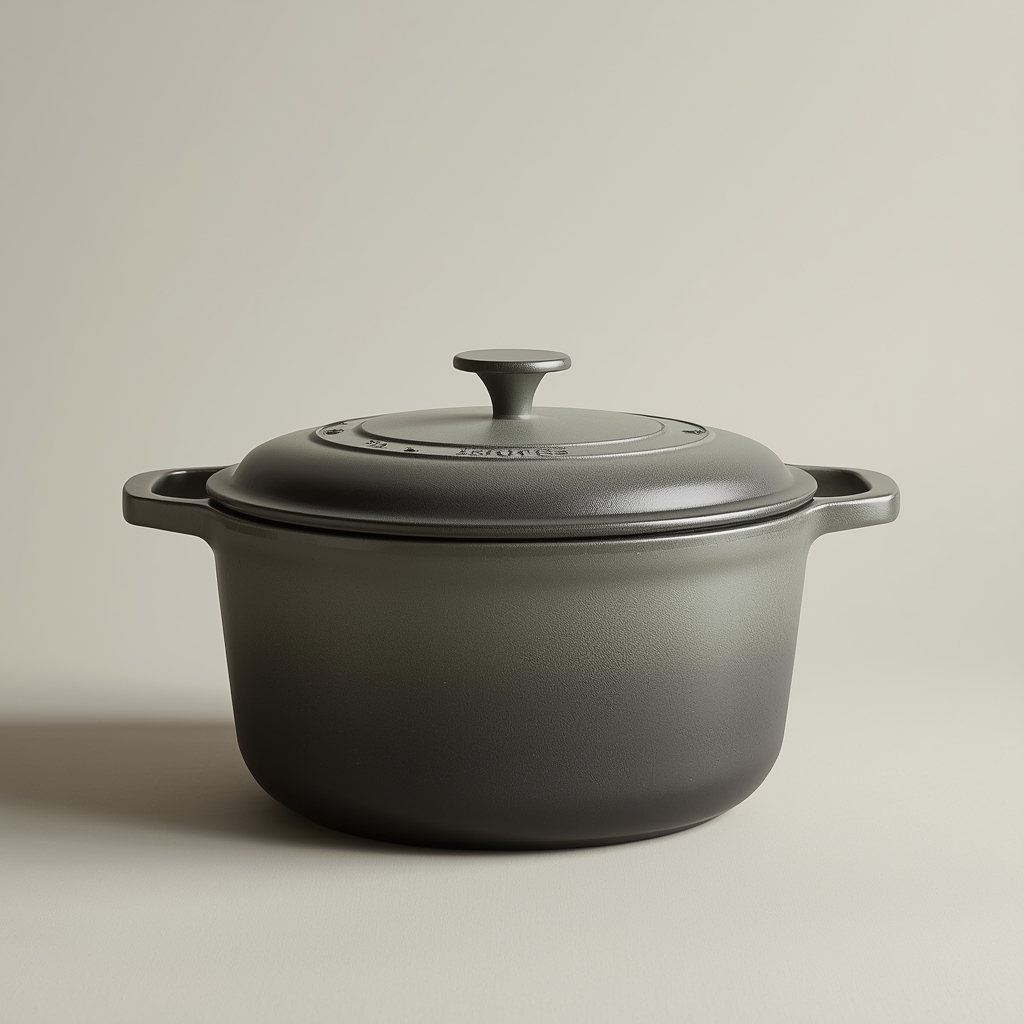
  • Can You Put Dutch Ovens in the Dishwasher?

    Can You Put Dutch Ovens in the Dishwasher?

    Can You Put Dutch Ovens in the Dishwasher?

    No, it is generally not recommended to put Dutch ovens in the dishwasher.

    Why or Why Not?

    Dishwashers use high temperatures and harsh detergents that can damage the surface of Dutch ovens. Many Dutch ovens are made from cast iron or enamel-coated materials, which can be adversely affected by the intense cleaning process. The heat and moisture can lead to rusting or chipping of the enamel, compromising the cookware’s integrity and performance.

    What Happens If You Do Anyway?

    If you choose to wash a Dutch oven in the dishwasher, you may notice several negative effects. The enamel coating can become dull or scratched, and the cast iron may develop rust spots. Additionally, food residues may not be completely removed, leading to lingering odors or flavors in future dishes. Over time, repeated dishwasher use can significantly shorten the lifespan of the cookware.

    Manufacturer Guidance (General)

    Most manufacturers advise against placing Dutch ovens in the dishwasher. They typically recommend hand washing with mild soap and warm water. This method helps preserve the cookware’s finish and ensures it remains in good condition for years. Always refer to the specific care instructions provided by the manufacturer for the best results.

    Safer Way to Clean It

    The safest way to clean a Dutch oven is to allow it to cool after use, then wash it by hand. Use a soft sponge or cloth with mild dish soap and warm water. For stubborn food residues, soak the pot for a few minutes before scrubbing. Avoid using abrasive cleaners or steel wool, as these can scratch the surface. After washing, dry it thoroughly to prevent rusting, especially if it is made of cast iron.

    Frequently Asked Questions

    Q: Can I use a dishwasher-safe Dutch oven?
    A: Some Dutch ovens are labeled as dishwasher-safe, but it is still advisable to hand wash them to prolong their lifespan.

    Q: How do I remove tough stains from my Dutch oven?
    A: For tough stains, soak the pot in warm water and baking soda, then scrub gently with a non-abrasive sponge.

    Q: Is it safe to use metal utensils in a Dutch oven?
    A: It is best to avoid metal utensils as they can scratch the enamel surface; opt for wooden or silicone utensils instead.

  • Can You Put Stock Pots in the Dishwasher?

    Can You Put Stock Pots in the Dishwasher?

    Yes, you can put some stock pots in the dishwasher.

    However, this depends on the material and construction of the stock pot. Many stock pots are made from stainless steel, aluminum, or non-stick materials, which may be dishwasher safe. Always check the manufacturer’s guidelines to ensure safe cleaning.

    Why or Why Not?

    Stock pots made from stainless steel are generally safe for the dishwasher. They can withstand high temperatures and are resistant to rust and corrosion. On the other hand, non-stick stock pots may have coatings that can degrade over time in the dishwasher, especially if exposed to harsh detergents or high heat.

    Aluminum stock pots can also be problematic. While some aluminum pots are treated to be dishwasher safe, others may tarnish or discolor when washed in a dishwasher. Additionally, any stock pot with wooden or plastic handles should not be placed in the dishwasher, as these materials can warp or melt.

    What Happens If You Do Anyway?

    If you place a non-dishwasher safe stock pot in the dishwasher, you may notice a decline in its performance. Non-stick coatings can peel or scratch, leading to food sticking and potential health concerns. For aluminum pots, you might see discoloration or pitting, which can affect the pot’s appearance and cooking efficiency.

    Furthermore, stock pots with plastic or wooden components may suffer damage, leading to a compromised structure and usability. In some cases, the pot may become warped, making it difficult to use on the stovetop.

    Manufacturer Guidance (General)

    Most manufacturers provide specific cleaning instructions for their cookware. It is essential to refer to these guidelines before placing any stock pot in the dishwasher. Some brands may indicate that their products are dishwasher safe, while others may recommend hand washing to preserve the pot’s integrity.

    In general, if the stock pot has a non-stick surface, it is advisable to hand wash it to prolong its lifespan. Always avoid using abrasive cleaners or scouring pads, as these can damage the surface.

    Safer Way to Clean It

    The safest way to clean a stock pot is by hand washing it with warm, soapy water. Use a soft sponge or cloth to avoid scratching the surface. Rinse thoroughly and dry with a soft towel to prevent water spots.

    If food is stuck, soak the pot in warm, soapy water for a few minutes before scrubbing. For tough stains, a mixture of baking soda and water can be effective. This method ensures that the pot remains in good condition and extends its lifespan.

    Frequently Asked Questions

    Q: Can I wash my non-stick stock pot in the dishwasher?
    A: It is not recommended, as the dishwasher can damage the non-stick coating over time.

    Q: What is the best way to clean a stainless steel stock pot?
    A: Hand washing with warm, soapy water and a soft sponge is the best method.

    Q: Are aluminum stock pots dishwasher safe?
    A: Some aluminum stock pots are dishwasher safe, but many can discolor or tarnish, so check the manufacturer’s guidelines.

  • Can You Put Saucepans in the Dishwasher?

    Can You Put Saucepans in the Dishwasher?

    Yes.

    Most modern saucepans are dishwasher safe, but it is essential to check the manufacturer’s guidelines for specific care instructions.

    Why or Why Not?

    Dishwashers use high temperatures and strong detergents that can be harsh on certain materials. Stainless steel and non-stick saucepans are often designed to withstand these conditions. However, some materials, such as aluminum or copper, may tarnish or discolor when exposed to dishwasher conditions.

    Additionally, the high-pressure water jets in dishwashers can cause damage to delicate handles or coatings. If a saucepan has any non-stick coating, it is crucial to ensure that it is labeled as dishwasher safe to avoid deterioration.

    What Happens If You Do Anyway?

    If you place a saucepan that is not dishwasher safe in the dishwasher, you may experience several issues. Non-stick coatings can peel or become damaged, leading to food sticking and making the pan less effective. Aluminum pans may develop a dull appearance or discoloration.

    Furthermore, the high heat and water pressure can warp or bend the shape of the saucepan, affecting its performance. In some cases, the handles may loosen or break, resulting in a safety hazard when cooking.

    Manufacturer Guidance (General)

    Most manufacturers provide specific care instructions for their cookware. It is advisable to refer to the care label or product manual that comes with the saucepan. If the label indicates that the saucepan is dishwasher safe, it can be placed in the dishwasher without concern.

    For those that are unsure, a general rule is to hand wash any cookware that is made from materials like cast iron, copper, or those with intricate designs. This helps maintain their appearance and functionality over time.

    Safer Way to Clean It

    The safest way to clean a saucepan, especially if it is not labeled as dishwasher safe, is to hand wash it. Use warm, soapy water and a soft sponge to avoid scratching the surface. For stubborn stains or burnt food, soaking the pan in warm water can help loosen debris before scrubbing.

    Using a gentle cleaner specifically designed for cookware can also help maintain the quality of the saucepan. Always dry the pan thoroughly after washing to prevent water spots or rusting.

    Frequently Asked Questions

    Q: Can I wash all types of saucepans in the dishwasher?
    A: No, not all types are dishwasher safe. Always check the manufacturer’s guidelines.

    Q: What should I do if my saucepan is not dishwasher safe?
    A: Hand wash it using warm, soapy water and a soft sponge.

    Q: How can I tell if my saucepan is dishwasher safe?
    A: Look for a label or check the product manual for care instructions.

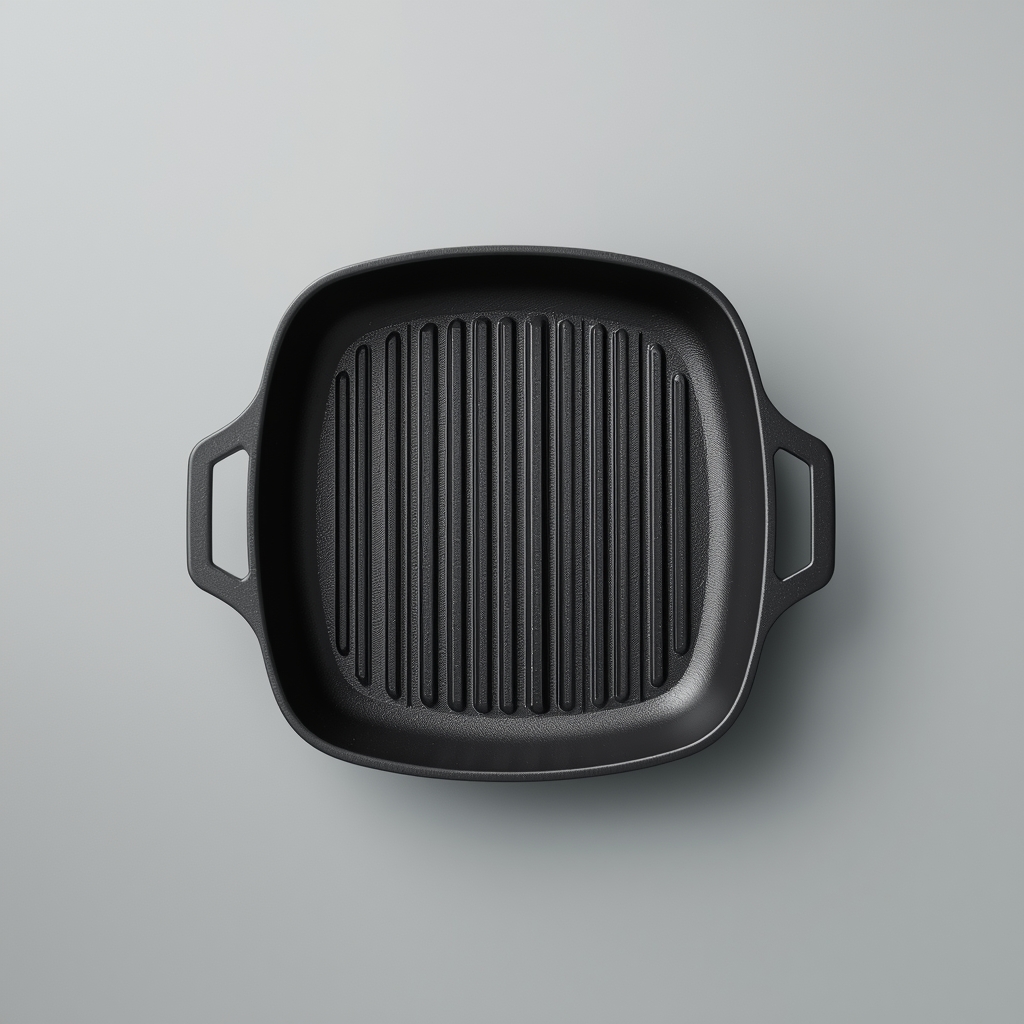
  • Can You Put Grill Pans in the Dishwasher?

    Can You Put Grill Pans in the Dishwasher?

    Can you put Grill Pans in the dishwasher?

    No, it is generally not recommended to put grill pans in the dishwasher.

    Why or Why Not?

    Grill pans are often made from materials like cast iron, non-stick coatings, or stainless steel. Each of these materials has specific care instructions. Dishwashing can lead to damage, such as stripping non-stick coatings or causing rust in cast iron pans.

    Additionally, the high heat and harsh detergents used in dishwashers can degrade the quality of the pan over time. This can affect the cooking performance and longevity of the grill pan.

    What Happens If You Do Anyway?

    If you choose to put a grill pan in the dishwasher, you may notice several negative outcomes. Non-stick surfaces may lose their effectiveness, leading to food sticking during cooking. Cast iron pans can develop rust, which compromises their seasoning and cooking capabilities.

    Furthermore, the dishwasher’s environment can cause warping or other structural damage, especially in pans made from thinner materials. This can result in uneven cooking and a shorter lifespan for the pan.

    Manufacturer Guidance (General)

    Most manufacturers recommend hand washing grill pans to maintain their integrity. They often suggest using warm, soapy water and a soft sponge to clean the surface. Avoid abrasive cleaners or scouring pads that can scratch or damage the pan.

    For cast iron grill pans, it is crucial to dry them immediately after washing to prevent rust. Some manufacturers also recommend reapplying a thin layer of oil after cleaning to maintain the seasoning.

    Safer Way to Clean It

    The safest way to clean a grill pan is to allow it to cool after use. Once cooled, use a spatula to remove any food residue. Rinse the pan with warm water and use a soft sponge to scrub away any stuck-on bits.

    If necessary, you can soak the pan briefly in warm, soapy water. Avoid leaving it submerged for long periods, especially if it is cast iron. After cleaning, dry the pan thoroughly and apply a light coat of oil if it is cast iron.

    Frequently Asked Questions

    Q: Can I use metal utensils on my grill pan?
    A: It is best to avoid metal utensils on non-stick grill pans to prevent scratching. Use silicone or wooden utensils instead.

    Q: How often should I season my cast iron grill pan?
    A: Seasoning should be done whenever the surface appears dull or after cleaning to maintain its non-stick properties.

    Q: Is it safe to use my grill pan in the oven?
    A: Most grill pans are oven-safe, but always check the manufacturer’s guidelines for specific temperature limits.

  • Can You Put Carbon Steel Pans in the Dishwasher?

    Can You Put Carbon Steel Pans in the Dishwasher?

    Can you put Carbon Steel Pans in the dishwasher?

    No, you should not put carbon steel pans in the dishwasher.

    Why or Why Not?

    Carbon steel pans are not designed for dishwasher use. The high heat and harsh detergents in dishwashers can strip away the seasoning that protects the pan. This seasoning is essential for preventing rust and maintaining the non-stick surface of the pan.

    Additionally, the moisture in a dishwasher can lead to rust formation if the pan is not dried immediately after washing. Unlike stainless steel or non-stick cookware, carbon steel requires special care to maintain its performance and longevity.

    What Happens If You Do Anyway?

    If you put a carbon steel pan in the dishwasher, you risk damaging its surface. The seasoning may be removed, exposing the bare metal to moisture and air. This can lead to rust and a loss of the pan’s non-stick properties.

    Furthermore, the pan may develop discoloration or pitting, which can affect its cooking performance. Restoring a damaged carbon steel pan can be time-consuming and may require re-seasoning, which involves cleaning and applying oil to the surface.

    Manufacturer Guidance (General)

    Most manufacturers recommend hand washing carbon steel pans with warm water and a mild detergent. They advise against using abrasive sponges or steel wool, as these can scratch the surface and remove the seasoning.

    It is also suggested to dry the pan immediately after washing to prevent moisture accumulation. Some manufacturers may provide specific instructions, so it is always best to refer to the care guidelines that come with your pan.

    Safer Way to Clean It

    The safest way to clean a carbon steel pan is to rinse it with warm water and use a soft sponge or cloth to remove food residues. For stubborn stains, you can use a small amount of mild detergent.

    After cleaning, dry the pan thoroughly with a towel. To maintain the seasoning, you can apply a thin layer of cooking oil to the surface before storing it. This helps protect the pan from moisture and keeps it in good condition.

    Frequently Asked Questions

    Q: Can I use soap on my carbon steel pan?
    A: It is best to avoid soap, but a small amount of mild detergent can be used if necessary.

    Q: How do I re-season my carbon steel pan?
    A: Clean the pan thoroughly, dry it, and apply a thin layer of oil. Heat it on the stove until the oil begins to smoke, then let it cool.

    Q: Is it safe to use metal utensils on carbon steel pans?
    A: Yes, metal utensils can be used, but avoid using them aggressively to prevent scratching the surface.

  • Can You Put Nonstick Frying Pans in the Dishwasher?

    Can You Put Nonstick Frying Pans in the Dishwasher?

    Yes.

    Nonstick frying pans can be placed in the dishwasher, but it is generally not recommended. The high heat and harsh detergents used in dishwashers can damage the nonstick coating over time.

    Why or Why Not?

    The primary concern with putting nonstick frying pans in the dishwasher is the potential for the nonstick surface to degrade. The combination of high temperatures and abrasive cleaning agents can lead to scratches and peeling of the coating. This not only affects the performance of the pan but can also pose health risks if the coating begins to flake off into food.

    What Happens If You Do Anyway?

    If you choose to wash your nonstick frying pan in the dishwasher, you may notice a decrease in its nonstick properties over time. The pan may become more prone to sticking, and the coating may wear away faster than if it were hand washed. Additionally, repeated dishwasher use can lead to discoloration and damage to the handle or other components of the pan.

    Manufacturer Guidance (General)

    Most manufacturers recommend hand washing nonstick frying pans with mild soap and a soft sponge. This method helps preserve the integrity of the nonstick coating. Always refer to the care instructions provided by the manufacturer for specific guidance on cleaning and maintenance.

    Safer Way to Clean It

    The safest way to clean a nonstick frying pan is to let it cool down after use. Once it has cooled, wash it with warm, soapy water and a soft sponge. Avoid using steel wool or abrasive cleaners, as these can scratch the surface. Rinse thoroughly and dry with a soft cloth to prevent water spots.

    Frequently Asked Questions

    Q: Can I use metal utensils on nonstick frying pans?
    A: It is best to avoid metal utensils, as they can scratch the nonstick surface. Use silicone, wood, or plastic utensils instead.

    Q: How can I tell if my nonstick frying pan is damaged?
    A: Signs of damage include scratches, peeling, or discoloration on the surface. If you notice these issues, it may be time to replace the pan.

    Q: Is it safe to use nonstick pans at high temperatures?
    A: Nonstick pans are generally safe at medium to low heat. High temperatures can cause the nonstick coating to break down and release harmful fumes.