Category: Kitchen & Cookware

  • Can You Put Basting Brushes in the Dishwasher?

    Can You Put Basting Brushes in the Dishwasher?

    Yes, you can put some basting brushes in the dishwasher.

    However, this depends on the materials used in the brush’s construction. Many basting brushes are made from silicone or heat-resistant plastic, which are generally dishwasher safe. On the other hand, brushes made from natural bristles or wood may not withstand the dishwasher’s heat and moisture.

    Why or Why Not?

    Putting a basting brush in the dishwasher can save time and effort in cleaning. Silicone brushes are particularly durable and can handle the high temperatures of a dishwasher cycle. However, natural bristle brushes can absorb water and may become damaged or warped. Additionally, the heat and detergent can degrade the adhesive that holds the bristles in place.

    What Happens If You Do Anyway?

    If you place a non-dishwasher safe basting brush in the dishwasher, you risk damaging the brush. The bristles may fall out, the handle may warp, or the brush may become discolored. This can lead to a shorter lifespan for the tool and may affect its performance in the kitchen.

    Manufacturer Guidance (General)

    Most manufacturers provide care instructions for their products. It is advisable to check the packaging or the manufacturer’s website for specific cleaning recommendations. If the brush is labeled as dishwasher safe, it is generally safe to use the dishwasher. If not, hand washing is recommended.

    Safer Way to Clean It

    The safest way to clean a basting brush, especially those made from natural materials, is to wash it by hand. Use warm, soapy water and a gentle scrub to remove any residue. Rinse thoroughly and allow it to air dry. This method helps maintain the integrity of the brush and prolongs its lifespan.

    Frequently Asked Questions

    Q: Can I use a basting brush for hot liquids?
    A: Yes, as long as the brush is made from heat-resistant materials like silicone.

    Q: How often should I clean my basting brush?
    A: It is best to clean your basting brush after each use to prevent bacteria buildup.

    Q: Are there basting brushes that are completely dishwasher safe?
    A: Yes, many silicone basting brushes are designed to be dishwasher safe.
  • Can You Put Pastry Brushes in the Dishwasher?

    Can You Put Pastry Brushes in the Dishwasher?

    Yes, you can put pastry brushes in the dishwasher, but it is not recommended.

    While many pastry brushes are made from materials that can withstand the dishwasher’s heat and water, the longevity and performance of the brush may be compromised. The bristles can become frayed or damaged over time, reducing their effectiveness for baking tasks.

    What Happens If You Do Anyway?

    If you choose to wash your pastry brush in the dishwasher, you may notice that the bristles lose their shape or become discolored. Additionally, the heat and detergent can weaken the adhesive that holds the bristles in place, leading to shedding. This can make the brush less effective for applying glazes or egg washes.

    Manufacturer Guidance (General)

    Most manufacturers recommend hand washing pastry brushes to maintain their quality. They often suggest using warm, soapy water and gently scrubbing the bristles to remove any residue. Rinsing thoroughly and allowing the brush to air dry is typically advised to prevent any buildup of moisture that could lead to mold or mildew.

    Safer Way to Clean It

    The safest way to clean a pastry brush is to hand wash it. Start by rinsing the brush under warm water to remove any excess food particles. Apply a small amount of mild dish soap and gently scrub the bristles with your fingers or a soft sponge. Rinse thoroughly to ensure all soap is removed. Finally, reshape the bristles and lay the brush flat to dry completely.

    Frequently Asked Questions

    Q: Can silicone pastry brushes go in the dishwasher?
    A: Yes, silicone pastry brushes are generally dishwasher safe, but hand washing is still recommended for longevity.

    Q: How often should I clean my pastry brush?
    A: It is best to clean your pastry brush after each use to prevent food buildup and maintain hygiene.

    Q: Can I use bleach to clean my pastry brush?
    A: No, bleach is not recommended as it can damage the bristles and affect the brush’s performance.

  • Can You Put Rolling Pins in the Dishwasher?

    Can You Put Rolling Pins in the Dishwasher?

    Can you put Rolling Pins in the dishwasher?

    No, it is generally not recommended to put rolling pins in the dishwasher.

    Why or Why Not?

    Rolling pins are often made from wood, silicone, or marble. Wood can absorb water and swell, leading to warping or cracking. Silicone and marble may withstand the heat and water but can still be damaged by the harsh detergents used in dishwashers.

    What Happens If You Do Anyway?

    If you place a wooden rolling pin in the dishwasher, it may lose its shape and integrity. The heat and moisture can cause the wood to crack or split. For silicone or marble rolling pins, while they may not suffer immediate damage, prolonged exposure to high temperatures and strong detergents can dull their surface and reduce their lifespan.

    Manufacturer Guidance (General)

    Most manufacturers advise against washing rolling pins in the dishwasher. Instead, they recommend hand washing with mild soap and warm water. This method helps maintain the quality and longevity of the rolling pin.

    Safer Way to Clean It

    The safest way to clean a rolling pin is to wipe it down with a damp cloth after each use. For more thorough cleaning, use a sponge with mild soap and warm water. Rinse it quickly and dry it immediately to prevent moisture absorption.

    Frequently Asked Questions

    Q: Can I soak my rolling pin in water?
    A: No, soaking can cause the wood to swell and crack. It is best to avoid prolonged exposure to water.

    Q: How can I remove stubborn dough from my rolling pin?
    A: Use a bench scraper or a spatula to gently scrape off the dough. For sticky residue, a little flour can help.

    Q: Is it safe to use oil on my wooden rolling pin?
    A: Yes, applying food-safe mineral oil can help condition the wood and prevent it from drying out.

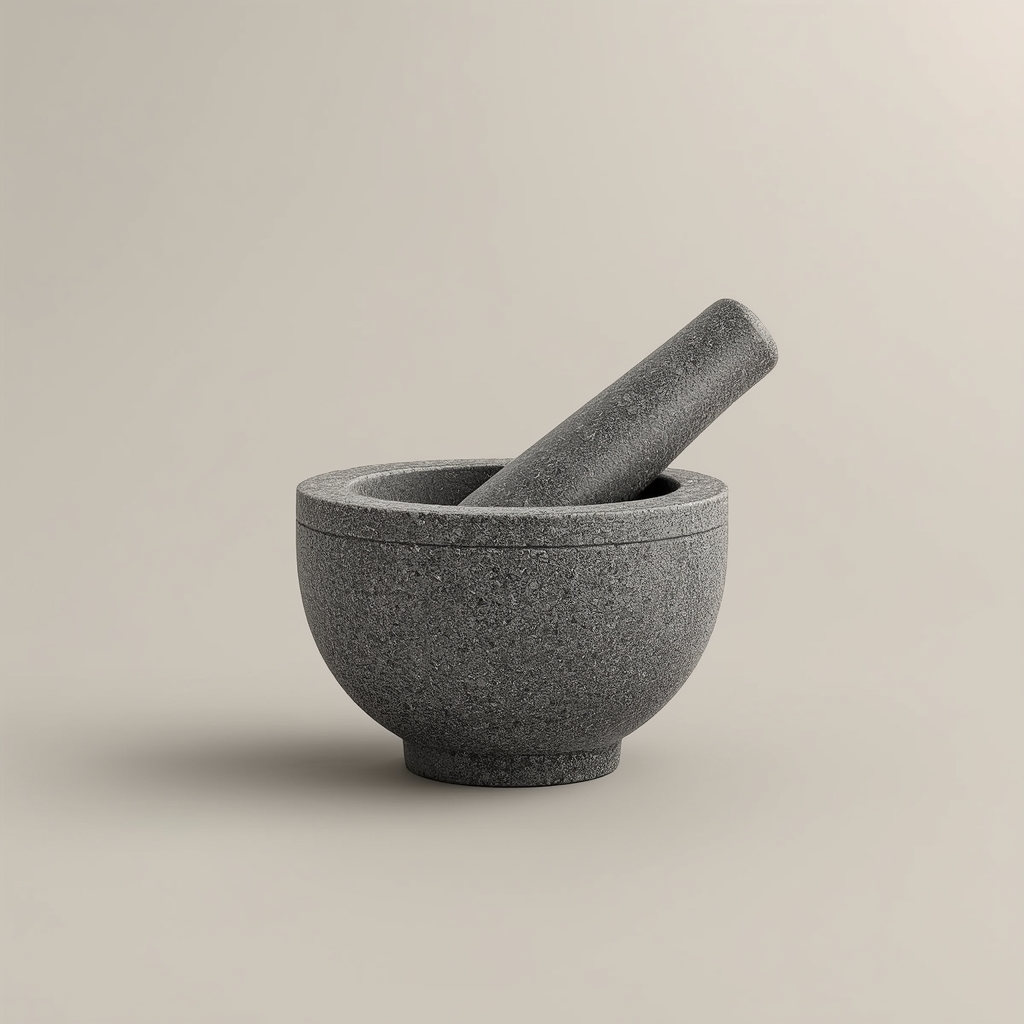
  • Can You Put Mortar and Pestles in the Dishwasher?

    Can You Put Mortar and Pestles in the Dishwasher?

    Yes

    Mortar and pestles should generally not be placed in the dishwasher. The materials used in their construction can be sensitive to the high temperatures and harsh detergents found in dishwashers.

    Why or Why Not?

    Most mortar and pestles are made from materials like ceramic, stone, or wood. These materials can absorb water and detergent, which may lead to damage or degradation over time. Additionally, the high heat of a dishwasher can cause cracking or warping, especially in ceramic or wooden varieties.

    What Happens If You Do Anyway?

    If you put a mortar and pestle in the dishwasher, you risk damaging it. Ceramic mortars may chip or crack, while wooden ones can warp or split. Stone mortars might lose their finish or become discolored. The dishwasher’s environment can also lead to the absorption of soap, which can affect the flavor of the ingredients you grind in the future.

    Manufacturer Guidance (General)

    Most manufacturers recommend hand washing mortar and pestles. They often suggest using warm water and a mild detergent. Avoid abrasive scrubbers that can scratch the surface. Always check the care instructions provided by the manufacturer for specific guidance related to your mortar and pestle.

    Safer Way to Clean It

    The safest way to clean a mortar and pestle is to rinse it with warm water immediately after use. For stubborn residues, use a soft sponge and mild soap. Rinse thoroughly to ensure no soap remains. For stone or ceramic types, you can use a mixture of baking soda and water to scrub away tough stains. Allow it to dry completely before storing.

    Frequently Asked Questions

    Q: Can I soak my mortar and pestle in water?
    A: It is not recommended to soak them, especially if they are made of wood or porous materials, as this can lead to damage.

    Q: How often should I clean my mortar and pestle?
    A: Clean your mortar and pestle after each use to prevent residue buildup and maintain its condition.

    Q: Is it safe to use abrasive cleaners on my mortar and pestle?
    A: No, abrasive cleaners can scratch and damage the surface, affecting its functionality.

  • Can You Put Garlic Peelers in the Dishwasher?

    Can You Put Garlic Peelers in the Dishwasher?

    Yes.

    Garlic peelers can generally be placed in the dishwasher. However, it is essential to consider the material of the peeler before doing so.

    Why or Why Not?

    Most garlic peelers are made from silicone or plastic, both of which are typically dishwasher-safe. Placing these materials in the dishwasher can effectively clean them and remove any lingering odors. However, if the peeler is made from metal or has any non-dishwasher-safe components, it may be best to wash it by hand.

    What Happens If You Do Anyway?

    If you place a non-dishwasher-safe garlic peeler in the dishwasher, it may become damaged. This could include warping, discoloration, or degradation of the material. Additionally, any non-dishwasher-safe components may corrode or break down, rendering the peeler unusable.

    Manufacturer Guidance (General)

    Most manufacturers provide specific cleaning instructions for their products. It is advisable to check the packaging or the manufacturer’s website for guidance on whether a garlic peeler is dishwasher-safe. Following these recommendations can help prolong the life of the product.

    Safer Way to Clean It

    If you are unsure about placing your garlic peeler in the dishwasher, a safer alternative is to wash it by hand. Use warm, soapy water and a soft sponge to clean the peeler. Rinse thoroughly and allow it to air dry. This method ensures that the peeler remains in good condition without the risk of damage from the dishwasher.

    Frequently Asked Questions

    Q: Can I use a garlic peeler made of metal in the dishwasher?
    A: It is not recommended to place metal garlic peelers in the dishwasher as they may rust or corrode.

    Q: How often should I clean my garlic peeler?
    A: It is best to clean your garlic peeler after each use to prevent odors and residue buildup.

    Q: Are there any special care instructions for silicone garlic peelers?
    A: Silicone garlic peelers are generally dishwasher-safe, but it is advisable to check the manufacturer’s instructions for specific care guidelines.

  • Can You Put Garlic Presses in the Dishwasher?

    Can You Put Garlic Presses in the Dishwasher?

    Yes, you can put garlic presses in the dishwasher.

    However, this is not always recommended. The effectiveness of washing garlic presses in a dishwasher can depend on the material and construction of the specific press.

    Why or Why Not?

    Many garlic presses are made from stainless steel or plastic, which are generally dishwasher-safe. However, some models may have components that can degrade or warp in high heat or harsh detergents. Additionally, food particles can become trapped in the mechanism, making it less effective.

    What Happens If You Do Anyway?

    If you choose to wash your garlic press in the dishwasher, it may come out clean, but there are risks. High temperatures can cause plastic parts to warp, and any rubber seals may degrade over time. This can lead to a shorter lifespan for your garlic press.

    Manufacturer Guidance (General)

    It is essential to check the manufacturer’s instructions for your specific garlic press. Some manufacturers explicitly state that their products are dishwasher-safe, while others recommend hand washing to maintain the integrity of the product. Following these guidelines can help ensure that your garlic press remains functional and effective.

    Safer Way to Clean It

    The safest way to clean a garlic press is by hand washing it with warm, soapy water. Use a soft sponge or cloth to avoid scratching the surface. Rinse thoroughly to remove any soap residue. For stubborn garlic residue, a small brush can help reach tight spots.

    Frequently Asked Questions

    Q: Can I put a garlic press with rubber parts in the dishwasher?
    A: It is not recommended as the heat may damage the rubber components.

    Q: How often should I clean my garlic press?
    A: It is best to clean it after each use to prevent food buildup.

    Q: Is it safe to soak a garlic press in water?
    A: Yes, soaking can help loosen food particles, but avoid prolonged soaking to prevent damage.

  • Can You Put Zesters in the Dishwasher?

    Can You Put Zesters in the Dishwasher?

    Yes.

    Zesters can typically be placed in the dishwasher, but there are important considerations to keep in mind.

    Why or Why Not?

    The primary reason zesters can go in the dishwasher is that they are often made from stainless steel or other durable materials that can withstand high temperatures and water exposure. However, the design of some zesters includes plastic components or intricate features that may not fare well in a dishwasher environment.

    Additionally, the high-pressure water jets and harsh detergents used in dishwashers can dull the sharp edges of the zester. This can affect its performance and longevity. Therefore, while it is technically possible to wash zesters in the dishwasher, it may not be the best option for maintaining their effectiveness.

    What Happens If You Do Anyway?

    If you choose to wash your zester in the dishwasher, you may notice that the sharpness of the blades diminishes over time. This can lead to less efficient zesting, requiring more effort to achieve the same results. Furthermore, if the zester has any plastic parts, they may warp or degrade due to the heat and water pressure.

    In some cases, food particles may not be completely removed, especially if the zester has intricate designs or small crevices. This can lead to hygiene concerns if not properly cleaned.

    Manufacturer Guidance (General)

    Most manufacturers provide specific care instructions for their products. It is advisable to check the packaging or the manufacturer’s website for guidance on whether your zester is dishwasher safe. Some manufacturers may recommend hand washing to preserve the quality and sharpness of the zester.

    In general, if the zester is labeled as dishwasher safe, it is safe to use the dishwasher. If not, hand washing is the preferred method to ensure longevity.

    Safer Way to Clean It

    The safest way to clean a zester is to wash it by hand. Use warm, soapy water and a soft sponge to gently scrub the surface. Pay special attention to the sharp edges and any crevices where food particles may accumulate. Rinse thoroughly and dry immediately to prevent rusting or corrosion.

    Using a brush can also help remove stubborn bits of food without damaging the zester. This method ensures that the zester remains sharp and in good condition for future use.

    Frequently Asked Questions

    Q: Can I put a zester with plastic parts in the dishwasher?
    A: It is not recommended as the heat and pressure may damage the plastic components.

    Q: How often should I clean my zester?
    A: It is best to clean your zester after each use to prevent food buildup.

    Q: What is the best way to maintain the sharpness of my zester?
    A: Hand washing and drying immediately after use will help maintain its sharpness.

  • Can You Put Microplane Graters in the Dishwasher?

    Can You Put Microplane Graters in the Dishwasher?

    Yes

    Microplane graters should not be placed in the dishwasher. While they may seem durable, the high heat and harsh detergents used in dishwashers can damage the grater’s surface and affect its performance.

    Why or Why Not?

    The primary reason for avoiding the dishwasher is the potential for the grater’s blades to become dulled or corroded. The intense heat can warp the plastic components, and the abrasive nature of dishwasher detergents can scratch the surface. This can lead to a less effective grating experience and may even compromise food safety.

    What Happens If You Do Anyway?

    If you place a Microplane grater in the dishwasher, you may notice that the blades do not perform as well after washing. The grater may also develop rust spots or discoloration, which can be unsightly and may affect the quality of the food being prepared. In some cases, the plastic parts may become brittle and break over time.

    Manufacturer Guidance (General)

    Most manufacturers recommend hand washing graters with warm, soapy water. This method is gentler and helps maintain the integrity of the blades and the overall structure of the grater. It is advisable to use a soft sponge or cloth to avoid scratching the surface.

    Safer Way to Clean It

    To clean a Microplane grater effectively, rinse it immediately after use to prevent food particles from drying on the surface. Use a soft brush or sponge to scrub the grater gently. For stubborn residue, soaking it in warm, soapy water for a few minutes can help. Rinse thoroughly and allow it to air dry completely before storing.

    Frequently Asked Questions

    Q: Can I soak my Microplane grater?
    A: Yes, soaking it in warm, soapy water for a short time can help loosen stuck food particles.

    Q: What should I avoid when cleaning my grater?
    A: Avoid using abrasive sponges or steel wool, as these can scratch the surface and dull the blades.

    Q: How often should I clean my grater?
    A: It is best to clean your grater after each use to maintain its performance and hygiene.

  • Can You Put Box Graters in the Dishwasher?

    Can You Put Box Graters in the Dishwasher?

    Yes, you can put box graters in the dishwasher, but it is not always recommended.

    Box graters are often made from stainless steel or plastic, both of which can generally withstand the dishwasher’s cleaning cycle. However, the effectiveness of this method can vary based on the material and construction of the grater.

    Why or Why Not?

    While many box graters are dishwasher safe, some may have components that are not. For instance, graters with rubber or plastic handles may degrade over time when exposed to high heat and harsh detergents. Additionally, food particles can become trapped in the grater’s small holes, making it difficult for the dishwasher to clean thoroughly.

    What Happens If You Do Anyway?

    If you choose to put a box grater in the dishwasher, it may come out clean, but there is a risk of damaging the grater. Over time, the high temperatures and strong detergents can cause wear and tear. This could lead to rusting in stainless steel models or warping in plastic ones. Furthermore, if food particles remain stuck, they can lead to bacterial growth.

    Manufacturer Guidance (General)

    Most manufacturers provide specific care instructions for their products. It is essential to check the packaging or the manufacturer’s website for guidance on whether your box grater is dishwasher safe. If the manufacturer advises against using the dishwasher, it is best to follow their recommendations to prolong the life of the grater.

    Safer Way to Clean It

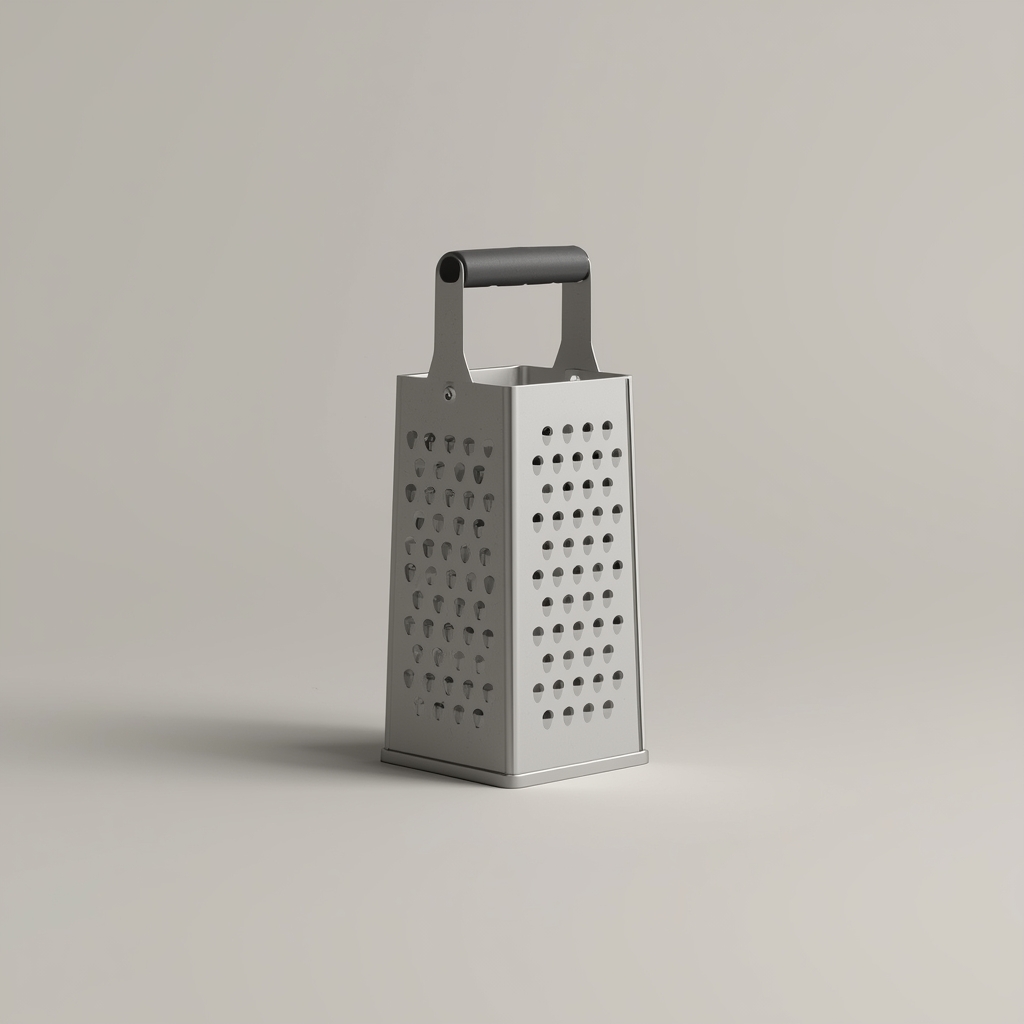
    The safest way to clean a box grater is by hand. Use warm, soapy water and a soft sponge to scrub the grater gently. Pay special attention to the holes where food can get stuck. Rinse thoroughly and dry immediately to prevent rusting or damage. This method ensures that the grater remains in good condition and lasts longer.

    Frequently Asked Questions

    Q: Can I use a dishwasher for all types of box graters?
    A: Not all box graters are dishwasher safe. Always check the manufacturer’s instructions.

    Q: What is the best way to remove stuck food from a box grater?
    A: Soak the grater in warm, soapy water for a few minutes before scrubbing with a soft sponge.

    Q: How can I prevent rust on my stainless steel box grater?
    A: Always dry your grater immediately after washing to prevent moisture buildup, which can lead to rust.

  • Can You Put Graters in the Dishwasher?

    Can You Put Graters in the Dishwasher?

    Yes.

    Graters can generally be placed in the dishwasher, but there are important considerations to keep in mind.

    Why or Why Not?

    Many graters are made from stainless steel or plastic, materials that are typically dishwasher safe. However, the effectiveness of the dishwasher can vary based on the grater’s design and the specific dishwasher settings. Some graters have sharp edges that may become dulled or damaged in the dishwasher.

    Additionally, if the grater has wooden or rubber components, these may not withstand the high temperatures and moisture of a dishwasher cycle. This can lead to warping or degradation over time.

    What Happens If You Do Anyway?

    If you choose to wash a grater in the dishwasher, you may find that it comes out clean, but there is a risk of damage. Sharp edges may become less effective, and any non-metal parts may suffer wear and tear. Over time, this can affect the grater’s performance and longevity.

    Furthermore, if food particles are not completely removed during the wash cycle, they can become stuck in the grater’s holes, leading to potential hygiene issues.

    Manufacturer Guidance (General)

    Most manufacturers provide specific cleaning instructions for their products. It is advisable to check the care label or user manual for guidance on whether the grater is dishwasher safe. If the manufacturer recommends hand washing, it is best to follow that advice to maintain the grater’s quality.

    Safer Way to Clean It

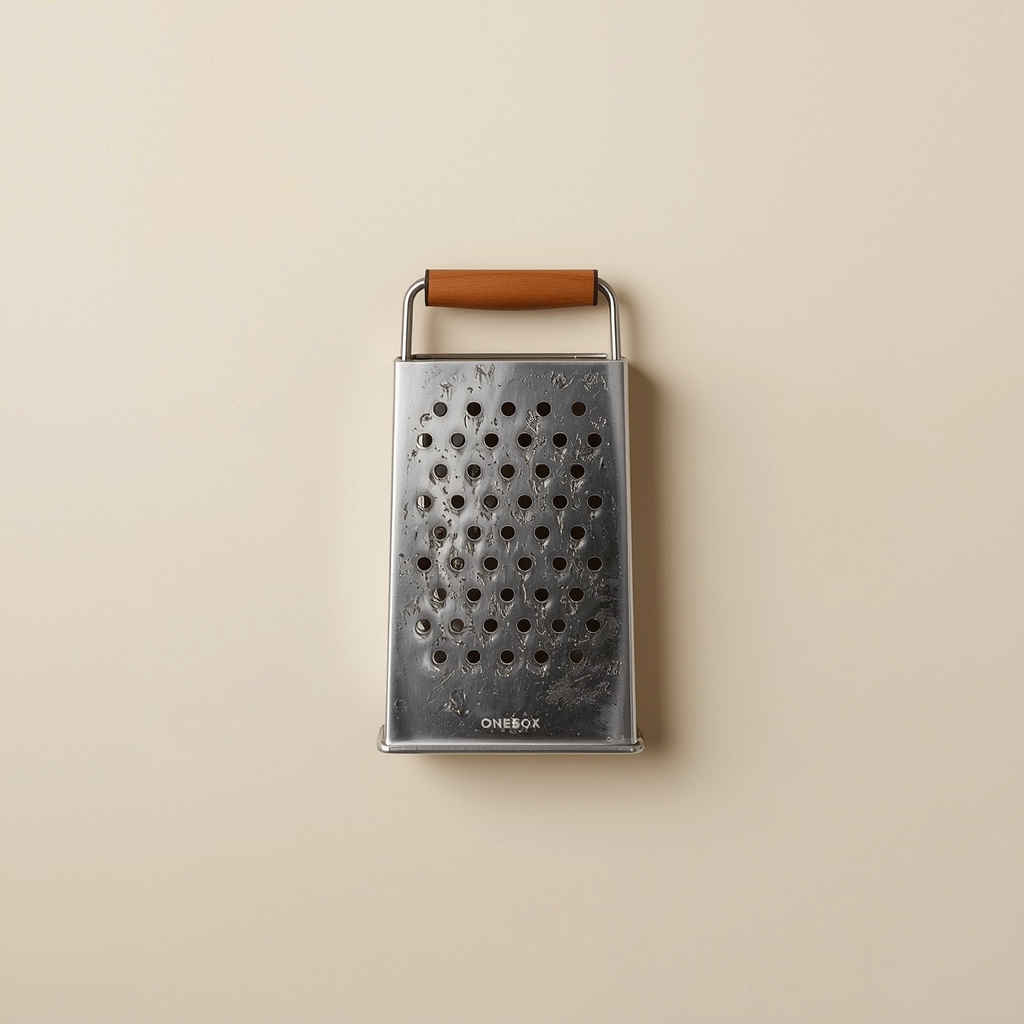
    The safest way to clean a grater is by hand washing. Use warm, soapy water and a sponge or brush to gently scrub the surface. Pay special attention to the holes where food particles can get trapped. Rinse thoroughly and dry immediately to prevent rusting or corrosion.

    For stubborn residues, soaking the grater in warm, soapy water for a few minutes can help loosen debris before scrubbing.

    Frequently Asked Questions

    Q: Can I wash a plastic grater in the dishwasher?
    A: Yes, most plastic graters are dishwasher safe, but check the manufacturer’s instructions.

    Q: Will washing a grater in the dishwasher dull the blades?
    A: It can, especially if the grater has sharp metal edges.

    Q: How should I store my grater after cleaning?
    A: Store it in a dry place, preferably hanging or in a drawer to avoid damage.