Category: Drinkware & Bottles

  • Can You Put Tumbler Straws in the Dishwasher?

    Can You Put Tumbler Straws in the Dishwasher?

    Yes, you can put tumbler straws in the dishwasher.

    However, it is essential to consider the material and construction of the straws before doing so. Many tumbler straws are made from stainless steel, silicone, or plastic, and each material has different dishwasher safety ratings.

    Why or Why Not?

    Dishwashing tumbler straws can be convenient for cleaning, as it saves time and effort. However, not all straws are created equal. Some plastic straws may warp or become discolored in high heat, while silicone straws can withstand the dishwasher’s environment better. Always check the manufacturer’s recommendations for specific guidance.

    What Happens If You Do Anyway?

    If you place non-dishwasher-safe straws in the dishwasher, you may encounter several issues. Plastic straws may lose their shape, become brittle, or develop cracks. Stainless steel straws generally hold up well, but if they are not securely placed, they can rattle around and potentially cause damage to other items in the dishwasher. Silicone straws usually fare better but can still degrade over time if exposed to high heat repeatedly.

    Manufacturer Guidance (General)

    Most manufacturers provide specific care instructions for their products. It is advisable to consult the packaging or the manufacturer’s website for detailed cleaning instructions. Many brands recommend hand washing for longevity, especially for plastic and silicone straws. If the manufacturer states that the straws are dishwasher-safe, it is typically safe to place them on the top rack of the dishwasher.

    Safer Way to Clean It

    If you want to ensure the longevity of your tumbler straws, hand washing is often the safest method. Use warm, soapy water and a straw cleaning brush to remove any residue. Rinse thoroughly and allow them to air dry. This method helps maintain the integrity of the straw material and prevents any potential damage from the dishwasher.

    Frequently Asked Questions

    Q: Can I wash stainless steel straws in the dishwasher?
    A: Yes, stainless steel straws are generally dishwasher-safe, but check the manufacturer’s guidelines.

    Q: Will washing silicone straws in the dishwasher damage them?
    A: Silicone straws can usually withstand dishwasher cleaning, but frequent exposure to high heat may reduce their lifespan.

    Q: How should I clean plastic straws?
    A: It is best to hand wash plastic straws to avoid warping or damage from the dishwasher.
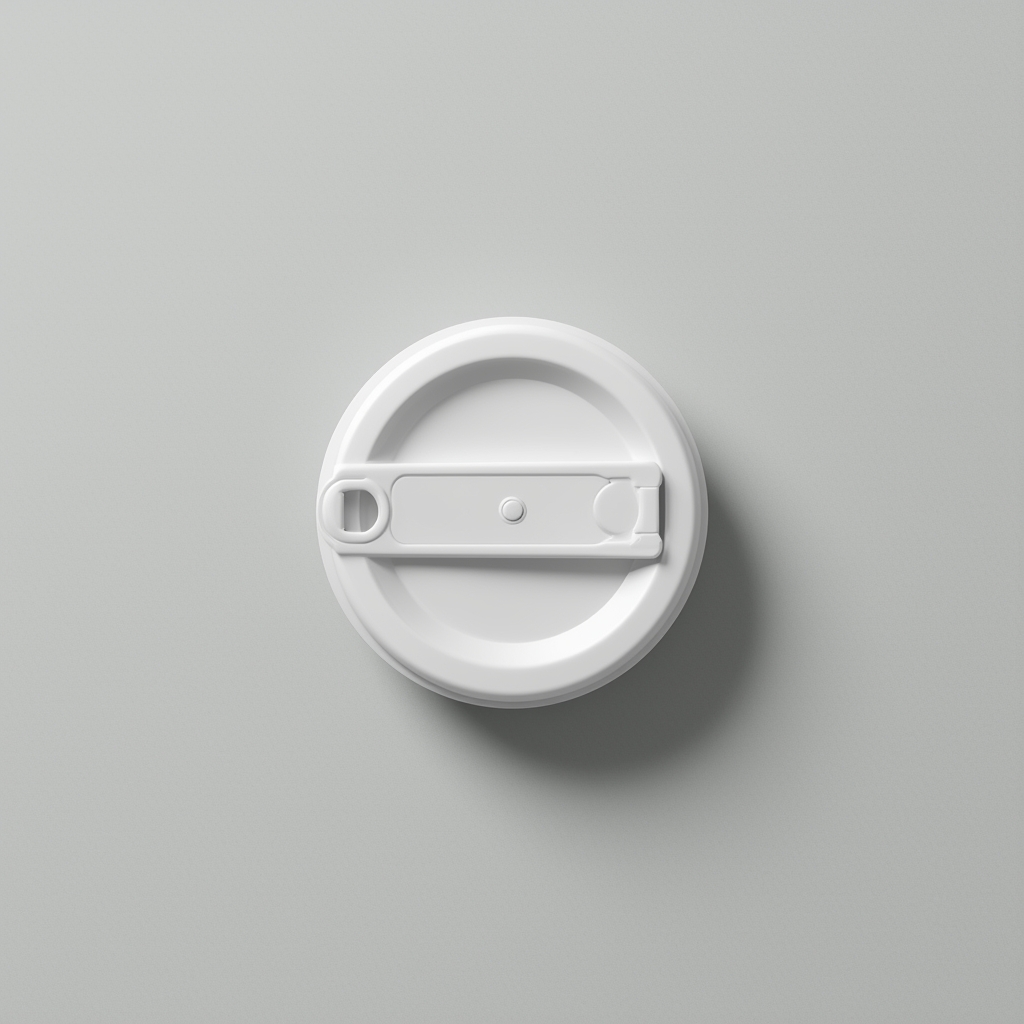
  • Can You Put Tumbler Lids in the Dishwasher?

    Can You Put Tumbler Lids in the Dishwasher?

    Yes, you can put some tumbler lids in the dishwasher.

    However, it is essential to check the specific material and design of the lid before doing so. Many tumbler lids are made from plastic or silicone, which can generally withstand the dishwasher’s heat and cleaning process. Nevertheless, not all lids are created equal, and some may warp or degrade over time when exposed to high temperatures.

    Why or Why Not?

    Putting tumbler lids in the dishwasher can be convenient, as it saves time and effort compared to hand washing. However, certain lids may have components like rubber seals or intricate designs that could be damaged in the dishwasher. Additionally, the high heat and strong detergents used in dishwashers can lead to discoloration or loss of functionality over time.

    What Happens If You Do Anyway?

    If you place a tumbler lid that is not dishwasher-safe in the dishwasher, you may encounter several issues. The lid could warp, crack, or lose its shape, rendering it unusable. Furthermore, if the lid has a rubber seal, it may degrade, leading to leaks when the tumbler is used. In some cases, the dishwasher’s heat could cause the lid to release harmful chemicals, especially if it is made from low-quality plastic.

    Manufacturer Guidance (General)

    Most manufacturers provide specific care instructions for their products. It is advisable to refer to the packaging or the manufacturer’s website for guidance on whether a particular tumbler lid is dishwasher-safe. If the lid is labeled as dishwasher-safe, it is typically recommended to place it on the top rack to minimize exposure to direct heat. If it is not labeled, hand washing is often the safest option.

    Safer Way to Clean It

    The safest way to clean a tumbler lid is by hand washing it with warm, soapy water. Use a soft sponge or cloth to avoid scratching the surface. Pay special attention to any grooves or seals where residue may accumulate. Rinse thoroughly and allow it to air dry completely before reattaching it to the tumbler. This method helps preserve the integrity and longevity of the lid.

    Frequently Asked Questions

    Q: Can I wash my tumbler lid in hot water?
    A: Yes, but avoid boiling water as it may warp the lid.

    Q: Are all tumbler lids dishwasher-safe?
    A: No, not all lids are dishwasher-safe. Always check the manufacturer’s instructions.

    Q: How can I tell if my tumbler lid is damaged?
    A: Look for signs of warping, cracks, or a compromised seal, which may indicate it needs replacement.

  • Can You Put Glass Tumblers in the Dishwasher?

    Can You Put Glass Tumblers in the Dishwasher?

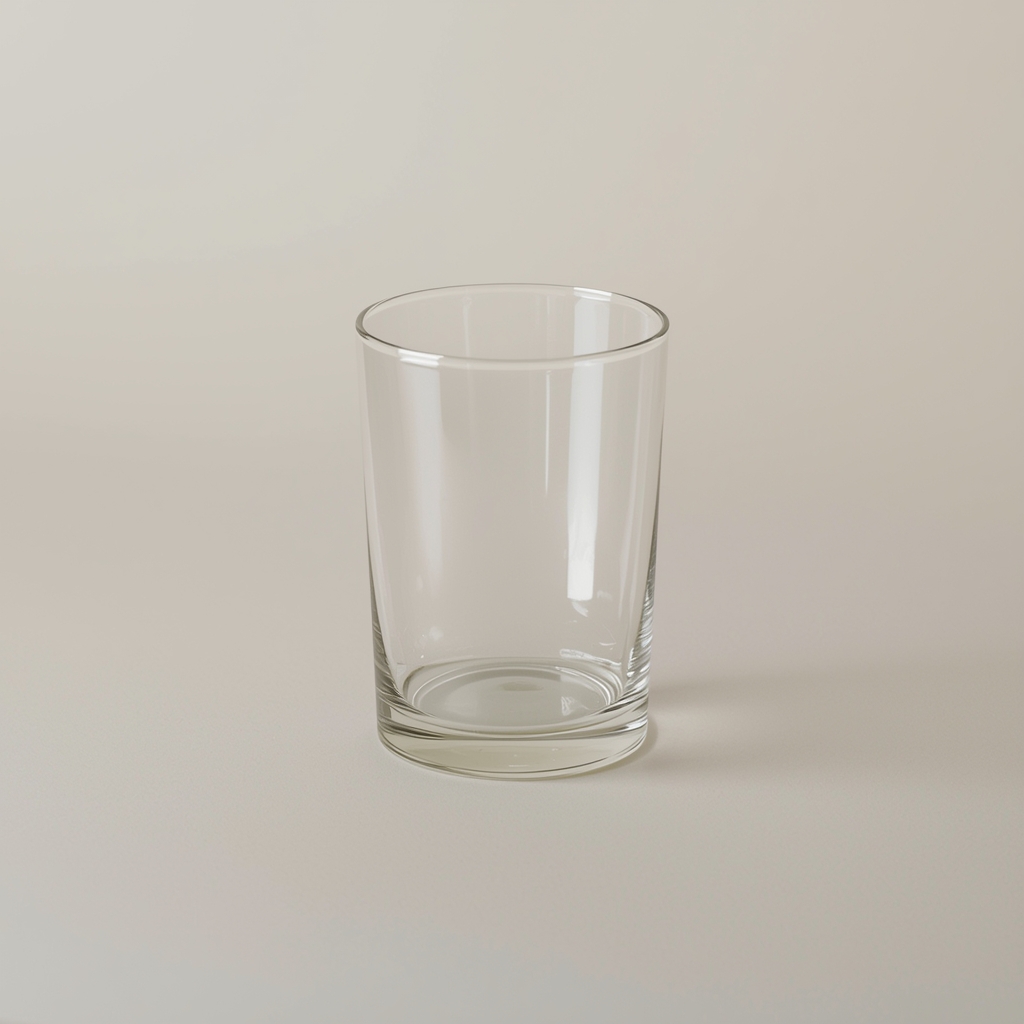
    Yes, you can put glass tumblers in the dishwasher, but caution is advised.

    Many glass tumblers are designed to withstand the rigors of a dishwasher cycle. However, not all glass is created equal, and some tumblers may be more susceptible to damage than others.

    Why or Why Not?

    Glass tumblers that are labeled as dishwasher-safe can typically endure the heat and water pressure of a dishwasher. However, tumblers made from thinner or decorative glass may crack or chip during the washing process. Additionally, the high temperatures in dishwashers can cause some types of glass to become cloudy over time.

    What Happens If You Do Anyway?

    If you place non-dishwasher-safe glass tumblers in the dishwasher, they may break or become damaged. This can lead to sharp shards that pose a safety risk. Moreover, tumblers that are not designed for high heat may warp or lose their shape, making them unusable.

    Manufacturer Guidance (General)

    Always check the manufacturer’s guidelines before placing glass tumblers in the dishwasher. Many manufacturers provide specific instructions regarding the care and cleaning of their products. If the tumbler is labeled as dishwasher-safe, it is generally safe to wash it in the dishwasher.

    Safer Way to Clean It

    If you are unsure about the dishwasher safety of your glass tumblers, hand washing is a safer alternative. Use warm soapy water and a soft sponge to clean the tumblers. This method reduces the risk of chipping or breaking and helps maintain the clarity and shine of the glass.

    Frequently Asked Questions

    Q: Can all glass tumblers go in the dishwasher?
    A: No, not all glass tumblers are dishwasher-safe. Always check for labels or manufacturer instructions.

    Q: Will dishwashing glass tumblers make them cloudy?
    A: Yes, over time, dishwashing can cause some glass tumblers to become cloudy due to mineral deposits.

    Q: What is the best way to clean delicate glass tumblers?
    A: The best way to clean delicate glass tumblers is by hand washing them with warm soapy water and a soft sponge.

  • Can You Put Plastic Tumblers in the Dishwasher?

    Can You Put Plastic Tumblers in the Dishwasher?

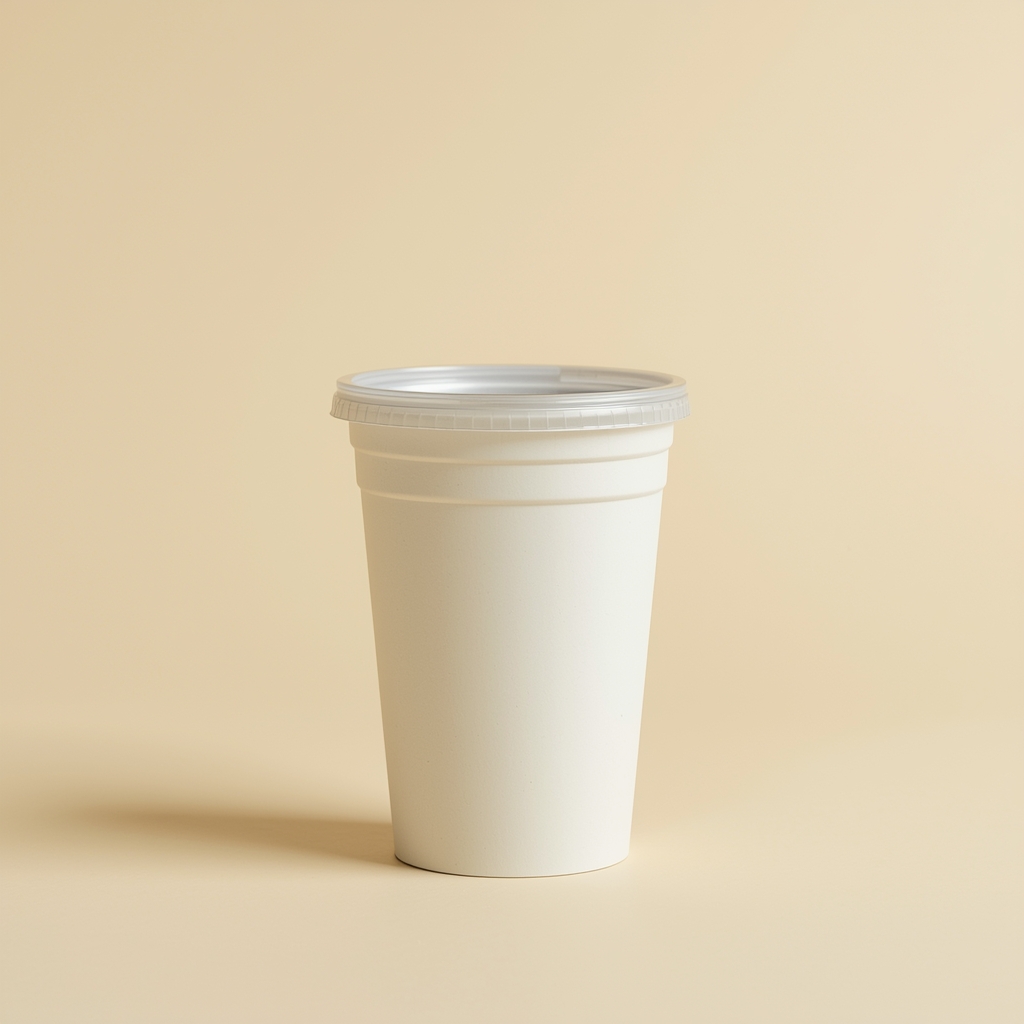
    Yes, you can put plastic tumblers in the dishwasher, but caution is advised.

    Many plastic tumblers are labeled as dishwasher-safe, but not all are created equal. The heat and intensity of the dishwasher can affect the integrity of certain types of plastic. Therefore, it is essential to check the manufacturer’s guidelines before placing them in the dishwasher.

    Why or Why Not?

    Plastic tumblers are often made from materials that can warp or become discolored when exposed to high temperatures. The top rack of the dishwasher is usually the safest place for plastic items, as it is further from the heating element. However, even on the top rack, some tumblers may still suffer damage over time.

    Additionally, certain types of plastic may not be designed to withstand the harsh detergents used in dishwashers. This can lead to a breakdown of the material, resulting in a shorter lifespan for the tumbler.

    What Happens If You Do Anyway?

    If you put a non-dishwasher-safe plastic tumbler in the dishwasher, it may warp, crack, or become discolored. In some cases, the tumbler may even leach harmful chemicals into your beverages. This is particularly concerning if the tumbler is made from lower-quality plastics that are not designed for repeated exposure to heat and detergent.

    Over time, repeated washing in the dishwasher can lead to a loss of structural integrity, making the tumbler less safe for use. It is advisable to monitor the condition of your tumblers regularly if you choose to wash them in the dishwasher.

    Manufacturer Guidance (General)

    Most manufacturers provide specific care instructions for their products. Always look for labels or markings that indicate whether a tumbler is dishwasher-safe. If the tumbler is marked as dishwasher-safe, it is generally safe to wash it in the dishwasher, preferably on the top rack.

    If no guidance is available, err on the side of caution and wash the tumbler by hand. This will help preserve its appearance and functionality for a longer period.

    Safer Way to Clean It

    The safest way to clean plastic tumblers is by hand washing them with warm, soapy water. Use a soft sponge or cloth to avoid scratching the surface. Rinse thoroughly to remove any soap residue. This method helps maintain the quality of the plastic and extends the life of the tumbler.

    For tough stains or odors, consider soaking the tumbler in a mixture of vinegar and water before washing. This natural cleaning solution can effectively remove unwanted residues without damaging the plastic.

    Frequently Asked Questions

    Q: Can all plastic tumblers go in the dishwasher?
    A: No, not all plastic tumblers are dishwasher-safe. Always check for manufacturer guidelines.

    Q: What should I do if my tumbler warps in the dishwasher?
    A: If your tumbler warps, it is best to discontinue using it for beverages, as it may no longer be safe.

    Q: Is hand washing better for plastic tumblers?
    A: Yes, hand washing is generally safer and helps maintain the quality of plastic tumblers.

  • Can You Put Stainless Steel Tumblers in the Dishwasher?

    Can You Put Stainless Steel Tumblers in the Dishwasher?

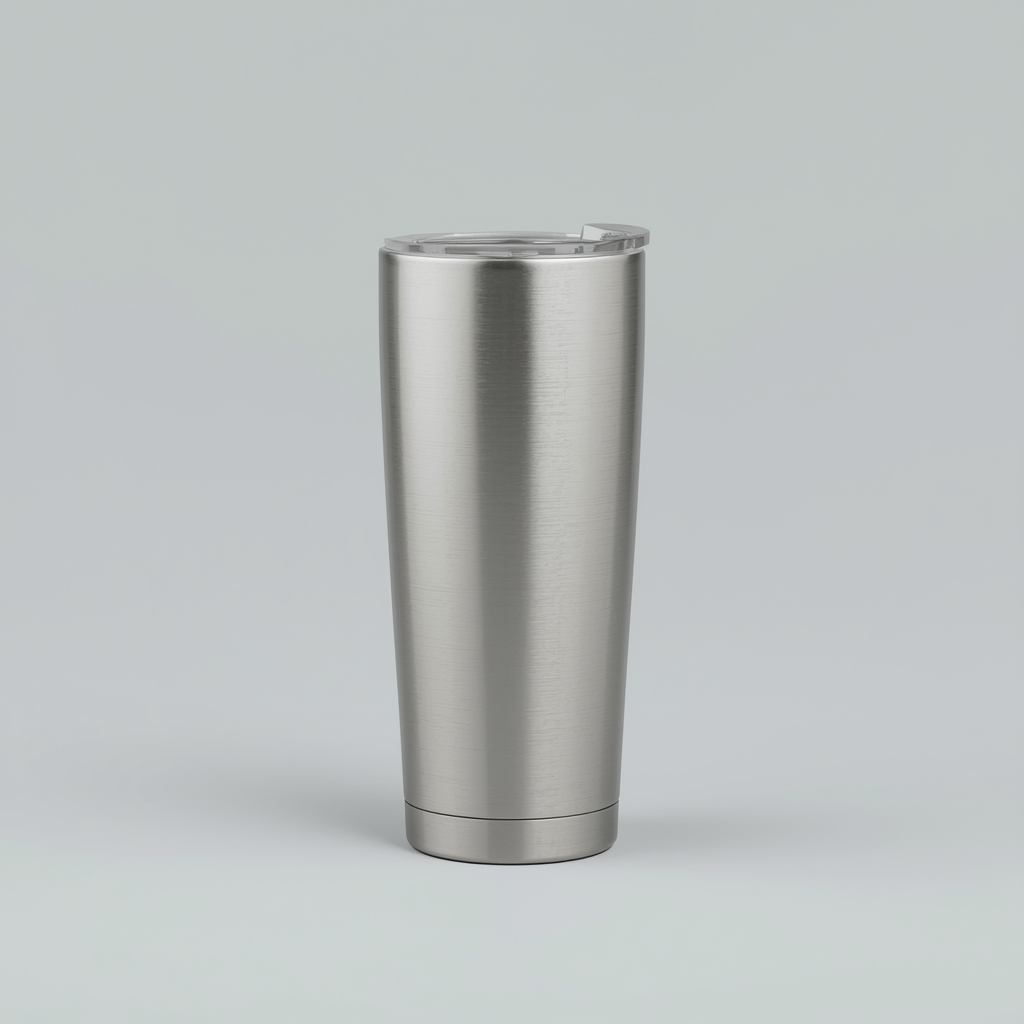
    Yes, you can put stainless steel tumblers in the dishwasher.

    However, there are several factors to consider before doing so. While many stainless steel tumblers are labeled as dishwasher safe, the longevity and appearance of the tumbler may be affected by the dishwasher’s cleaning process.

    Why or Why Not?

    Stainless steel is generally resistant to rust and corrosion, making it a durable material for drinkware. Many manufacturers design their tumblers to withstand the high temperatures and water pressure of a dishwasher. However, some tumblers may have plastic components, such as lids or straws, that can warp or degrade in the dishwasher.

    Additionally, the harsh detergents used in dishwashers can lead to discoloration or dullness over time. If maintaining the original appearance of the tumbler is important, hand washing may be a better option.

    What Happens If You Do Anyway?

    If you choose to wash your stainless steel tumbler in the dishwasher, it may still come out clean. However, repeated exposure to the dishwasher can lead to scratches, fading, or a loss of shine. Plastic parts may also suffer damage, affecting the functionality of the tumbler.

    In some cases, the high heat can cause seals to break down, leading to leaks. It is essential to monitor the condition of your tumbler if you decide to use the dishwasher regularly.

    Manufacturer Guidance (General)

    Most manufacturers provide specific care instructions for their products. Always check the label or the manufacturer’s website for guidance on whether your tumbler is dishwasher safe. Some brands may recommend placing the tumbler on the top rack of the dishwasher to minimize exposure to heat and water pressure.

    Following the manufacturer’s recommendations can help ensure the longevity of your tumbler and maintain its appearance.

    Safer Way to Clean It

    If you want to preserve your stainless steel tumbler’s appearance and functionality, hand washing is often the safest method. Use warm, soapy water and a soft sponge to clean the tumbler. Avoid abrasive cleaners or scrubbers that can scratch the surface.

    For tough stains or odors, a mixture of baking soda and water can be effective. Rinse thoroughly and allow the tumbler to air dry to prevent moisture buildup.

    Frequently Asked Questions

    Q: Can I put my stainless steel tumbler in the microwave?
    A: No, stainless steel is not microwave safe and can cause damage to the microwave.

    Q: Will my tumbler lose its insulation if washed in the dishwasher?
    A: Generally, the insulation should remain intact, but repeated dishwasher use may affect the exterior finish.

    Q: How can I remove stubborn stains from my tumbler?
    A: A paste of baking soda and water can help lift stubborn stains without damaging the surface.

  • Can You Put Insulated Tumblers in the Dishwasher?

    Can You Put Insulated Tumblers in the Dishwasher?

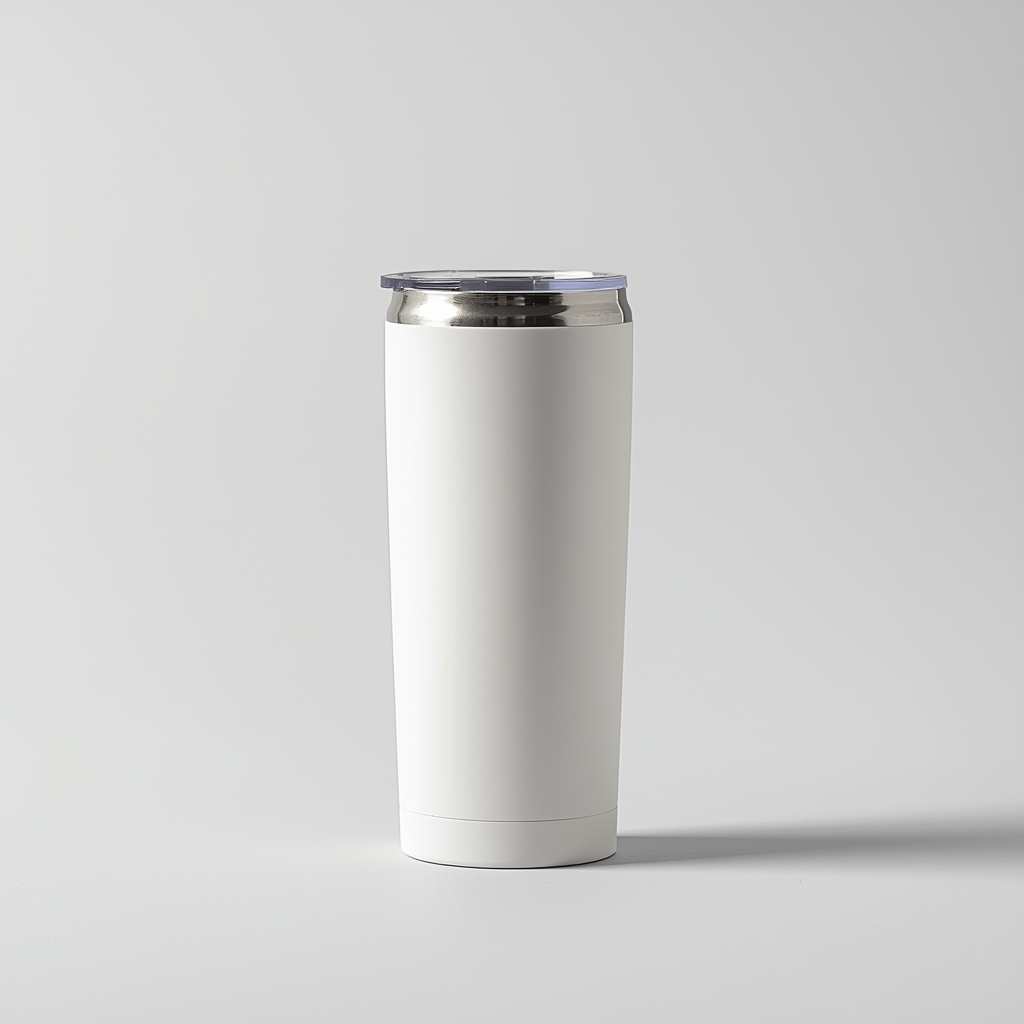
    Yes, you can put insulated tumblers in the dishwasher, but there are important considerations.

    Why or Why Not?

    Insulated tumblers are designed to keep beverages hot or cold for extended periods. Many of these tumblers are made with stainless steel and have a vacuum-sealed design. While some tumblers are labeled as dishwasher-safe, others may not withstand the high temperatures and harsh detergents used in dishwashers. This can lead to damage over time, affecting both the insulation properties and the exterior finish.

    What Happens If You Do Anyway?

    If you place a non-dishwasher-safe insulated tumbler in the dishwasher, several issues may arise. The vacuum seal could be compromised, leading to a loss of insulation efficiency. Additionally, the exterior may become scratched or discolored due to the abrasive nature of dishwasher detergents. In some cases, the tumbler may warp or become misshapen, rendering it less effective for its intended use.

    Manufacturer Guidance (General)

    Most manufacturers provide specific cleaning instructions for their insulated tumblers. It is essential to check the product label or the manufacturer’s website for guidance. Some brands explicitly state that their tumblers are dishwasher-safe, while others recommend hand washing to preserve the integrity of the product. Following these guidelines can help extend the lifespan of your tumbler and maintain its performance.

    Safer Way to Clean It

    The safest way to clean insulated tumblers is by hand washing them. Use warm, soapy water and a soft sponge or cloth to gently scrub the interior and exterior. Avoid using abrasive cleaners or scrubbers that could scratch the surface. Rinse thoroughly and allow the tumbler to air dry. This method helps maintain the tumbler’s insulation and appearance over time.

    Frequently Asked Questions

    Q: Can I wash my insulated tumbler in the top rack of the dishwasher?
    A: While some insulated tumblers may be labeled as dishwasher-safe, it is generally safer to hand wash them to avoid potential damage.

    Q: Will using the dishwasher void my tumbler’s warranty?
    A: This depends on the manufacturer’s policy. Check the warranty terms to see if improper cleaning methods affect coverage.

    Q: How can I tell if my tumbler is dishwasher-safe?
    A: Look for labels or instructions from the manufacturer that indicate whether the tumbler is safe for dishwasher use.

  • Can You Put Travel Tumblers in the Dishwasher?

    Can You Put Travel Tumblers in the Dishwasher?

    Yes.

    Travel tumblers can generally be placed in the dishwasher, but there are important considerations to keep in mind.

    Why or Why Not?

    Many travel tumblers are designed to withstand the rigors of a dishwasher. However, some materials and finishes may not be dishwasher safe. For instance, tumblers made from stainless steel are often more durable than those made from plastic or glass. The high heat and strong detergents used in dishwashers can damage certain types of insulation or coatings.

    What Happens If You Do Anyway?

    If you place a travel tumbler that is not dishwasher safe in the dishwasher, you may experience several issues. The tumbler could become discolored, lose its insulation properties, or develop leaks. Additionally, any decals or printed designs may fade or peel off. In the worst-case scenario, the tumbler could warp or crack due to the high temperatures.

    Manufacturer Guidance (General)

    It is essential to check the manufacturer’s guidelines for specific cleaning instructions. Many manufacturers provide clear labels indicating whether their products are dishwasher safe. If the tumbler has a removable lid, it is often recommended to wash the lid by hand to preserve its integrity. Always refer to the care instructions to ensure the longevity of your travel tumbler.

    Safer Way to Clean It

    The safest way to clean a travel tumbler is by hand washing it with warm, soapy water. Use a soft sponge or cloth to avoid scratching the surface. Rinse thoroughly to remove any soap residue. For stubborn stains or odors, a mixture of baking soda and water can be effective. Allow the tumbler to air dry completely before reassembling.

    Frequently Asked Questions

    Q: Can I put my travel tumbler in the top rack of the dishwasher?
    A: It depends on the material. Always check the manufacturer’s instructions first.

    Q: Will washing my tumbler in the dishwasher void the warranty?
    A: Some manufacturers may void the warranty if the tumbler is not cleaned according to their guidelines.

    Q: How often should I clean my travel tumbler?
    A: It is recommended to clean your tumbler after each use to prevent bacteria buildup.

  • Can You Put Water Bottle Brushes in the Dishwasher?

    Can You Put Water Bottle Brushes in the Dishwasher?

    Yes, you can put some water bottle brushes in the dishwasher.

    However, it is essential to check the specific materials and construction of the brush before doing so. Many water bottle brushes are made from durable materials that can withstand the heat and water pressure of a dishwasher. Nevertheless, some brushes may have components that are not dishwasher safe.

    Why or Why Not?

    Water bottle brushes are designed to clean hard-to-reach areas inside bottles. They often feature bristles made from nylon or other synthetic materials. If the brush is labeled as dishwasher safe, it can typically handle the high temperatures and detergents used in dishwashers. On the other hand, brushes with wooden handles or delicate bristles may warp or degrade in the dishwasher.

    What Happens If You Do Anyway?

    If you place a non-dishwasher safe water bottle brush in the dishwasher, it may become damaged. Wooden handles can swell or crack, while certain bristles may melt or lose their shape. This can render the brush ineffective for cleaning. Additionally, any adhesive used in the brush’s construction may weaken, leading to further deterioration.

    Manufacturer Guidance (General)

    Most manufacturers provide care instructions for their products. It is advisable to refer to these guidelines before placing a water bottle brush in the dishwasher. If the brush is not explicitly marked as dishwasher safe, hand washing is usually recommended. This helps maintain the integrity and longevity of the brush.

    Safer Way to Clean It

    The safest way to clean a water bottle brush is by hand. Use warm, soapy water and a gentle scrub to remove any residue. Rinse thoroughly and allow it to air dry. This method ensures that the brush remains in good condition and continues to function effectively for cleaning bottles.

    Frequently Asked Questions

    Q: Can I use bleach to clean my water bottle brush?
    A: It is not recommended to use bleach as it can damage the bristles and handle. Stick to mild soap and water for cleaning.

    Q: How often should I replace my water bottle brush?
    A: It is advisable to replace your water bottle brush every few months or when you notice wear and tear.

    Q: Are there any brushes specifically designed for dishwashers?
    A: Yes, some brushes are specifically designed to be dishwasher safe. Always check the packaging for this information.

  • Can You Put Water Bottle Sleeves in the Dishwasher?

    Can You Put Water Bottle Sleeves in the Dishwasher?

    Yes, you can put some water bottle sleeves in the dishwasher.

    However, this depends on the material and construction of the sleeve. Many water bottle sleeves are made from materials that can withstand the heat and water pressure of a dishwasher, while others may not be as durable.

    Why or Why Not?

    Water bottle sleeves made from silicone, neoprene, or certain types of fabric are often dishwasher safe. These materials can handle high temperatures and are resistant to water damage. On the other hand, sleeves with plastic components, intricate designs, or those that are not labeled as dishwasher safe may warp or degrade in the dishwasher.

    What Happens If You Do Anyway?

    If you place a non-dishwasher-safe water bottle sleeve in the dishwasher, it may become misshapen, lose its insulating properties, or even break apart. This can lead to reduced functionality and may require you to replace the sleeve sooner than expected.

    Manufacturer Guidance (General)

    Always check the manufacturer’s instructions for cleaning guidelines. Many brands provide specific care instructions that indicate whether their water bottle sleeves are dishwasher safe. If the label is missing or unclear, it is best to err on the side of caution and wash the sleeve by hand.

    Safer Way to Clean It

    The safest way to clean a water bottle sleeve is to hand wash it with mild soap and warm water. Use a soft cloth or sponge to gently scrub the surface. Rinse thoroughly and allow it to air dry completely before using it again. This method helps maintain the integrity of the sleeve and prolongs its lifespan.

    Frequently Asked Questions

    Q: Can I wash my water bottle sleeve with bleach?
    A: It is not recommended to use bleach as it can damage the material and affect its performance.

    Q: How often should I clean my water bottle sleeve?
    A: It is advisable to clean your water bottle sleeve regularly, especially after heavy use or exposure to dirt and moisture.

    Q: Are there any materials I should avoid for water bottle sleeves?
    A: Avoid sleeves made from materials that are not moisture-resistant or that do not provide adequate insulation, as they may not perform well over time.

  • Can You Put Water Bottle Straws in the Dishwasher?

    Can You Put Water Bottle Straws in the Dishwasher?

    Yes.

    Water bottle straws can generally be placed in the dishwasher, but there are important considerations to keep in mind.

    Why or Why Not?

    Many water bottle straws are made from materials that are dishwasher safe, such as silicone or certain types of plastic. However, some straws may be made from materials that can warp or degrade in high heat. Additionally, the small size of straws can make them difficult to clean effectively in a dishwasher, leading to potential residue buildup.

    What Happens If You Do Anyway?

    If you place a non-dishwasher safe straw in the dishwasher, it may become misshapen or damaged. This can affect its functionality and may lead to leaks or difficulty in drinking. Furthermore, if the straw is not cleaned properly, bacteria can accumulate, posing health risks.

    Manufacturer Guidance (General)

    Always check the manufacturer’s guidelines for specific cleaning instructions. Many manufacturers provide recommendations on whether their straws are dishwasher safe. If the packaging or website indicates that the straw is not suitable for the dishwasher, it is best to follow that advice to ensure the longevity of the product.

    Safer Way to Clean It

    A safer way to clean water bottle straws is to wash them by hand. Use warm, soapy water and a straw cleaning brush to reach the interior surfaces. Rinse thoroughly to remove any soap residue. This method helps maintain the integrity of the straw and ensures a more thorough cleaning.

    Frequently Asked Questions

    Q: Can I use a dishwasher for all types of water bottle straws?
    A: No, not all straws are dishwasher safe. Check the manufacturer’s instructions.

    Q: What is the best way to clean a straw if I can’t use a dishwasher?
    A: Hand washing with warm, soapy water and a straw brush is recommended.

    Q: How often should I clean my water bottle straw?
    A: It is advisable to clean your straw after each use to prevent bacteria buildup.