Category: Drinkware & Bottles

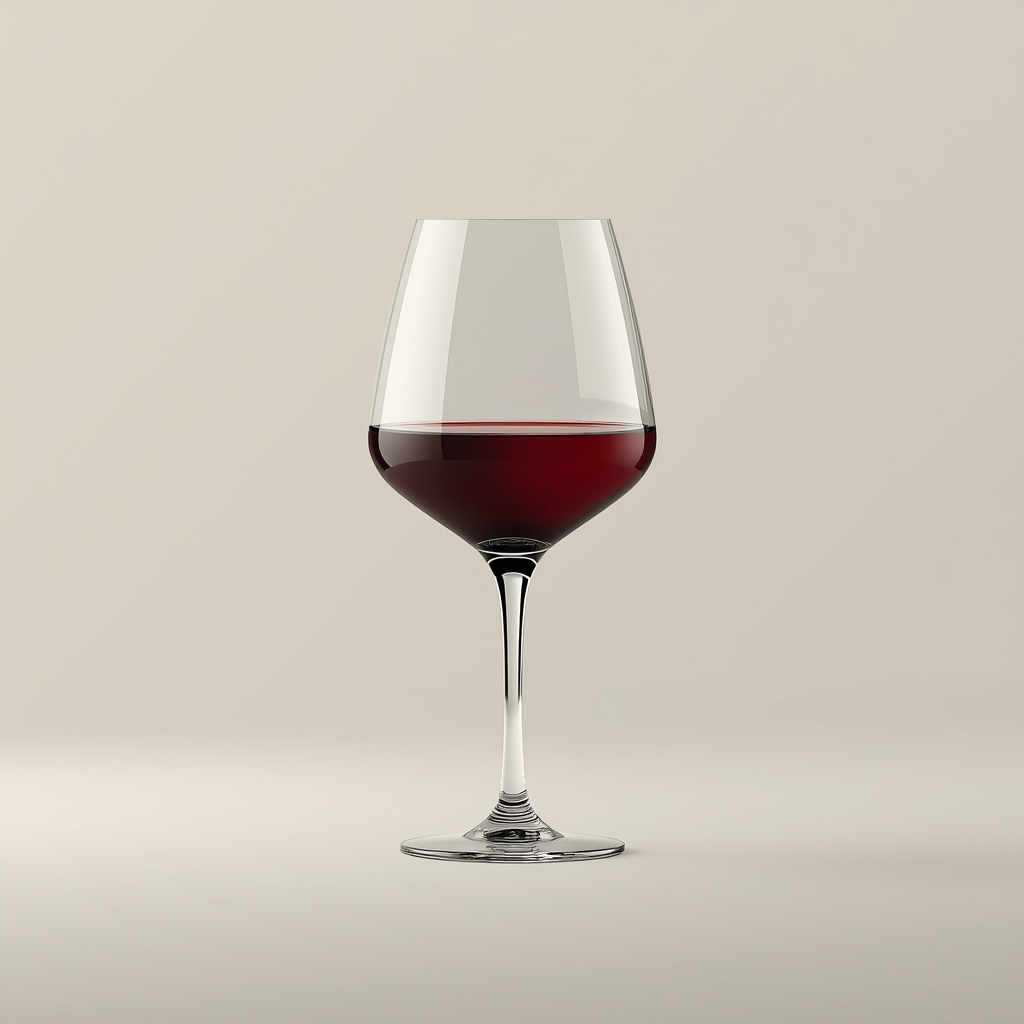
  • Can You Put Red Wine Glasses in the Dishwasher?

    Can You Put Red Wine Glasses in the Dishwasher?

    Yes, you can put some red wine glasses in the dishwasher, but caution is advised.

    Not all red wine glasses are created equal. The ability to safely wash them in a dishwasher largely depends on the material and construction of the glass. Many modern wine glasses are designed to withstand the rigors of a dishwasher, while others may not be as durable.

    Why or Why Not?

    Red wine glasses made from tempered glass or crystal may be dishwasher safe, but they can still be prone to chipping or breaking due to the high temperatures and strong water jets. Additionally, the detergent used in dishwashers can sometimes cause etching or cloudiness over time, particularly on fine glassware.

    What Happens If You Do Anyway?

    If you choose to wash red wine glasses in the dishwasher, you may experience a few potential issues. First, there is a risk of damage from the intense heat and pressure. Second, the glasses may lose their clarity and shine due to the abrasive nature of dishwasher detergents. Lastly, if the glasses are not securely placed in the dishwasher, they could collide with other items, leading to cracks or breaks.

    Manufacturer Guidance (General)

    Most manufacturers provide specific care instructions for their glassware. It is essential to check the label or packaging for any recommendations regarding dishwasher use. If the manufacturer indicates that the glasses are dishwasher safe, it is usually safe to proceed, but using the top rack is often recommended to minimize exposure to heat and water pressure.

    Safer Way to Clean It

    The safest way to clean red wine glasses is by hand washing them. Use warm water and a mild dish soap, along with a soft sponge or cloth. Rinse thoroughly to remove any soap residue and dry with a lint-free towel to prevent water spots. This method helps maintain the integrity and appearance of the glass over time.

    Frequently Asked Questions

    Q: Can all types of red wine glasses go in the dishwasher?
    A: No, not all types are dishwasher safe. Check the manufacturer’s guidelines.

    Q: What is the best way to prevent damage to wine glasses?
    A: Hand washing is the safest method to prevent damage.

    Q: How can I restore the shine to my wine glasses?
    A: Soaking them in a mixture of vinegar and water can help restore clarity.
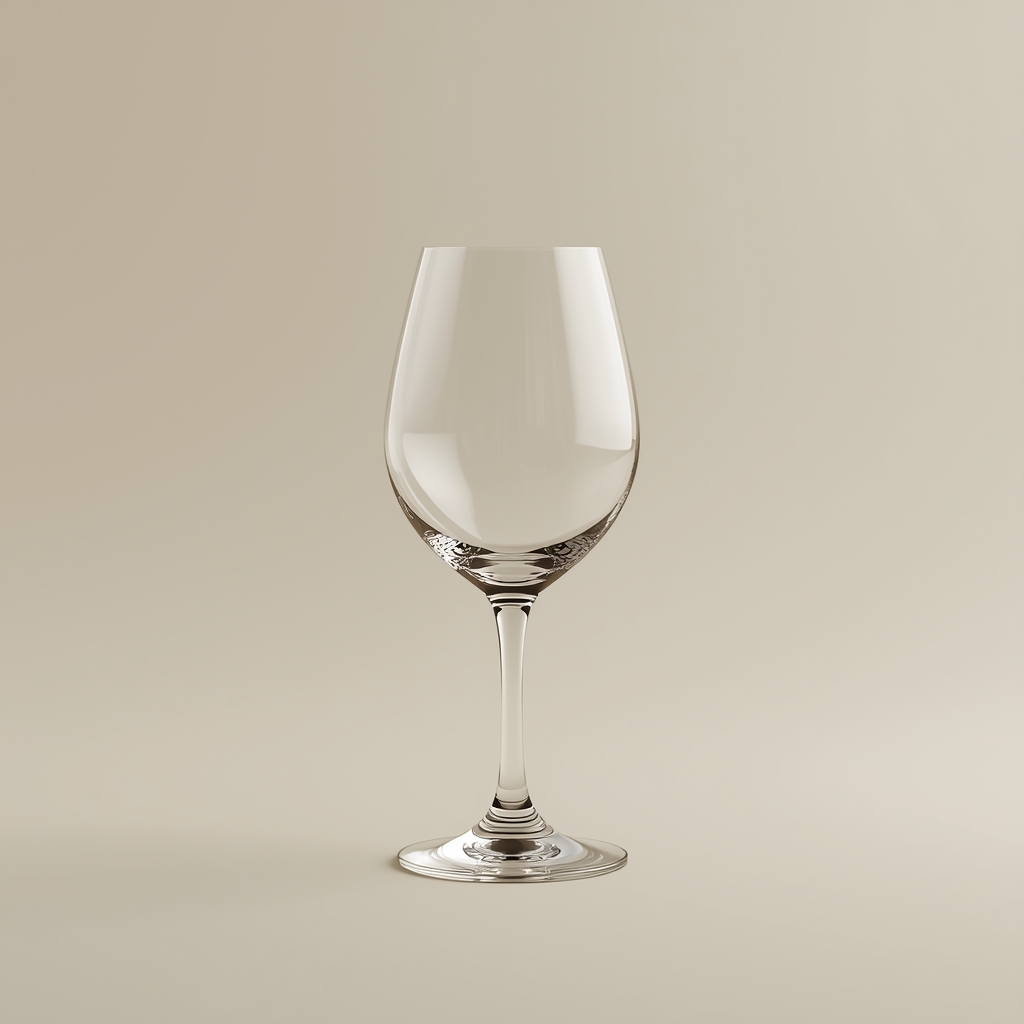
  • Can You Put Wine Glasses in the Dishwasher?

    Can You Put Wine Glasses in the Dishwasher?

    Yes, you can put some wine glasses in the dishwasher, but caution is advised.

    Not all wine glasses are created equal, and their ability to withstand the dishwasher depends on the materials used and the construction methods. While some wine glasses are labeled as dishwasher safe, others may not be able to endure the high temperatures and harsh detergents found in dishwashers.

    Why or Why Not?

    Wine glasses made from durable materials like tempered glass or certain types of crystal may be safe for the dishwasher. However, delicate glassware can become cloudy, chipped, or even shattered due to the intense heat and movement during the wash cycle. Additionally, the high-pressure water jets can cause fragile glasses to collide with other items, leading to damage.

    What Happens If You Do Anyway?

    If you choose to wash non-dishwasher safe wine glasses in the dishwasher, you risk damaging them. This can result in scratches, cloudiness, or breakage. Over time, even dishwasher-safe glasses may lose their luster or develop micro-scratches that affect their appearance and usability.

    Manufacturer Guidance (General)

    Always check the manufacturer’s guidelines before placing wine glasses in the dishwasher. Many manufacturers provide specific instructions regarding care and cleaning. If the label indicates that the glasses are dishwasher safe, it is usually safe to wash them in the dishwasher, but using a gentle cycle is recommended.

    Safer Way to Clean It

    The safest way to clean wine glasses is by hand washing them. Use warm water and a mild dish soap, along with a soft sponge or cloth. Rinse thoroughly and dry with a lint-free towel to avoid scratches. This method helps maintain the clarity and integrity of the glass.

    Frequently Asked Questions

    Q: Can I wash crystal wine glasses in the dishwasher?
    A: It is generally not recommended to wash crystal wine glasses in the dishwasher due to their delicate nature.

    Q: How can I tell if my wine glasses are dishwasher safe?
    A: Check for a label or manufacturer’s instructions indicating that the glasses are dishwasher safe.

    Q: What is the best way to remove stains from wine glasses?
    A: Soak the glasses in a mixture of warm water and baking soda, then wash them by hand for best results.

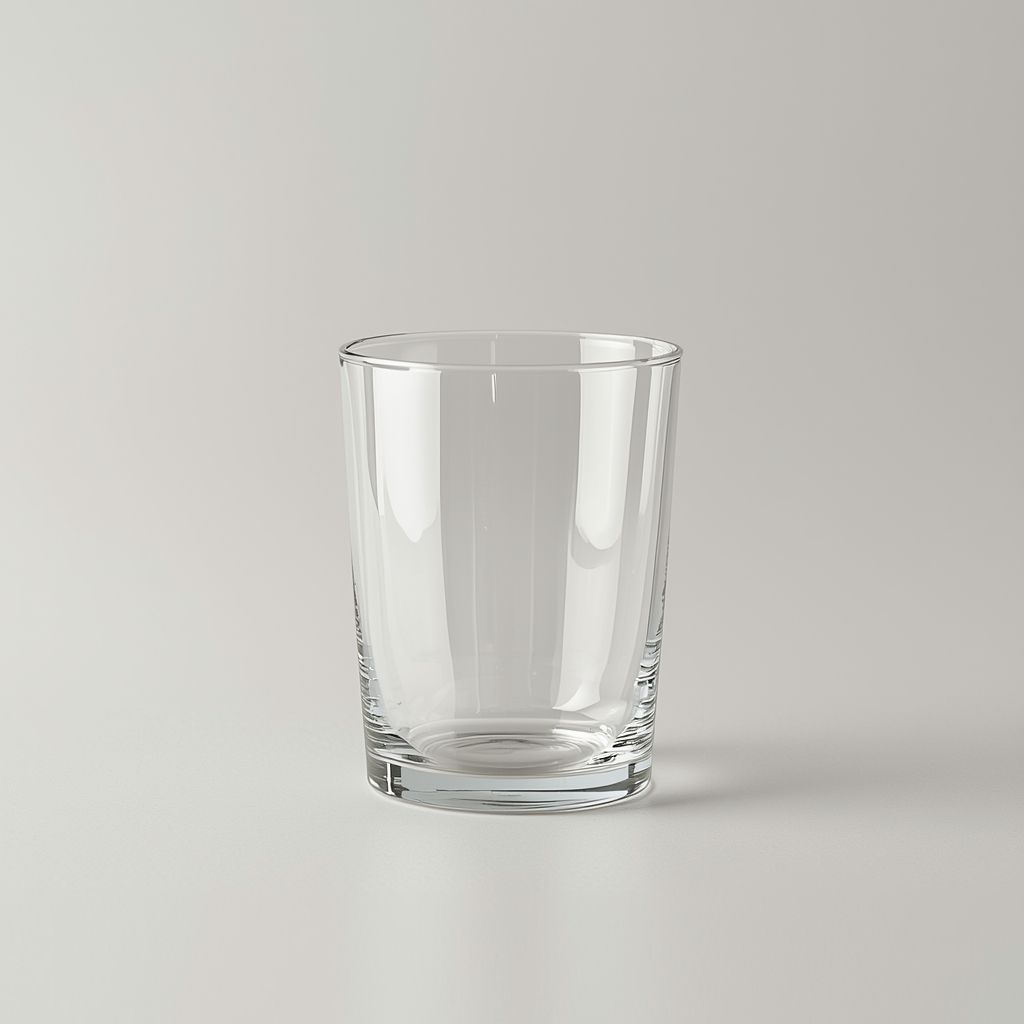
  • Can You Put Rocks Glasses in the Dishwasher?

    Can You Put Rocks Glasses in the Dishwasher?

    Yes, you can put rocks glasses in the dishwasher, but caution is advised.

    Many rocks glasses are made from glass or crystal, which can be sensitive to high temperatures and harsh detergents. While some manufacturers may indicate that their products are dishwasher safe, others recommend hand washing to preserve the quality and appearance of the glass.

    Why or Why Not?

    The primary concern with placing rocks glasses in the dishwasher is the potential for damage. High heat can cause thermal shock, leading to cracks or breaks. Additionally, the abrasive nature of dishwasher detergents can dull the surface of the glass over time. If the glasses have any decorative elements or are made from delicate materials, hand washing is usually the safer option.

    What Happens If You Do Anyway?

    If you choose to wash rocks glasses in the dishwasher, you may notice a few issues. Over time, the glasses may become cloudy or scratched, diminishing their aesthetic appeal. In some cases, the glasses may chip or crack due to the intense heat and pressure of the dishwasher cycle. This can lead to the need for replacement, which is often more costly than simply hand washing.

    Manufacturer Guidance (General)

    Most manufacturers provide specific care instructions for their glassware. It is essential to check the label or packaging for any recommendations regarding dishwasher use. If the manufacturer indicates that the glasses are dishwasher safe, it is generally safe to use the top rack of the dishwasher, where the heat is less intense. However, if there are no clear instructions, erring on the side of caution and opting for hand washing is advisable.

    Safer Way to Clean It

    The safest way to clean rocks glasses is by hand washing them. Use warm water and a mild dish soap to gently scrub the glasses with a soft sponge. Avoid using abrasive pads or harsh chemicals, as these can scratch or damage the surface. Rinse thoroughly with clean water and dry with a soft cloth to prevent water spots.

    Frequently Asked Questions

    Q: Can I wash rocks glasses with other dishes in the dishwasher?
    A: It is best to wash rocks glasses separately to prevent them from getting scratched or damaged by heavier items.

    Q: What should I do if my rocks glass gets cloudy?
    A: Cloudiness can often be removed by soaking the glass in a mixture of vinegar and water, followed by gentle scrubbing.

    Q: Are all rocks glasses dishwasher safe?
    A: Not all rocks glasses are dishwasher safe. Always check the manufacturer’s instructions for specific care guidelines.

  • Can You Put Lowball Glasses in the Dishwasher?

    Can You Put Lowball Glasses in the Dishwasher?

    Yes.

    Lowball glasses can generally be placed in the dishwasher, but there are important considerations to keep in mind.

    Why or Why Not?

    Lowball glasses are often made from glass or crystal, materials that can be sensitive to high temperatures and harsh detergents. While many lowball glasses are labeled as dishwasher safe, some may not withstand the rigors of a dishwasher cycle. The potential for chipping, cracking, or clouding can increase if the glasses are not designed for such cleaning methods.

    What Happens If You Do Anyway?

    If you place lowball glasses in the dishwasher without checking their compatibility, you risk damaging them. Glasses may come out with scratches or a cloudy appearance due to the abrasive nature of dishwasher detergents. Additionally, if the glasses are not securely placed, they may collide with other items, leading to breakage.

    Manufacturer Guidance (General)

    Most manufacturers provide specific care instructions for their glassware. It is advisable to check the packaging or the manufacturer’s website for guidance on whether the lowball glasses are dishwasher safe. If the glasses are labeled as dishwasher safe, it is still recommended to use a gentle cycle and avoid high heat settings.

    Safer Way to Clean It

    The safest way to clean lowball glasses is by hand washing them. Use warm water and a mild dish soap with a soft sponge to avoid scratching. Rinse thoroughly and dry with a soft cloth to prevent water spots. This method helps maintain the clarity and integrity of the glass over time.

    Frequently Asked Questions

    Q: Can all lowball glasses go in the dishwasher?
    A: Not all lowball glasses are dishwasher safe. Always check the manufacturer’s instructions.

    Q: What should I do if my lowball glasses are cloudy?
    A: Cloudiness can be removed by soaking the glasses in a mixture of vinegar and water, then rinsing thoroughly.

    Q: Is it safe to use high heat settings in the dishwasher for glassware?
    A: High heat settings can increase the risk of damage. It is best to use a gentle cycle for glassware.

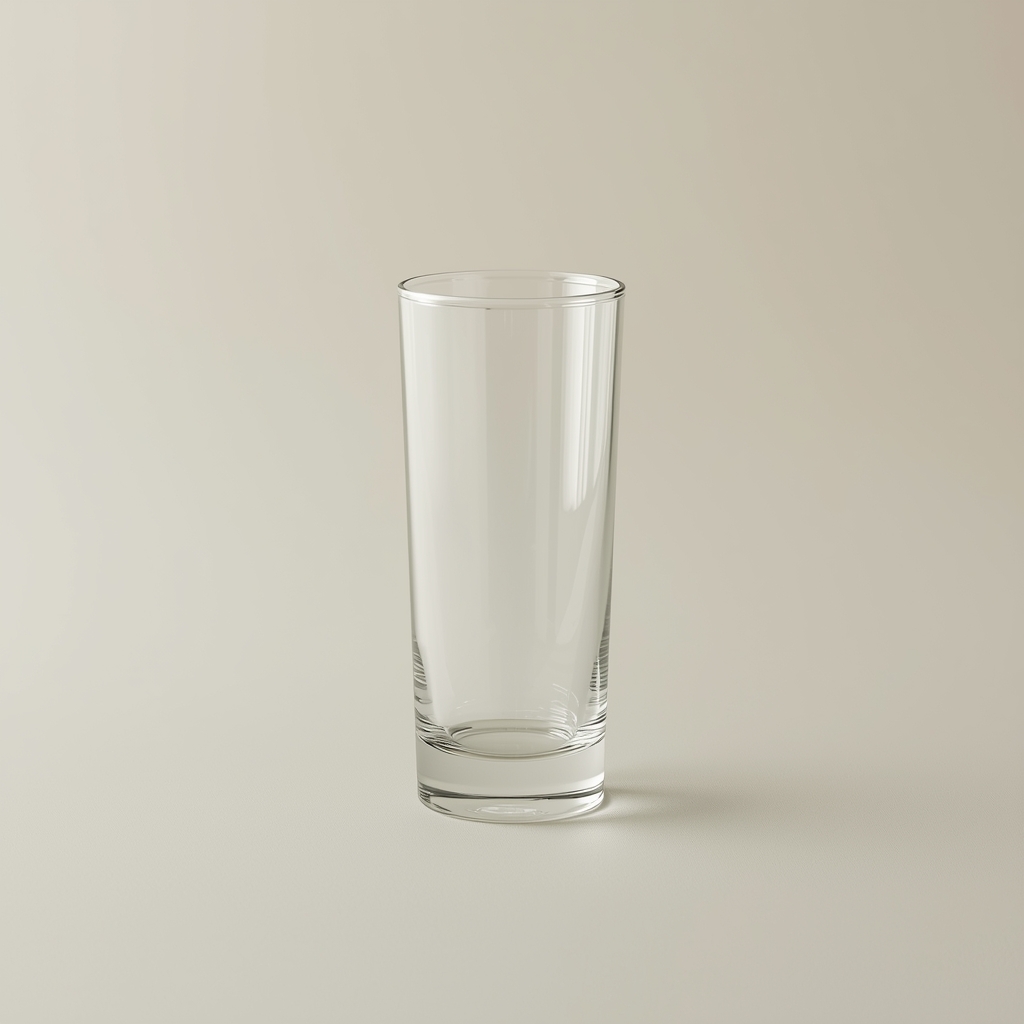
  • Can You Put Highball Glasses in the Dishwasher?

    Can You Put Highball Glasses in the Dishwasher?

    Yes.

    Highball glasses can generally be placed in the dishwasher, but there are important considerations to keep in mind.

    Why or Why Not?

    Highball glasses are often made from glass or crystal, materials that can withstand the heat and water pressure of a dishwasher. However, some highball glasses may have decorative elements or coatings that could be damaged in the dishwasher. Additionally, the high temperatures and harsh detergents used in dishwashers can lead to etching or cloudiness over time.

    What Happens If You Do Anyway?

    If you choose to wash highball glasses in the dishwasher, you may notice a few potential outcomes. Over time, the glass may become less clear due to etching, which is a result of the glass reacting with the dishwasher detergent. Decorative elements may fade or chip, and the glasses may not retain their original shine. In some cases, if the glasses are not securely placed in the dishwasher, they may collide with other items and break.

    Manufacturer Guidance (General)

    Most manufacturers provide guidelines regarding the care of their glassware. It is advisable to check the specific care instructions for your highball glasses. Some manufacturers may recommend hand washing to preserve the integrity of the glass, while others may indicate that their products are dishwasher safe. Always follow the manufacturer’s recommendations to ensure the longevity of your glassware.

    Safer Way to Clean It

    The safest way to clean highball glasses is by hand washing them. Use warm water and a mild dish soap along with a soft sponge or cloth. Avoid abrasive cleaners or scrubbers that can scratch the surface. Rinse thoroughly and dry with a soft towel to prevent water spots. This method helps maintain the clarity and quality of the glass over time.

    Frequently Asked Questions

    Q: Can all highball glasses go in the dishwasher?
    A: Not all highball glasses are dishwasher safe. Check the manufacturer’s guidelines for specific care instructions.

    Q: What is the best way to prevent etching on highball glasses?
    A: Hand washing with mild soap and a soft cloth is the best way to prevent etching and maintain clarity.

    Q: Are there any highball glasses specifically designed for dishwashers?
    A: Yes, some highball glasses are specifically labeled as dishwasher safe. Always verify before placing them in the dishwasher.

  • Can You Put Water Glasses in the Dishwasher?

    Can You Put Water Glasses in the Dishwasher?

    Yes, you can put some water glasses in the dishwasher.

    However, this depends on the material and construction of the glasses. Many modern glassware items are designed to withstand the heat and pressure of a dishwasher cycle, but not all are created equal.

    Why or Why Not?

    Water glasses made from tempered glass or those labeled as dishwasher-safe can typically be placed in the dishwasher without issue. These types of glass are engineered to endure thermal shock and resist breaking. On the other hand, delicate glassware, such as crystal or hand-blown pieces, may not be suitable for the dishwasher due to their fragile nature.

    Using the dishwasher can save time and effort, but it can also lead to potential damage if the glasses are not dishwasher-safe. High temperatures and harsh detergents can cause etching or cloudiness over time, especially on softer glass materials.

    What Happens If You Do Anyway?

    If you place non-dishwasher-safe glasses in the dishwasher, several outcomes are possible. The glasses may chip, crack, or shatter due to the heat and movement during the wash cycle. Additionally, the finish may become dull or scratched, affecting the aesthetic appeal of the glassware.

    In some cases, the glasses may survive the wash cycle but could still suffer from long-term damage, such as weakened structural integrity. This could lead to breakage during future use.

    Manufacturer Guidance (General)

    Most manufacturers provide specific care instructions for their glass products. It is essential to check the bottom of the glass or the packaging for any symbols indicating whether the item is dishwasher-safe. If no information is available, err on the side of caution and hand wash the glasses.

    Some manufacturers may recommend placing glasses on the top rack of the dishwasher, where the heat is less intense. Using a gentle cycle can also help minimize potential damage.

    Safer Way to Clean It

    If you are unsure about the dishwasher’s safety for your water glasses, hand washing is the safest option. Use warm water and a mild dish soap, along with a soft sponge or cloth to avoid scratching. Rinse thoroughly and allow the glasses to air dry to prevent water spots.

    For stubborn stains or residues, soaking the glasses in warm, soapy water for a few minutes can help loosen debris before gentle scrubbing.

    Frequently Asked Questions

    Q: Can I wash crystal glasses in the dishwasher?
    A: It is generally not recommended to wash crystal glasses in the dishwasher due to their delicate nature.

    Q: How can I tell if my glasses are dishwasher-safe?
    A: Look for a dishwasher-safe symbol on the bottom of the glass or check the manufacturer’s guidelines.

    Q: What should I do if my glasses become cloudy?
    A: Cloudiness can often be removed with a mixture of vinegar and water or by using a specialized glass cleaner.

  • Can You Put Drinking Glasses in the Dishwasher?

    Can You Put Drinking Glasses in the Dishwasher?

    Yes

    Drinking glasses can generally be placed in the dishwasher, but there are important considerations to keep in mind.

    Why or Why Not?

    Many drinking glasses are designed to withstand the heat and water pressure of a dishwasher. However, not all glasses are created equal. Some materials, such as crystal or certain types of glass, may be more susceptible to damage. The high temperatures and harsh detergents can cause etching, cloudiness, or even breakage over time.

    What Happens If You Do Anyway?

    If you place inappropriate drinking glasses in the dishwasher, you may notice several issues. Glasses can become scratched or develop a cloudy appearance. In some cases, they may chip or crack due to the intense environment of the dishwasher. This can lead to the need for replacement, which can be costly.

    Manufacturer Guidance (General)

    Most manufacturers provide guidelines on whether their drinking glasses are dishwasher safe. It is advisable to check the bottom of the glass or the packaging for any symbols indicating dishwasher safety. If no information is available, err on the side of caution and hand wash the glasses to preserve their quality.

    Safer Way to Clean It

    If you are unsure about the dishwasher safety of your drinking glasses, hand washing is a safer alternative. Use warm water and a mild detergent. A soft sponge or cloth will help prevent scratches. Rinse thoroughly and allow them to air dry to avoid water spots.

    Frequently Asked Questions

    Q: Can all types of glass go in the dishwasher?
    A: No, not all types of glass are dishwasher safe. Check for manufacturer guidelines.

    Q: What should I do if my glass gets cloudy?
    A: Cloudiness can often be removed with a mixture of vinegar and water, but prevention is key.

    Q: Is it safe to wash glassware with metal items?
    A: It is best to keep glassware separate from metal items to avoid scratching and potential damage.

  • Can You Put Glasses in the Dishwasher?

    Can You Put Glasses in the Dishwasher?

    Yes, you can put glasses in the dishwasher, but it is not always recommended.

    While many glasses are labeled as dishwasher safe, certain types may not withstand the high temperatures and harsh detergents used in dishwashers. It is essential to consider the material and construction of the glasses before placing them in the dishwasher.

    Why or Why Not?

    Glasses made from tempered glass or those specifically marked as dishwasher safe can typically handle the dishwasher’s environment. However, delicate glasses, such as crystal or those with decorative elements, may become damaged or lose their luster over time. The high heat and strong water pressure can lead to chipping, cracking, or cloudiness.

    What Happens If You Do Anyway?

    If you place non-dishwasher safe glasses in the dishwasher, you risk damaging them. This can manifest as scratches, chips, or even complete breakage. Additionally, the dishwasher’s detergent may cause discoloration or dullness in the glass surface. Over time, repeated exposure can significantly reduce the lifespan of your glasses.

    Manufacturer Guidance (General)

    Most manufacturers provide guidelines regarding the care of their products. It is advisable to check the bottom of the glass or the packaging for any symbols indicating whether the item is dishwasher safe. If no information is available, err on the side of caution and wash the glasses by hand.

    Safer Way to Clean It

    The safest way to clean glasses, especially those that are delicate or valuable, is to wash them by hand. Use warm water and a mild dish soap, along with a soft sponge or cloth. Rinse thoroughly and dry with a lint-free towel to prevent water spots. This method helps maintain the clarity and integrity of the glass.

    Frequently Asked Questions

    Q: Can I wash all types of glasses in the dishwasher?
    A: No, not all glasses are dishwasher safe. Check for manufacturer guidelines.

    Q: What types of glasses should I avoid putting in the dishwasher?
    A: Avoid washing crystal, hand-painted, or delicate glasses in the dishwasher.

    Q: How can I tell if my glasses are dishwasher safe?
    A: Look for a dishwasher safe symbol on the bottom of the glass or consult the manufacturer’s instructions.

  • Can You Put Saucers in the Dishwasher?

    Can You Put Saucers in the Dishwasher?

    Why or Why Not?

    Yes, you can put saucers in the dishwasher, but it depends on the material they are made from. Many saucers are designed to withstand the heat and water pressure of a dishwasher. However, some materials may not be dishwasher safe, which could lead to damage over time.

    What Happens If You Do Anyway?

    If you place saucers that are not dishwasher safe in the dishwasher, several issues may arise. The saucers could chip, crack, or fade due to the high temperatures and harsh detergents used in dishwashers. Additionally, any decorative elements may wear off, leading to a less appealing appearance.

    Manufacturer Guidance (General)

    Most manufacturers provide specific care instructions for their products. It is essential to check the bottom of the saucer or the packaging for any symbols indicating whether it is dishwasher safe. If there is no clear indication, it is safer to assume that hand washing is the best option.

    Safer Way to Clean It

    The safest way to clean saucers, especially those made from delicate materials, is to hand wash them. Use warm water and a mild detergent, and avoid abrasive sponges that could scratch the surface. Rinse thoroughly and allow them to air dry to maintain their quality.

    Frequently Asked Questions

    Q: Can I wash porcelain saucers in the dishwasher?
    A: Most porcelain saucers are dishwasher safe, but always check for manufacturer guidelines.

    Q: What materials should I avoid putting in the dishwasher?
    A: Avoid placing saucers made from wood, certain plastics, or those with metallic accents in the dishwasher.

    Q: How can I tell if my saucer is dishwasher safe?
    A: Look for a dishwasher-safe symbol on the bottom of the saucer or refer to the manufacturer’s care instructions.

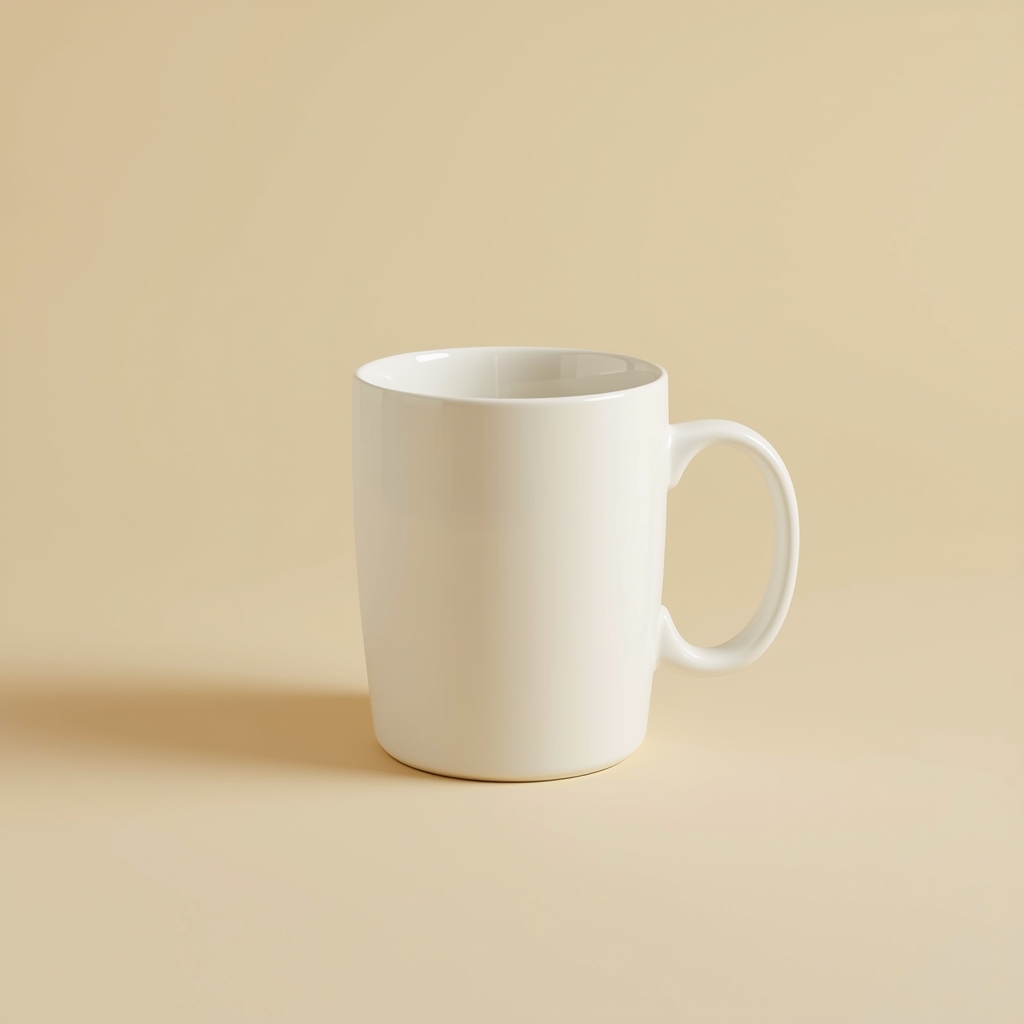
  • Can You Put Tea Mugs in the Dishwasher?

    Can You Put Tea Mugs in the Dishwasher?

    Yes, you can put tea mugs in the dishwasher, but it depends on the material and design.

    Why or Why Not?

    Tea mugs are often made from various materials, including ceramic, glass, stainless steel, and plastic. Most ceramic and glass mugs are dishwasher-safe, but some may have decorative elements that can be damaged in the dishwasher. Stainless steel mugs are typically safe as well, but plastic mugs may warp or discolor over time. Always check the manufacturer’s instructions to ensure that your specific mug is dishwasher-safe.

    What Happens If You Do Anyway?

    If you place a non-dishwasher-safe mug in the dishwasher, several issues may arise. Decorative finishes may fade or chip, and the mug could become discolored. In some cases, the heat and water pressure can cause cracks or breakage. If the mug is made from a material that is not designed for high temperatures, it may warp or lose its shape.

    Manufacturer Guidance (General)

    Most manufacturers provide guidance on whether their tea mugs are dishwasher-safe. Look for symbols on the bottom of the mug or packaging that indicate dishwasher compatibility. If no information is available, it is safer to hand wash the mug to avoid potential damage. When in doubt, consult the manufacturer’s website or customer service for clarification.

    Safer Way to Clean It

    If you are unsure about putting your tea mug in the dishwasher, hand washing is a reliable alternative. Use warm water and mild dish soap to gently clean the mug. A soft sponge or cloth is ideal to avoid scratching the surface. Rinse thoroughly and allow the mug to air dry. This method helps preserve the mug’s appearance and longevity.

    Frequently Asked Questions

    Q: Can I put my travel mug in the dishwasher?
    A: It depends on the travel mug’s material. Many stainless steel travel mugs are dishwasher-safe, but check for any specific instructions from the manufacturer.

    Q: Will the dishwasher damage my ceramic tea mug?
    A: Most ceramic mugs are dishwasher-safe, but those with decorative finishes may be at risk of damage. Always verify with the manufacturer.

    Q: How can I tell if my mug is dishwasher-safe?
    A: Look for dishwasher-safe symbols on the mug or packaging. If unsure, consult the manufacturer’s guidelines or opt for hand washing.