Category: Coffee & Tea Gear

  • Can You Put Matcha Whisk Holders in the Dishwasher?

    Can You Put Matcha Whisk Holders in the Dishwasher?

    Yes.

    Matcha whisk holders can typically be placed in the dishwasher, but it is important to consider a few factors before doing so.

    Why or Why Not?

    Dishwashers use high temperatures and strong detergents that may not be suitable for all materials. If the matcha whisk holder is made from ceramic or plastic, it may withstand the dishwasher’s environment. However, if it is made from bamboo or other natural materials, it is advisable to avoid the dishwasher.

    Using a dishwasher can lead to potential damage, such as warping or cracking, especially for delicate materials. Additionally, the high heat can degrade the integrity of the holder over time.

    What Happens If You Do Anyway?

    If you choose to wash a matcha whisk holder in the dishwasher, you may notice some adverse effects. For ceramic or plastic holders, the finish may dull, and colors may fade. For bamboo holders, the heat and moisture can cause the wood to swell, crack, or lose its shape.

    Furthermore, the strong detergents used in dishwashers can strip away any natural oils in wooden products, leading to a dry and brittle texture. This can ultimately shorten the lifespan of the whisk holder.

    Manufacturer Guidance (General)

    Most manufacturers recommend hand washing matcha whisk holders to ensure their longevity. They typically suggest using warm water and a mild soap to clean the holder gently. Avoiding abrasive sponges or harsh chemicals is also advised to prevent damage.

    Always check the care instructions provided by the manufacturer for specific guidance on cleaning and maintenance. This will help you preserve the quality and appearance of your matcha whisk holder.

    Safer Way to Clean It

    The safest way to clean a matcha whisk holder is by hand washing. Use warm water and a soft sponge or cloth to gently scrub the surface. If necessary, a mild dish soap can be added to help remove any residue.

    After washing, rinse thoroughly with clean water to remove any soap residue. Allow the holder to air dry completely before storing it. This method ensures that the holder remains in good condition and lasts longer.

    Frequently Asked Questions

    Q: Can I use bleach to clean my matcha whisk holder?
    A: No, bleach can damage the material and finish of the holder.

    Q: How often should I clean my matcha whisk holder?
    A: It is recommended to clean it after each use to maintain hygiene and quality.

    Q: Is it safe to soak my matcha whisk holder in water?
    A: Soaking is not recommended, especially for wooden holders, as it can lead to warping.
  • Can You Put Matcha Whisks in the Dishwasher?

    Can You Put Matcha Whisks in the Dishwasher?

    Yes, you can put matcha whisks in the dishwasher, but it is not recommended.

    While many kitchen utensils are dishwasher-safe, matcha whisks are typically made from delicate materials that can be damaged in the dishwasher. The high heat and harsh detergents can affect the integrity of the whisk, leading to a shorter lifespan.

    What Happens If You Do Anyway?

    If you choose to put a matcha whisk in the dishwasher, you may notice several negative outcomes. The bristles can become bent or misshapen, which affects their ability to froth matcha effectively. Additionally, the heat can cause any wooden components to warp or crack, compromising the whisk’s functionality.

    Manufacturer Guidance (General)

    Most manufacturers recommend hand washing matcha whisks. They suggest using warm water and a gentle brush to clean the bristles. This method helps maintain the whisk’s shape and ensures it remains effective for frothing matcha. Always refer to the specific care instructions provided by the manufacturer for the best results.

    Safer Way to Clean It

    The safest way to clean a matcha whisk is to rinse it immediately after use. Use warm water to remove any matcha residue. If needed, a soft brush can be used to gently clean between the bristles. Allow the whisk to air dry completely before storing it to prevent mold growth.

    Frequently Asked Questions

    Q: Can I soak my matcha whisk in water?
    A: Soaking is not recommended as it can weaken the bristles and cause them to lose their shape.

    Q: How often should I clean my matcha whisk?
    A: It is best to clean your matcha whisk after every use to maintain its performance.

    Q: Is it safe to use soap on my matcha whisk?
    A: Mild soap can be used occasionally, but it is generally better to clean with just water to avoid residue.

  • Can You Put Matcha Bowls in the Dishwasher?

    Can You Put Matcha Bowls in the Dishwasher?

    Yes.

    Matcha bowls can generally be placed in the dishwasher, but there are important considerations to keep in mind.

    Why or Why Not?

    Many matcha bowls are made from materials that are dishwasher safe, such as ceramic or glass. However, some bowls may have delicate finishes or decorations that could be damaged in the dishwasher. High temperatures and harsh detergents can also affect the integrity of the bowl over time.

    What Happens If You Do Anyway?

    If you choose to put a matcha bowl in the dishwasher, you may risk chipping or scratching the surface. Additionally, if the bowl has any metallic accents or glazes, these could tarnish or fade. Over time, repeated dishwasher use may lead to a dull appearance and reduced lifespan of the bowl.

    Manufacturer Guidance (General)

    Always refer to the manufacturer’s guidelines for specific cleaning instructions. Many manufacturers provide care recommendations that specify whether their products are dishwasher safe. If the bowl is labeled as dishwasher safe, it is usually safe to wash it in the dishwasher, preferably on a gentle cycle.

    Safer Way to Clean It

    The safest way to clean a matcha bowl is by hand. Use warm water and a mild detergent to gently scrub the bowl with a soft sponge. Avoid abrasive materials that could scratch the surface. Rinse thoroughly and allow it to air dry to maintain its appearance and longevity.

    Frequently Asked Questions

    Q: Can I use bleach to clean my matcha bowl?
    A: It is not recommended to use bleach, as it can damage the bowl’s material and finish.

    Q: Is it safe to use a dishwasher for all types of matcha bowls?
    A: Not all matcha bowls are dishwasher safe. Always check the manufacturer’s instructions.

    Q: How can I remove stubborn stains from my matcha bowl?
    A: Soaking the bowl in warm soapy water and using a soft sponge usually helps remove stubborn stains.

  • Can You Put Tea Trays in the Dishwasher?

    Can You Put Tea Trays in the Dishwasher?

    Yes, you can put some tea trays in the dishwasher, but it depends on the material.

    Many tea trays are made from materials that can withstand the dishwasher’s heat and water pressure. However, certain materials may not be suitable for dishwasher cleaning.

    Why or Why Not?

    Tea trays made from stainless steel, glass, or certain plastics are generally dishwasher safe. These materials can handle high temperatures and are resistant to water damage. On the other hand, wooden tea trays, those with intricate designs, or trays made from delicate materials may warp, crack, or lose their finish in the dishwasher.

    What Happens If You Do Anyway?

    If you place a non-dishwasher-safe tea tray in the dishwasher, you risk damaging the tray. Wooden trays may absorb water, leading to warping or splitting. Trays with painted or decorated surfaces may lose their finish or color. Additionally, fragile materials can break or chip during the wash cycle.

    Manufacturer Guidance (General)

    Always check the manufacturer’s guidelines for cleaning instructions. Many manufacturers provide specific care instructions that indicate whether the tray is dishwasher safe. If the information is not available, err on the side of caution and hand wash the tray.

    Safer Way to Clean It

    The safest way to clean a tea tray, especially if it is made from sensitive materials, is to hand wash it. Use warm, soapy water and a soft sponge to gently scrub the surface. Rinse thoroughly and dry immediately to prevent water spots or damage.

    Frequently Asked Questions

    Q: Can I wash a wooden tea tray in the dishwasher?
    A: No, it is not recommended to wash wooden tea trays in the dishwasher as they can warp or crack.

    Q: Are glass tea trays dishwasher safe?
    A: Yes, most glass tea trays are dishwasher safe, but check for any specific care instructions.

    Q: How should I clean a metal tea tray?
    A: Metal tea trays are generally dishwasher safe, but hand washing is often recommended to maintain their shine.

  • Can You Put Tea Scoops in the Dishwasher?

    Can You Put Tea Scoops in the Dishwasher?

    Yes, you can put tea scoops in the dishwasher.

    However, whether you should do so depends on the material of the tea scoop.

    Why or Why Not?

    Many tea scoops are made from stainless steel, silicone, or plastic. Stainless steel scoops are generally dishwasher-safe and can withstand high temperatures. Silicone scoops are also typically safe for the dishwasher, but it is advisable to check the manufacturer’s instructions. Plastic scoops may not be as durable and could warp or degrade over time in the dishwasher.

    What Happens If You Do Anyway?

    If you place a non-dishwasher-safe tea scoop in the dishwasher, it may become warped, discolored, or damaged. This can affect its functionality and lifespan. Additionally, if the scoop is made from a material that is not heat-resistant, it could potentially release harmful chemicals when exposed to high temperatures.

    Manufacturer Guidance (General)

    Most manufacturers provide specific care instructions for their products. It is essential to refer to these guidelines to determine if your tea scoop is dishwasher-safe. If the scoop is labeled as dishwasher-safe, it is usually safe to place it on the top rack of the dishwasher. If not, hand washing is recommended to preserve its quality.

    Safer Way to Clean It

    The safest way to clean a tea scoop, especially if you are unsure about its material, is to wash it by hand. Use warm soapy water and a soft sponge to gently scrub the scoop. Rinse thoroughly and allow it to air dry. This method helps maintain the integrity of the scoop and ensures it remains in good condition for future use.

    Frequently Asked Questions

    Q: Can I use abrasive cleaners on my tea scoop?
    A: No, abrasive cleaners can scratch and damage the surface of the scoop.

    Q: How often should I clean my tea scoop?
    A: It is best to clean your tea scoop after each use to prevent residue buildup.

    Q: Is it safe to soak my tea scoop in water?
    A: Yes, soaking is safe, but avoid prolonged exposure to water, especially for wooden or porous materials.

  • Can You Put Tea Spoons in the Dishwasher?

    Can You Put Tea Spoons in the Dishwasher?

    Yes, you can put tea spoons in the dishwasher.

    However, there are some important considerations to keep in mind to ensure their longevity and maintain their appearance.

    Why or Why Not?

    Tea spoons are typically made from stainless steel, which is generally dishwasher safe. The high temperatures and detergents used in dishwashers can effectively clean and sanitize utensils. However, certain materials and finishes may not withstand the harsh environment of a dishwasher.

    For example, tea spoons with decorative elements, such as gold plating or intricate designs, may be damaged in the dishwasher. Additionally, if the spoons are made from softer metals or have a non-stick coating, they may not be suitable for dishwasher cleaning.

    What Happens If You Do Anyway?

    If you place tea spoons that are not dishwasher safe in the dishwasher, you risk damaging them. This could result in tarnishing, scratching, or even warping of the material. Over time, repeated exposure to high heat and strong detergents can lead to a dull appearance and loss of shine.

    In some cases, the spoons may also become discolored or develop spots. It is essential to check the manufacturer’s recommendations to avoid these issues.

    Manufacturer Guidance (General)

    Most manufacturers provide specific care instructions for their products. Generally, stainless steel tea spoons are safe for the dishwasher, but it is advisable to check for any specific warnings. Some manufacturers may recommend hand washing to preserve the finish and prevent potential damage.

    Always refer to the care instructions that come with your utensils. If in doubt, hand washing is a safer option that can help maintain the quality of your tea spoons.

    Safer Way to Clean It

    The safest way to clean tea spoons is by hand washing them with mild soap and warm water. Use a soft sponge or cloth to avoid scratching the surface. Rinse thoroughly and dry immediately to prevent water spots.

    If you prefer to use a dishwasher, place the spoons in the top rack to minimize exposure to heat and avoid contact with other utensils that could cause scratching. Use a gentle detergent and avoid high-temperature settings.

    Frequently Asked Questions

    Q: Can I wash silver-plated tea spoons in the dishwasher?
    A: It is not recommended to wash silver-plated tea spoons in the dishwasher as the harsh environment can damage the plating.

    Q: Will my stainless steel tea spoons rust in the dishwasher?
    A: Stainless steel is resistant to rust, but prolonged exposure to moisture and harsh detergents can lead to discoloration.

    Q: How can I restore the shine of my tea spoons?
    A: You can restore the shine by polishing them with a soft cloth and a metal polish specifically designed for stainless steel.

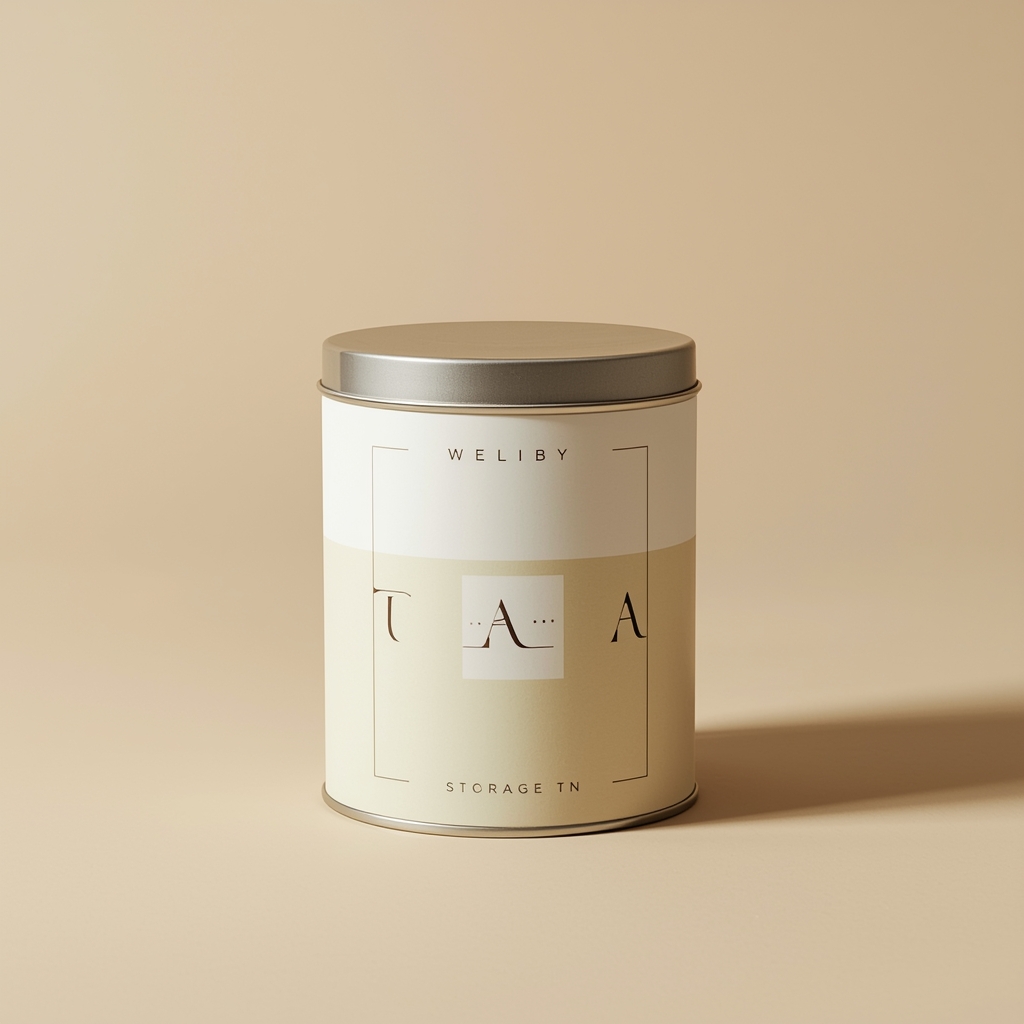
  • Can You Put Tea Storage Tins in the Dishwasher?

    Can You Put Tea Storage Tins in the Dishwasher?

    Yes.

    Tea storage tins can generally be placed in the dishwasher, but caution is advised. The materials used in the construction of the tins can affect their durability and appearance after washing.

    Why or Why Not?

    Many tea storage tins are made from metal, which can withstand the heat and water pressure of a dishwasher. However, some tins may have decorative finishes or labels that could be damaged by high temperatures or harsh detergents. Additionally, if the tin has any plastic components, these may not be dishwasher safe.

    What Happens If You Do Anyway?

    If you place a tea storage tin in the dishwasher, the outcome will depend on its material and construction. Metal tins may come out unscathed, while those with painted or printed designs could lose their finish. Plastic parts may warp or degrade, compromising the tin’s functionality.

    Manufacturer Guidance (General)

    Most manufacturers provide specific cleaning instructions for their products. It is advisable to check the packaging or the manufacturer’s website for guidance on whether the tin is dishwasher safe. If no information is available, err on the side of caution and hand wash the tin.

    Safer Way to Clean It

    The safest way to clean tea storage tins is by hand washing them with warm, soapy water. Use a soft sponge or cloth to avoid scratching the surface. Rinse thoroughly and dry with a soft towel to prevent water spots or rusting.

    Frequently Asked Questions

    Q: Can I use bleach to clean my tea storage tin?
    A: It is not recommended to use bleach, as it can damage the tin’s finish and affect the taste of the tea.

    Q: How often should I clean my tea storage tin?
    A: It is advisable to clean the tin every few months or whenever you change the type of tea stored inside.

    Q: Are there any specific materials I should avoid when choosing a tea storage tin?
    A: Avoid tins with plastic components that are not labeled as dishwasher safe, as they may not withstand high temperatures.

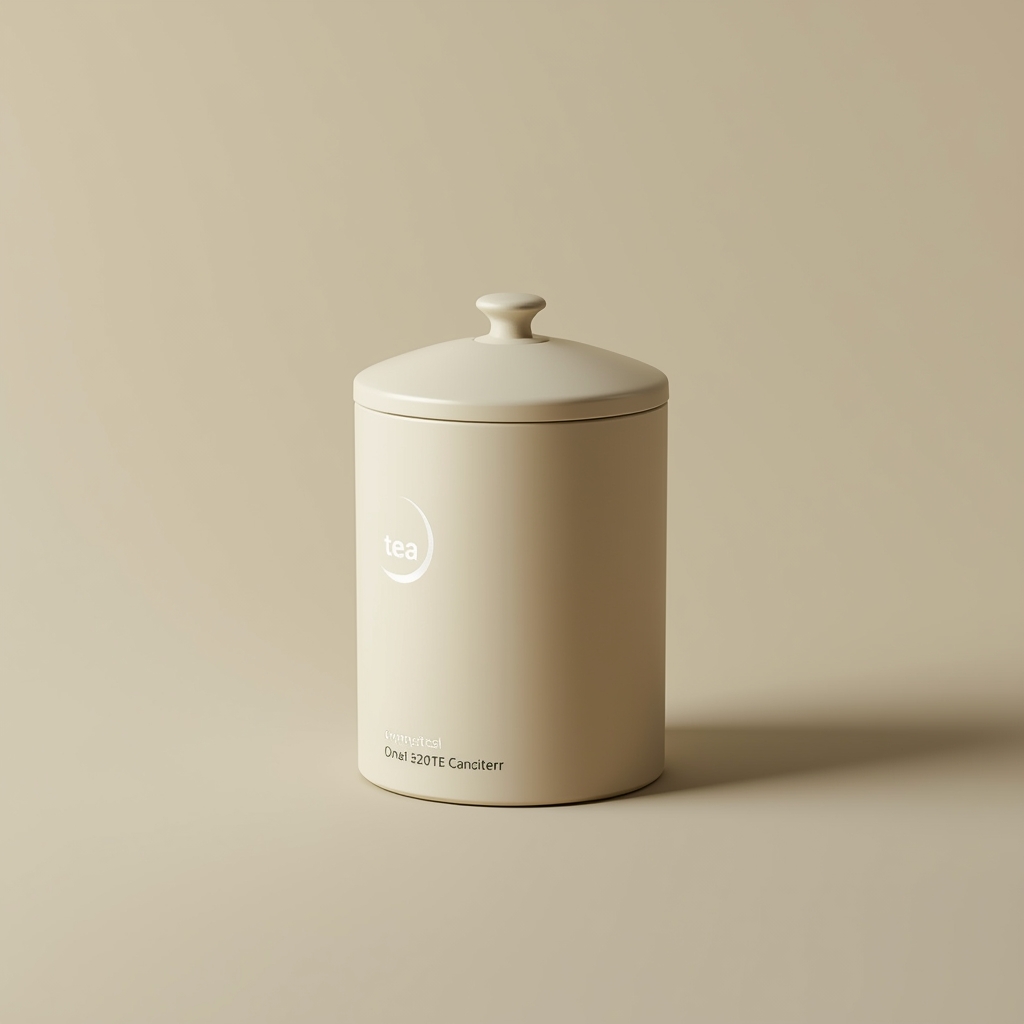
  • Can You Put Tea Canisters in the Dishwasher?

    Can You Put Tea Canisters in the Dishwasher?

    Can you put Tea Canisters in the dishwasher?

    No, it is generally not recommended to put tea canisters in the dishwasher.

    Why or Why Not?

    Tea canisters are often made from materials such as metal, glass, or plastic. Many of these materials can be damaged by the high temperatures and harsh detergents used in dishwashers. Additionally, if the canister has any decorative elements or labels, these may wear off or become damaged during the washing process.

    What Happens If You Do Anyway?

    If you choose to put a tea canister in the dishwasher, you may find that the canister becomes discolored, warped, or scratched. Metal canisters may develop rust or corrosion, while plastic canisters can become brittle or lose their shape. Glass canisters may survive the wash but could still be at risk of chipping or breaking.

    Manufacturer Guidance (General)

    Most manufacturers of tea canisters advise against using a dishwasher for cleaning. Instead, they recommend hand washing with mild soap and warm water. This method is gentler and helps preserve the integrity of the canister.

    Safer Way to Clean It

    The safest way to clean a tea canister is to use a soft cloth or sponge with warm, soapy water. Rinse thoroughly and dry with a soft towel. For stubborn stains or odors, a mixture of baking soda and water can be effective. Avoid abrasive cleaners or scrubbers that could scratch the surface.

    Frequently Asked Questions

    Q: Can I put a glass tea canister in the dishwasher?
    A: It is not recommended, as glass can chip or break in the dishwasher.

    Q: What is the best way to remove tea stains from a canister?
    A: Use a mixture of baking soda and water to scrub the stains gently.

    Q: Are there any tea canisters that are dishwasher safe?
    A: Some manufacturers may specify dishwasher-safe canisters, so always check the product label or guidelines.

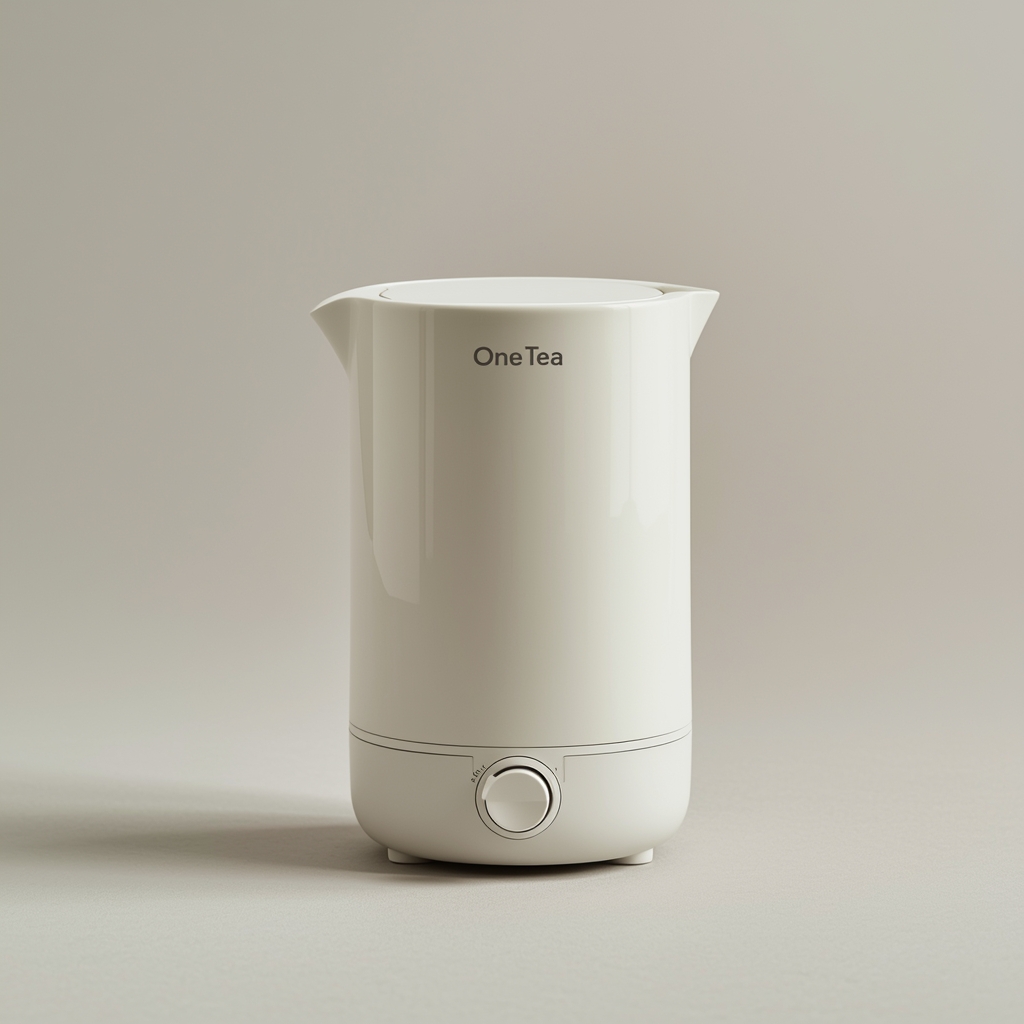
  • Can You Put Tea Warmers in the Dishwasher?

    Can You Put Tea Warmers in the Dishwasher?

    Why or Why Not?

    No, you generally cannot put tea warmers in the dishwasher. Most tea warmers are made from materials that can be damaged by the high heat and harsh detergents used in dishwashers. Common materials include ceramic, glass, and certain metals, which may not withstand the dishwasher’s environment.

    What Happens If You Do Anyway?

    If you place a tea warmer in the dishwasher, it may become discolored, warped, or cracked. The high temperatures can weaken the structural integrity of the material, leading to potential breakage. Additionally, any decorative elements may fade or peel off, affecting the overall appearance of the tea warmer.

    Manufacturer Guidance (General)

    Most manufacturers recommend hand washing tea warmers with mild soap and warm water. This method is gentler and helps preserve the material and any decorative features. Always check the care instructions provided with your tea warmer, as some may have specific cleaning recommendations based on the material used.

    Safer Way to Clean It

    The safest way to clean a tea warmer is to use a soft sponge or cloth with warm, soapy water. Rinse thoroughly to remove any soap residue. For stubborn stains, a mixture of baking soda and water can be effective. Avoid abrasive cleaners or scrubbers that can scratch the surface.

    Frequently Asked Questions

    Q: Can I use a dishwasher for other types of kitchenware?
    A: Yes, many kitchen items are dishwasher safe, but always check the manufacturer’s guidelines.

    Q: How can I tell if my tea warmer is dishwasher safe?
    A: Look for any labels or instructions that indicate dishwasher safety, or consult the manufacturer’s website.

    Q: What should I do if my tea warmer gets stained?
    A: Use a gentle cleaning solution, like baking soda paste, to treat stains without damaging the surface.

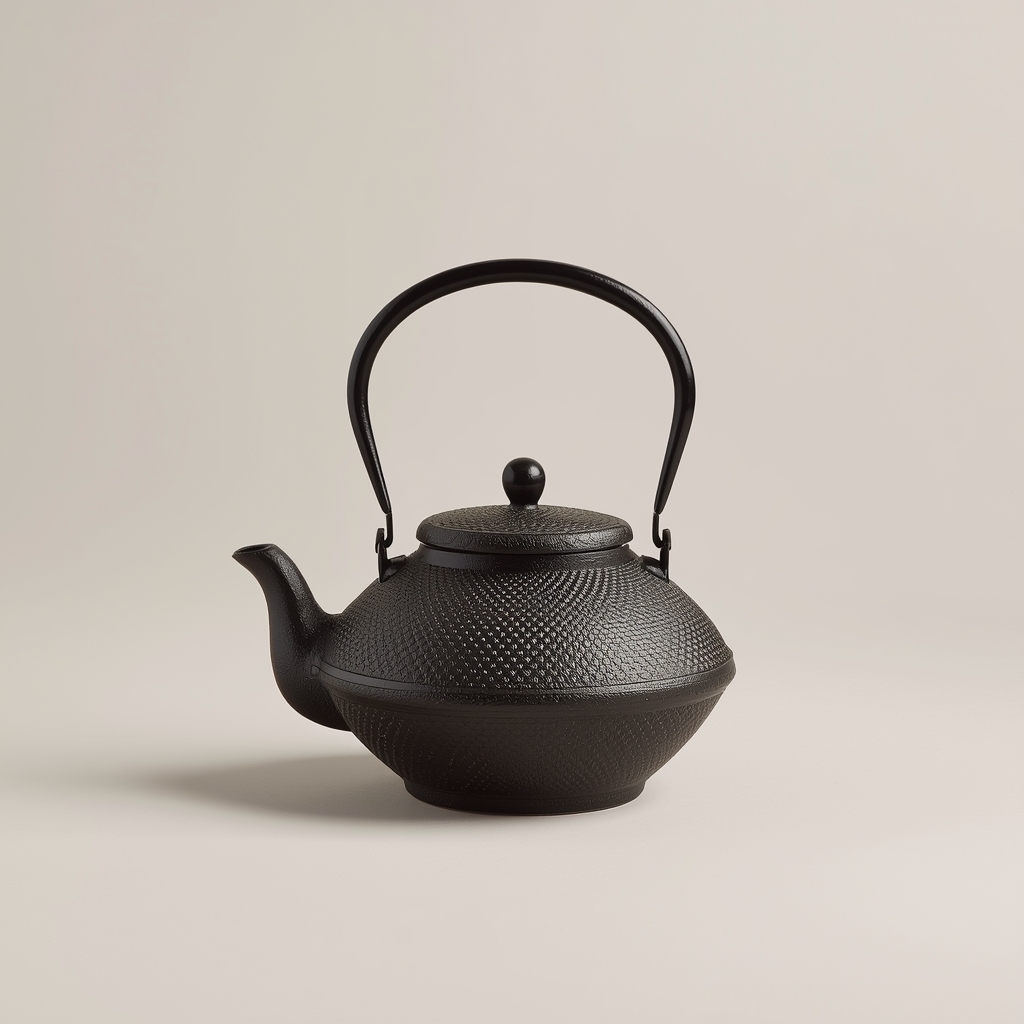
  • Can You Put Cast Iron Tea Pots in the Dishwasher?

    Can You Put Cast Iron Tea Pots in the Dishwasher?

    Why or Why Not?

    No, you should not put cast iron tea pots in the dishwasher. The high heat and harsh detergents used in dishwashers can damage the seasoning of the cast iron. This seasoning is crucial for maintaining the pot’s non-stick surface and preventing rust.

    What Happens If You Do Anyway?

    If you place a cast iron tea pot in the dishwasher, the protective layer may be stripped away. This can lead to rust formation and a loss of flavor in your tea. Additionally, the pot may become discolored and lose its aesthetic appeal.

    Manufacturer Guidance (General)

    Most manufacturers recommend hand washing cast iron tea pots with warm water and a soft sponge. Avoid using soap, as it can remove the seasoning. If necessary, a small amount of mild detergent can be used, but it should be rinsed thoroughly.

    Safer Way to Clean It

    The safest way to clean a cast iron tea pot is to rinse it with warm water immediately after use. For stubborn stains, use a soft brush or sponge. After cleaning, dry the pot completely to prevent rust. You can also apply a light coat of oil to maintain the seasoning.

    Frequently Asked Questions

    Q: Can I use soap on my cast iron tea pot?
    A: It is best to avoid soap, but a small amount of mild detergent can be used if rinsed thoroughly.

    Q: How do I prevent rust on my cast iron tea pot?
    A: Always dry the pot completely after washing and apply a light coat of oil to maintain the seasoning.

    Q: Is it safe to use metal utensils in a cast iron tea pot?
    A: It is advisable to use wooden or silicone utensils to avoid scratching the seasoning.