Category: Appliances & Parts

  • Can You Put Microwave Splatter Covers in the Dishwasher?

    Can You Put Microwave Splatter Covers in the Dishwasher?

    Yes

    Microwave splatter covers can generally be placed in the dishwasher, but it is essential to check the manufacturer’s instructions for specific guidance.

    Why or Why Not?

    Many microwave splatter covers are made from materials that are dishwasher-safe, such as plastic or silicone. These materials can withstand the heat and water pressure of a dishwasher cycle. However, some covers may have coatings or components that could be damaged in a dishwasher, leading to reduced effectiveness or safety concerns.

    What Happens If You Do Anyway?

    If you place a microwave splatter cover in the dishwasher without confirming its compatibility, you risk damaging the cover. This could result in warping, discoloration, or the breakdown of materials. Additionally, if the cover has any metallic components, it could cause sparks or damage to the dishwasher.

    Manufacturer Guidance (General)

    Most manufacturers provide specific cleaning instructions for their products. It is advisable to refer to the packaging or the manufacturer’s website for detailed care guidelines. If the instructions indicate that the cover is dishwasher-safe, it can be placed on the top rack of the dishwasher for cleaning. If not, hand washing is recommended.

    Safer Way to Clean It

    If you are unsure about putting your microwave splatter cover in the dishwasher, hand washing is a safer alternative. Use warm, soapy water and a soft sponge to clean the cover. Rinse thoroughly and allow it to air dry. This method ensures that the cover maintains its integrity and functionality over time.

    Frequently Asked Questions

    Q: Can I use a microwave splatter cover in the oven?
    A: No, microwave splatter covers are designed for microwave use and may not withstand oven temperatures.

    Q: How often should I clean my microwave splatter cover?
    A: It is recommended to clean the cover after each use to prevent buildup of food particles and odors.

    Q: Are there any materials I should avoid in a microwave splatter cover?
    A: Yes, avoid covers with metallic components or those not labeled as microwave-safe.
  • Can You Put Microwave Covers in the Dishwasher?

    Can You Put Microwave Covers in the Dishwasher?

    Yes, you can put some microwave covers in the dishwasher.

    However, it is essential to check the material and manufacturer guidelines before doing so. Not all microwave covers are dishwasher safe, and using a dishwasher can damage certain types.

    Why or Why Not?

    Microwave covers made from materials like glass or certain plastics are often dishwasher safe. These materials can withstand the heat and water pressure of a dishwasher cycle. On the other hand, covers made from softer plastics or those with non-stick coatings may warp or degrade in the dishwasher.

    Additionally, some microwave covers may have decorative elements or coatings that can be damaged in the dishwasher. Therefore, it is crucial to verify the specific product’s compatibility with dishwasher cleaning.

    What Happens If You Do Anyway?

    If you place a non-dishwasher-safe microwave cover in the dishwasher, it may become warped, discolored, or lose its structural integrity. This can lead to a compromised fit when used in the microwave, potentially allowing splatters and spills to occur.

    In some cases, the cover may even melt or release harmful chemicals into the dishwasher, contaminating other items. Therefore, it is advisable to avoid washing incompatible covers in the dishwasher.

    Manufacturer Guidance (General)

    Most manufacturers provide specific cleaning instructions for their products. Always refer to the care label or packaging for guidance on whether the microwave cover is dishwasher safe. If the information is not available, it is safer to assume that it should not be placed in the dishwasher.

    Some manufacturers may recommend hand washing with mild soap and water as the best cleaning method to maintain the integrity of the cover.

    Safer Way to Clean It

    The safest way to clean a microwave cover is to hand wash it. Use warm, soapy water and a soft sponge to gently scrub the surface. Rinse thoroughly and allow it to air dry. This method helps preserve the material and ensures that the cover remains in good condition for future use.

    For stubborn stains, soaking the cover in warm, soapy water for a few minutes can help loosen debris before scrubbing.

    Frequently Asked Questions

    Q: Can I use bleach to clean my microwave cover?
    A: It is not recommended to use bleach, as it can damage the material and affect food safety.

    Q: How often should I clean my microwave cover?
    A: It is advisable to clean the cover after each use to prevent buildup of food particles and odors.

    Q: Are silicone microwave covers dishwasher safe?
    A: Many silicone microwave covers are dishwasher safe, but always check the manufacturer’s instructions to be sure.

  • Can You Put Microwave Trays in the Dishwasher?

    Can You Put Microwave Trays in the Dishwasher?

    Yes, you can put some microwave trays in the dishwasher, but it depends on the material.

    Many microwave trays are designed to withstand high temperatures and can be safely washed in a dishwasher. However, not all trays are created equal, and some materials may not be dishwasher safe.

    Why or Why Not?

    Microwave trays made from glass or certain types of plastic are often dishwasher safe. These materials can handle the heat and moisture of a dishwasher cycle without warping or melting. On the other hand, trays made from low-quality plastics or those with metallic components should not be placed in the dishwasher, as they can be damaged or cause issues with the dishwasher itself.

    What Happens If You Do Anyway?

    If you place a non-dishwasher-safe microwave tray in the dishwasher, it may warp, crack, or melt. This can lead to the tray becoming unusable and potentially damaging other items in the dishwasher. Additionally, if the tray has metallic parts, it could create sparks and pose a fire hazard.

    Manufacturer Guidance (General)

    Always check the manufacturer’s instructions for specific guidance on cleaning your microwave tray. Many manufacturers provide clear labels indicating whether their products are dishwasher safe. If no information is available, it is safer to assume that the tray should not be placed in the dishwasher.

    Safer Way to Clean It

    If you are unsure about putting your microwave tray in the dishwasher, hand washing is a safer alternative. Use warm, soapy water and a soft sponge to clean the tray. This method will help preserve the integrity of the tray while ensuring it is clean and free of food residues.

    Frequently Asked Questions

    Q: Can I wash all types of microwave trays in the dishwasher?
    A: No, not all microwave trays are dishwasher safe. Check the material and manufacturer guidelines.

    Q: What should I do if my microwave tray is damaged?
    A: If your microwave tray is warped or cracked, it is best to replace it to avoid any safety hazards.

    Q: Is hand washing better for microwave trays?
    A: Hand washing is often safer for trays that are not confirmed to be dishwasher safe, as it reduces the risk of damage.

  • Can You Put Microwave Plates in the Dishwasher?

    Can You Put Microwave Plates in the Dishwasher?

    Yes, you can put microwave plates in the dishwasher, but caution is advised.

    Many microwave plates are designed to withstand high temperatures and can be cleaned in a dishwasher. However, not all microwave plates are created equal, and some may not be dishwasher-safe.

    Why or Why Not?

    The primary reason some microwave plates can be placed in the dishwasher is that they are made from materials that can endure the heat and water pressure of a dishwasher cycle. However, certain materials, such as plastic or those with decorative finishes, may warp or degrade over time when exposed to the harsh conditions of a dishwasher.

    Additionally, if the plate has any metal components, it should never be placed in the dishwasher as this can cause damage to both the plate and the dishwasher itself.

    What Happens If You Do Anyway?

    If you put a non-dishwasher-safe microwave plate in the dishwasher, several issues may arise. The plate may warp, crack, or lose its finish, rendering it unusable. In some cases, the heat and water pressure can cause the plate to break, which could lead to potential hazards in your dishwasher.

    Moreover, if the plate contains any metal, it can create sparks and damage the dishwasher’s interior, leading to costly repairs.

    Manufacturer Guidance (General)

    Most manufacturers provide specific cleaning instructions for their microwave plates. It is essential to check the care label or product specifications before placing the plate in the dishwasher. If the manufacturer indicates that the plate is dishwasher-safe, it is generally safe to proceed. If not, hand washing is recommended.

    Safer Way to Clean It

    The safest way to clean a microwave plate is to hand wash it with warm, soapy water. Use a soft sponge to avoid scratching the surface. Rinse thoroughly and allow it to air dry. This method ensures that the plate maintains its integrity and longevity.

    Frequently Asked Questions

    Q: Can all microwave plates go in the dishwasher?
    A: No, not all microwave plates are dishwasher-safe. Always check the manufacturer’s guidelines.

    Q: What should I do if my microwave plate is not dishwasher-safe?
    A: Hand wash the plate using warm, soapy water and a soft sponge.

    Q: Is it safe to put metal microwave plates in the dishwasher?
    A: No, metal microwave plates should never be placed in the dishwasher due to the risk of sparks and damage.

  • Can You Put Microwave Turntables in the Dishwasher?

    Can You Put Microwave Turntables in the Dishwasher?

    Yes, you can put microwave turntables in the dishwasher, but it is not always recommended.

    Many microwave turntables are made from materials that can withstand the dishwasher’s cleaning process. However, certain factors must be considered before placing them in the dishwasher.

    Why or Why Not?

    Microwave turntables are typically made from glass or plastic. Glass turntables are generally safe for the dishwasher, while plastic ones may warp or become damaged due to high temperatures. Additionally, some turntables have components that may not be dishwasher-safe, such as rubber or metal parts.

    What Happens If You Do Anyway?

    If you place a non-dishwasher-safe turntable in the dishwasher, it may warp, crack, or become discolored. This damage can affect the turntable’s functionality, leading to uneven cooking or the inability to rotate properly. Furthermore, if the turntable has any stickers or labels, these may peel off or become damaged in the dishwasher.

    Manufacturer Guidance (General)

    Most manufacturers provide specific cleaning instructions for their products. It is essential to check the user manual or the manufacturer’s website for guidance on whether the turntable is dishwasher-safe. If the manual is unavailable, err on the side of caution and wash it by hand.

    Safer Way to Clean It

    The safest way to clean a microwave turntable is to wash it by hand using warm, soapy water. Use a soft sponge to avoid scratching the surface. Rinse thoroughly and dry with a soft cloth. This method ensures that the turntable remains in good condition and extends its lifespan.

    Frequently Asked Questions

    Q: Can I clean a glass turntable in the dishwasher?
    A: Yes, glass turntables are generally safe for the dishwasher, but check for any specific manufacturer instructions.

    Q: What should I do if my turntable is damaged?
    A: If your turntable is damaged, it is best to replace it to ensure proper microwave functionality.

    Q: How often should I clean my microwave turntable?
    A: It is advisable to clean the turntable after every use to prevent food buildup and odors.

  • Can You Put Microwaves in the Dishwasher?

    Can You Put Microwaves in the Dishwasher?

    Why or Why Not?

    No, you should not put microwaves in the dishwasher. Microwaves contain electronic components and sensitive parts that can be damaged by water and high temperatures. Dishwashers use strong jets of water and high heat to clean dishes, which can lead to malfunctioning or permanent damage to the microwave.

    What Happens If You Do Anyway?

    If you put a microwave in the dishwasher, several issues may arise. Water can seep into the electronic components, causing short circuits. The high heat can warp plastic parts and damage seals, leading to further complications. Even if the microwave appears to work after washing, hidden damage may affect its performance over time.

    Manufacturer Guidance (General)

    Most manufacturers explicitly advise against placing microwaves in dishwashers. They recommend cleaning the interior and exterior with a damp cloth and mild detergent. Always refer to the user manual for specific cleaning instructions tailored to your microwave model.

    Safer Way to Clean It

    A safer way to clean a microwave is to use a mixture of water and vinegar. Place a bowl of this mixture inside the microwave and heat it for a few minutes. The steam will help loosen food particles and odors. Afterward, wipe the interior with a soft cloth. For the exterior, use a damp cloth with a mild cleaner to avoid damaging the surface.

    Frequently Asked Questions

    Q: Can I clean the microwave with a sponge?
    A: Yes, using a soft sponge is safe for cleaning the microwave’s interior and exterior.

    Q: Is it safe to use bleach in the microwave?
    A: No, bleach should not be used in the microwave as it can damage the appliance and create harmful fumes.

    Q: How often should I clean my microwave?
    A: It is recommended to clean your microwave at least once a month or more frequently if spills occur.

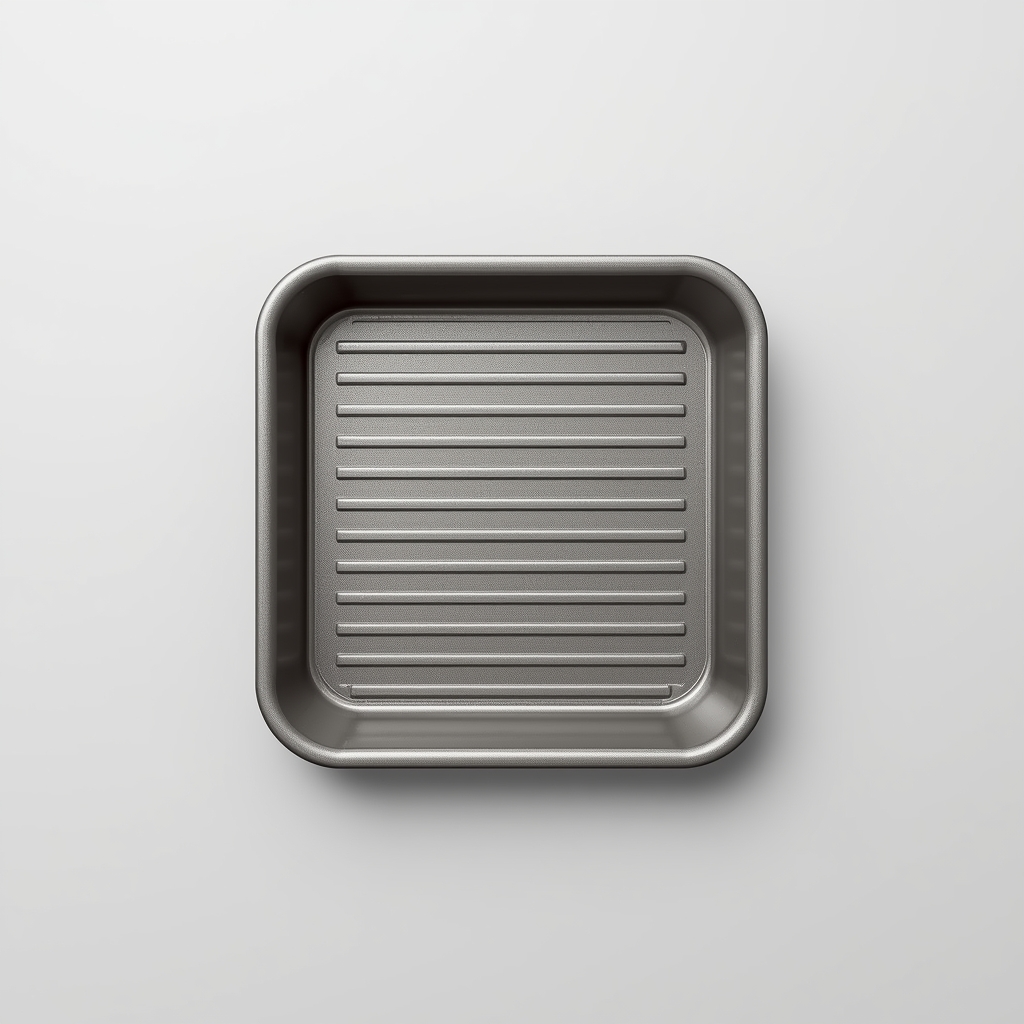
  • Can You Put Toaster Oven Pans in the Dishwasher?

    Can You Put Toaster Oven Pans in the Dishwasher?

    Yes, you can put some toaster oven pans in the dishwasher.

    However, this depends on the material and construction of the pan. Many toaster oven pans are made from materials that are dishwasher safe, while others may not withstand the high temperatures and harsh detergents used in dishwashers.

    Why or Why Not?

    Toaster oven pans made from stainless steel or certain types of glass are generally safe for the dishwasher. These materials can endure the heat and are resistant to staining. On the other hand, non-stick pans may not be suitable for dishwashers as the coating can degrade over time, leading to reduced performance and potential health concerns.

    Additionally, pans with plastic components or those that are painted may not be dishwasher safe. The high heat and water pressure can cause warping or peeling, which compromises the integrity of the pan.

    What Happens If You Do Anyway?

    If you place a non-dishwasher safe toaster oven pan in the dishwasher, you may notice several issues. The non-stick coating can wear off, leading to food sticking to the surface. Plastic parts may melt or warp, rendering the pan unusable. Furthermore, any painted designs may fade or chip away, affecting the pan’s appearance.

    In some cases, using the dishwasher can also void any warranties provided by the manufacturer, as they may specify hand washing only for certain products.

    Manufacturer Guidance (General)

    Always refer to the manufacturer’s instructions for specific guidance on cleaning your toaster oven pans. Most manufacturers will provide information regarding whether their products are dishwasher safe. If the instructions are not available, it is safer to assume that the pan should be hand washed.

    For pans that are labeled as dishwasher safe, it is advisable to place them on the top rack to minimize exposure to high heat and water pressure, which can help prolong their lifespan.

    Safer Way to Clean It

    The safest way to clean toaster oven pans is by hand washing them with warm, soapy water. Use a soft sponge or cloth to avoid scratching the surface. For stubborn stains, soaking the pan in warm, soapy water for a few minutes can help loosen debris. Avoid using abrasive cleaners or scouring pads that can damage the surface.

    After cleaning, rinse thoroughly and dry with a soft cloth to prevent water spots and maintain the pan’s quality.

    Frequently Asked Questions

    Q: Can I use metal utensils on my toaster oven pan?
    A: It is best to avoid metal utensils on non-stick pans to prevent scratching. Use silicone or wooden utensils instead.

    Q: How often should I clean my toaster oven pan?
    A: Clean the pan after each use to prevent buildup of grease and food particles.

    Q: Is it safe to use abrasive cleaners on toaster oven pans?
    A: No, abrasive cleaners can scratch and damage the surface of the pan, especially if it has a non-stick coating.

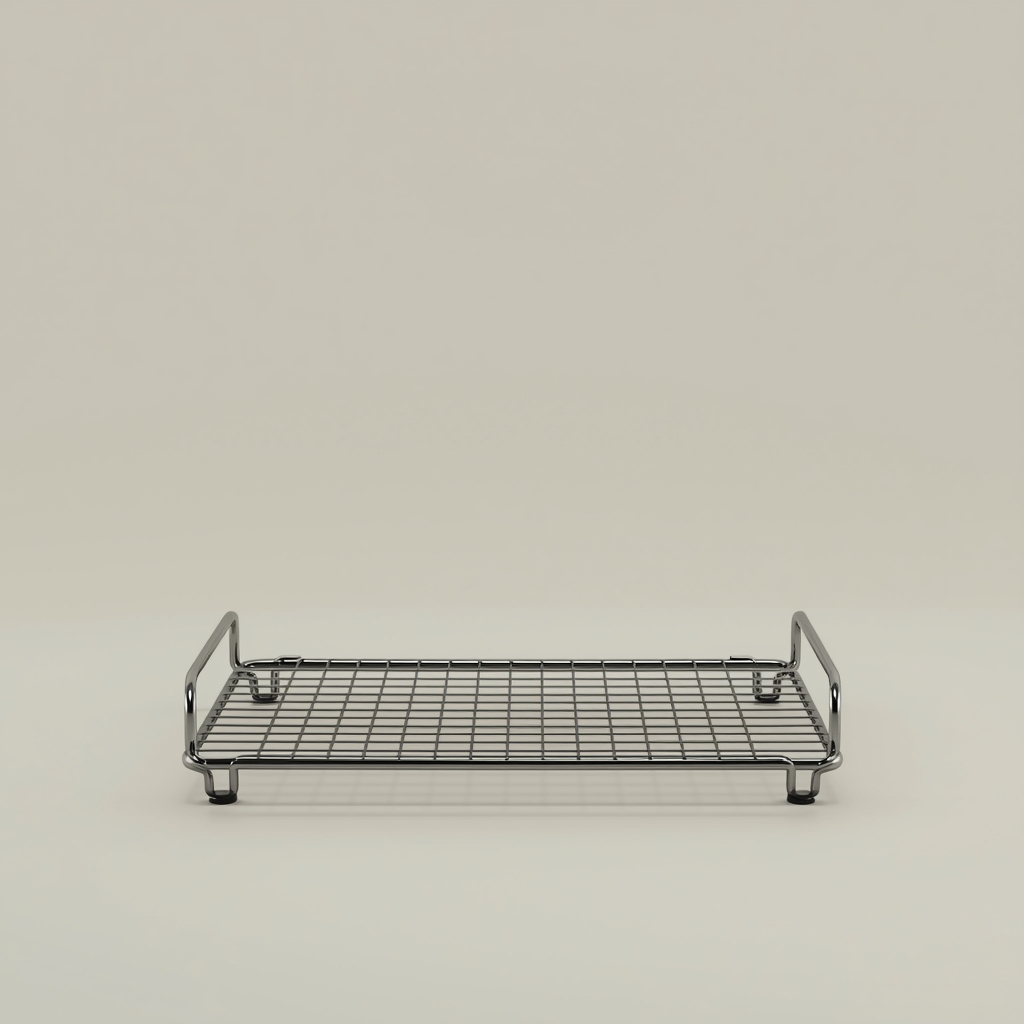
  • Can You Put Toaster Oven Racks in the Dishwasher?

    Can You Put Toaster Oven Racks in the Dishwasher?

    Why or Why Not?

    No, you generally should not put toaster oven racks in the dishwasher. While some racks may be labeled as dishwasher-safe, many are not designed to withstand the high temperatures and harsh detergents used in dishwashers. This can lead to damage or warping of the metal, affecting the performance of the toaster oven.

    What Happens If You Do Anyway?

    If you place a toaster oven rack in the dishwasher, it may come out discolored or warped. The high heat can cause the metal to lose its shape, which can lead to uneven cooking in the future. Additionally, the detergents can strip away any non-stick coatings, making the rack more prone to sticking and harder to clean in the future.

    Manufacturer Guidance (General)

    Most manufacturers recommend hand washing toaster oven racks. They typically advise using warm, soapy water and a non-abrasive sponge to clean the racks. Always refer to the specific care instructions provided by the manufacturer, as some racks may have unique cleaning requirements.

    Safer Way to Clean It

    The safest way to clean a toaster oven rack is to soak it in warm, soapy water for a few minutes. After soaking, use a non-abrasive sponge or cloth to scrub away any food particles. Rinse thoroughly with warm water and dry completely before placing it back in the toaster oven. This method helps maintain the integrity of the rack while ensuring it is clean.

    Frequently Asked Questions

    Q: Can I use a dishwasher for any toaster oven accessories?
    A: Some accessories may be dishwasher-safe, but always check the manufacturer’s guidelines before placing them in the dishwasher.

    Q: What is the best way to remove stubborn stains from a toaster oven rack?
    A: Baking soda mixed with water can create a paste that helps lift stubborn stains. Apply it to the affected areas, let it sit, and then scrub gently.

    Q: How often should I clean my toaster oven rack?
    A: It is advisable to clean the rack after every few uses to prevent buildup of grease and food particles.

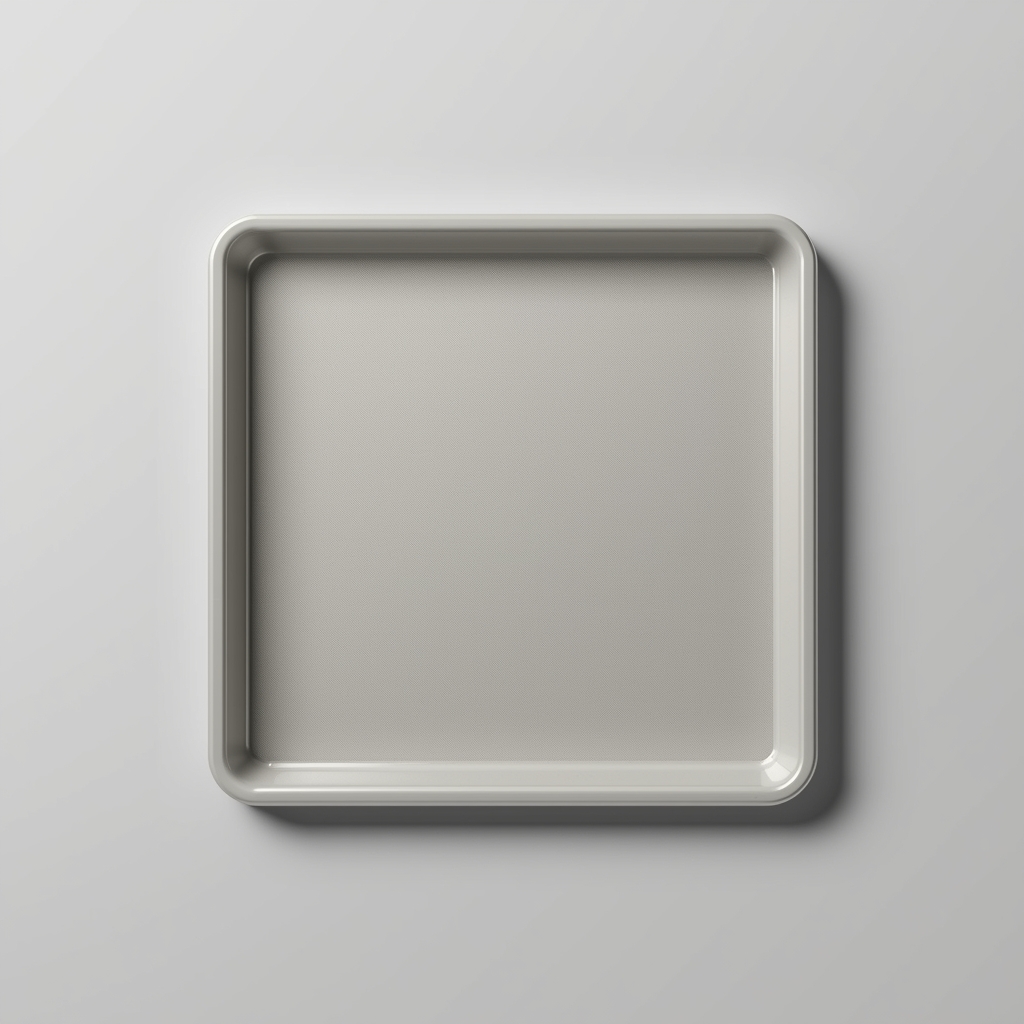
  • Can You Put Toaster Oven Trays in the Dishwasher?

    Can You Put Toaster Oven Trays in the Dishwasher?

    Why or Why Not?

    Yes, you can put toaster oven trays in the dishwasher, but it depends on the material of the tray. Many trays are designed to withstand the high temperatures and water pressure of a dishwasher. However, some materials may warp or degrade over time when exposed to these conditions.

    What Happens If You Do Anyway?

    If you place a non-dishwasher-safe toaster oven tray in the dishwasher, it may become warped or damaged. This can lead to uneven cooking in the future. Additionally, any non-stick coating may wear off, affecting the tray’s performance and making it more difficult to clean by hand.

    Manufacturer Guidance (General)

    Always refer to the manufacturer’s instructions regarding the care of your toaster oven tray. Some manufacturers specify that their trays are dishwasher-safe, while others recommend hand washing to preserve the integrity of the material. Following these guidelines can help extend the life of your tray.

    Safer Way to Clean It

    The safest way to clean a toaster oven tray is by hand washing it with warm, soapy water. Use a non-abrasive sponge to avoid scratching the surface. For tough stains, a mixture of baking soda and water can be effective. Rinse thoroughly and dry with a soft cloth to prevent water spots.

    Frequently Asked Questions

    Q: Can I use abrasive cleaners on my toaster oven tray?
    A: No, abrasive cleaners can scratch and damage the surface of the tray.

    Q: How often should I clean my toaster oven tray?
    A: It is best to clean the tray after each use to prevent buildup and maintain its condition.

    Q: Is it safe to use aluminum foil in my toaster oven?
    A: Yes, but ensure it does not touch the heating elements to avoid fire hazards.

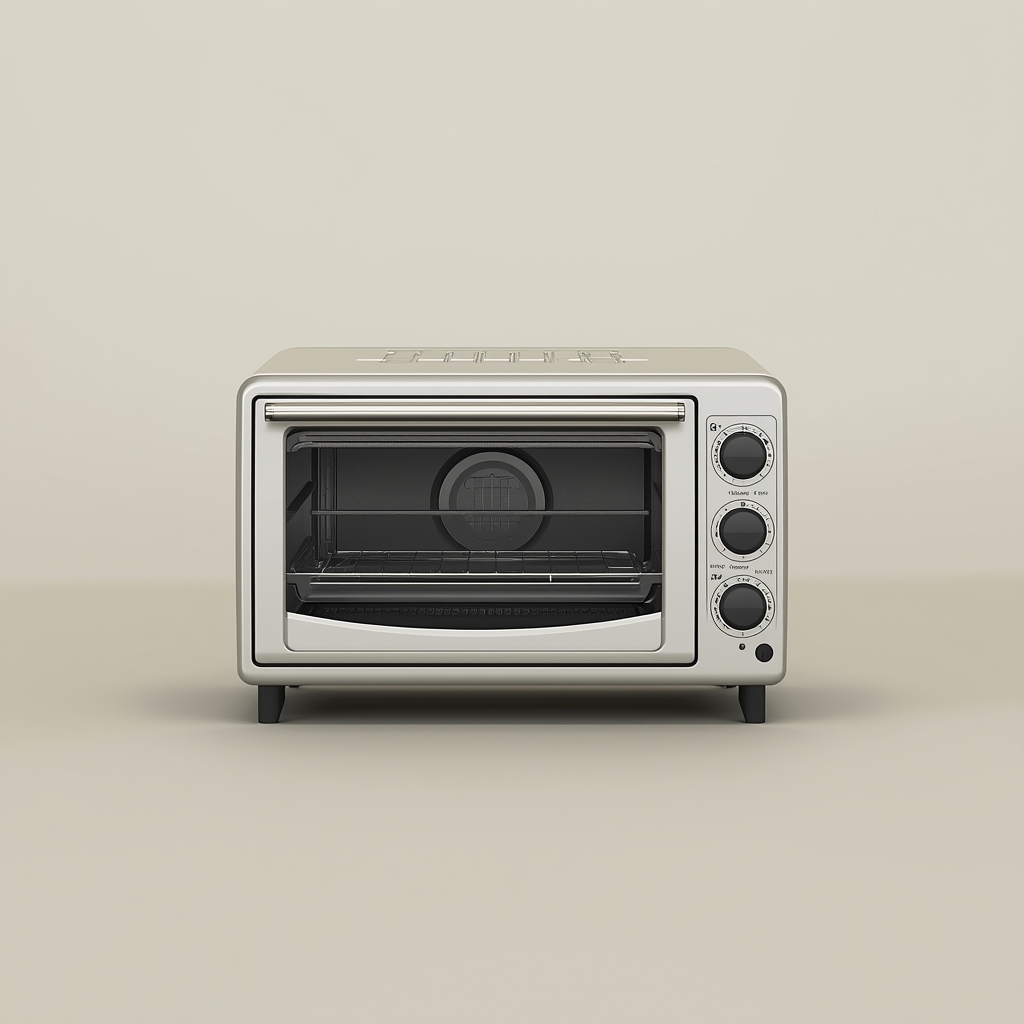
  • Can You Put Toaster Ovens in the Dishwasher?

    Can You Put Toaster Ovens in the Dishwasher?

    Why or Why Not?

    No, you cannot put toaster ovens in the dishwasher. Toaster ovens are not designed to be submerged in water or exposed to high-pressure water jets. The internal components, such as heating elements and electrical wiring, can be damaged by water exposure.

    What Happens If You Do Anyway?

    If you place a toaster oven in the dishwasher, several issues may arise. Water can seep into the electrical components, potentially causing short circuits. Additionally, the high temperatures and water pressure can damage the insulation and other materials, leading to malfunction or complete failure of the appliance.

    Manufacturer Guidance (General)

    Most manufacturers explicitly advise against placing toaster ovens in dishwashers. They recommend cleaning the exterior and removable parts by hand. Always refer to the user manual for specific cleaning instructions tailored to your model.

    Safer Way to Clean It

    The safest way to clean a toaster oven is to unplug it and allow it to cool completely. Use a damp cloth or sponge to wipe down the exterior. For the interior, remove any crumbs and use a non-abrasive cleaner to scrub surfaces. Ensure that no moisture gets into the electrical components.

    Frequently Asked Questions

    Q: Can I wash the removable trays in the dishwasher?
    A: Yes, most removable trays and racks are dishwasher safe. Check the manufacturer’s guidelines to confirm.

    Q: How often should I clean my toaster oven?
    A: It is advisable to clean your toaster oven regularly, ideally after every use, to prevent buildup of grease and food particles.

    Q: What should I use to clean the interior of my toaster oven?
    A: Use a non-abrasive cleaner and a soft cloth or sponge to avoid scratching the surfaces.