Why or Why Not?
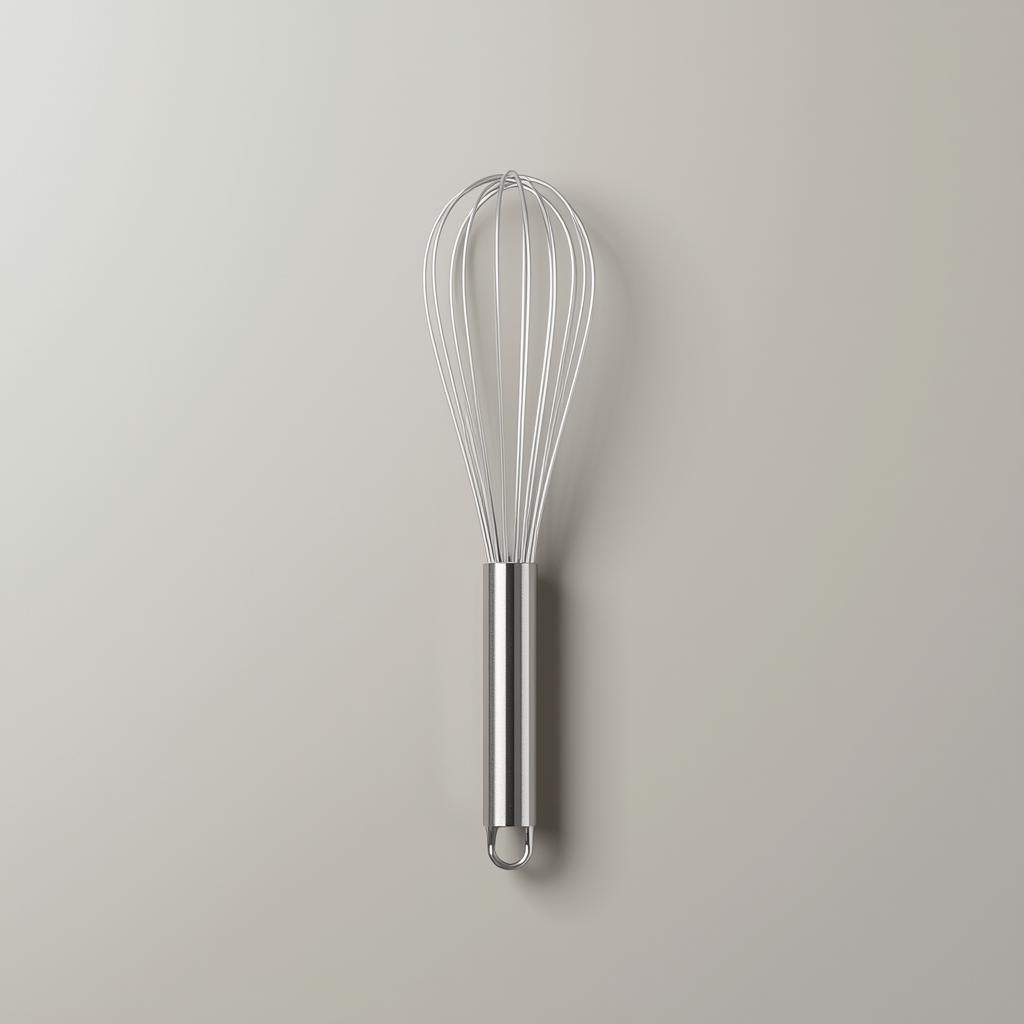
Yes, silicone whisks can generally be placed in the dishwasher. Silicone is a durable material that can withstand high temperatures, making it suitable for dishwasher cleaning. However, it is essential to check the specific care instructions provided by the manufacturer, as some silicone products may have additional components that are not dishwasher safe.
What Happens If You Do Anyway?
If you place a silicone whisk in the dishwasher, it may come out clean, but there are potential risks. Over time, exposure to high heat and harsh detergents can degrade the silicone material. This degradation may lead to discoloration, loss of flexibility, or even a change in texture. Additionally, if the whisk has any metal parts, those may rust or corrode in the dishwasher.
Manufacturer Guidance (General)
Most manufacturers provide specific care instructions for their silicone products. It is advisable to read these guidelines carefully. Some may recommend hand washing to prolong the life of the whisk, while others may explicitly state that their silicone products are dishwasher safe. Always follow the manufacturer’s recommendations to ensure the best care for your kitchen tools.
Safer Way to Clean It
If you want to ensure the longevity of your silicone whisk, hand washing is a safer option. Use warm, soapy water and a soft sponge to clean the whisk thoroughly. Rinse it well to remove any soap residue. This method helps maintain the integrity of the silicone and prevents any potential damage from the dishwasher.
Frequently Asked Questions
Q: Can I use a silicone whisk for high-heat cooking?
A: Yes, silicone whisks are heat resistant and can be used for high-heat cooking, typically up to 500°F.
Q: Are silicone whisks safe for non-stick cookware?
A: Yes, silicone whisks are safe for use with non-stick cookware as they do not scratch or damage the surface.
Q: How do I remove stains from a silicone whisk?
A: To remove stains, soak the whisk in a mixture of baking soda and water, then scrub gently with a soft sponge.