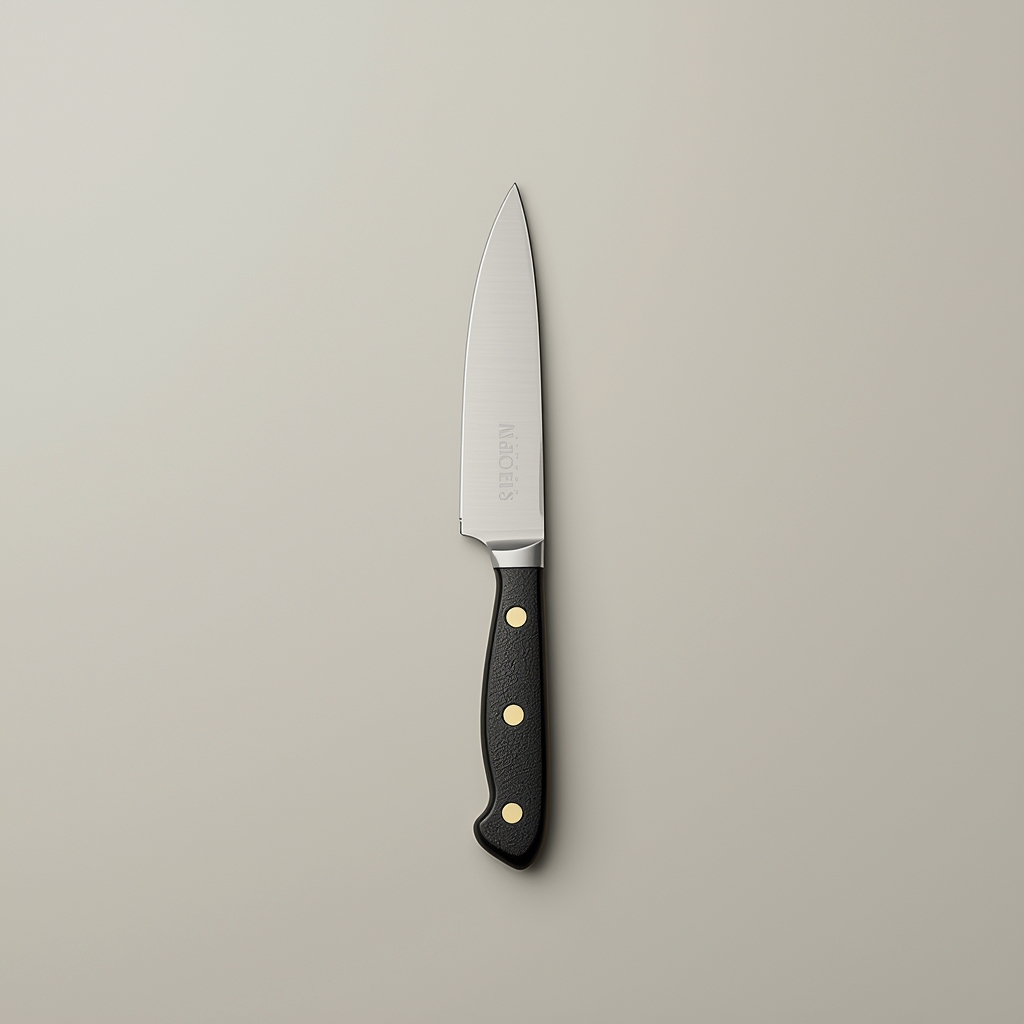
Yes, you can put paring knives in the dishwasher, but it is not recommended.
While many dishwashers have a setting that can accommodate various kitchen utensils, paring knives are often best cleaned by hand. The materials used in the construction of paring knives can be sensitive to the harsh conditions inside a dishwasher.
Why or Why Not?
Paring knives are typically made from stainless steel, which is resistant to rust and corrosion. However, the high heat and strong detergents in dishwashers can dull the blade over time. Additionally, the movement of other items in the dishwasher can cause nicks and scratches on the blade.
Another reason to avoid placing paring knives in the dishwasher is the risk of injury. Knives can become dislodged during the wash cycle, posing a hazard when unloading the machine.
What Happens If You Do Anyway?
If you choose to wash your paring knife in the dishwasher, you may notice that the blade becomes dull more quickly than if it were hand-washed. The dishwasher’s environment can also lead to discoloration or pitting on the blade, especially if the knife is made from lower-quality materials.
Furthermore, if the knife is not secured properly, it could potentially damage other items in the dishwasher or even break, leading to additional costs for replacement.
Manufacturer Guidance (General)
Most manufacturers recommend hand washing paring knives to maintain their quality and longevity. They often suggest using warm, soapy water and a soft sponge to clean the blade. After washing, the knife should be dried immediately to prevent water spots and rust.
Always refer to the specific care instructions provided by the manufacturer for the best results.
Safer Way to Clean It
The safest way to clean a paring knife is to wash it by hand. Use warm water and mild dish soap, and avoid abrasive sponges that can scratch the blade. After washing, rinse thoroughly and dry the knife with a soft cloth to prevent moisture from causing any damage.
Storing the knife in a protective sheath or a knife block can also help maintain its sharpness and protect it from damage.
Frequently Asked Questions
Q: Can I wash my paring knife with other utensils?
A: It is best to wash paring knives separately to avoid potential damage to the blade and to prevent injury.
Q: How often should I sharpen my paring knife?
A: The frequency of sharpening depends on usage, but generally, it is advisable to sharpen it every few months or when you notice a decline in cutting performance.
Q: What is the best way to store a paring knife?
A: Storing a paring knife in a knife block, magnetic strip, or protective sheath can help maintain its sharpness and prevent accidents.