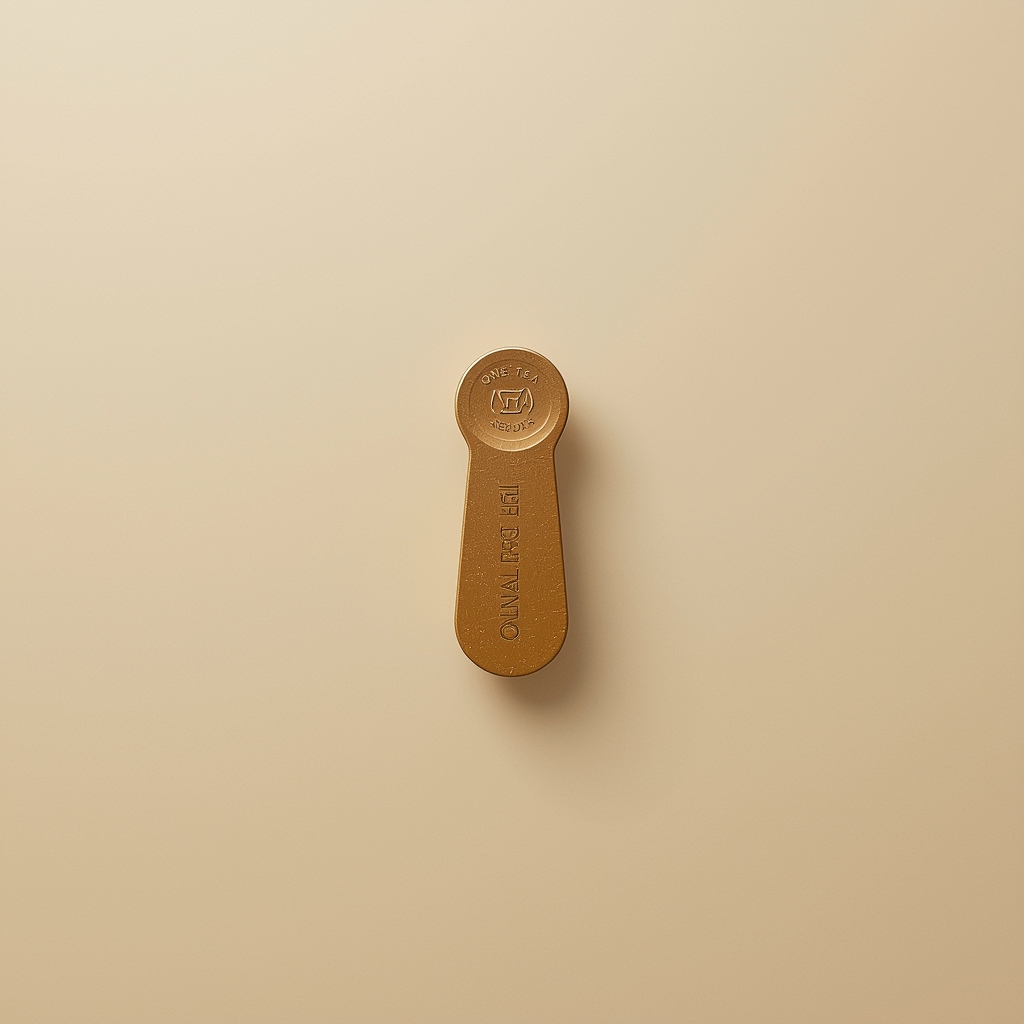
Yes, you can put tea scoops in the dishwasher.
However, whether you should do so depends on the material of the tea scoop.
Why or Why Not?
Many tea scoops are made from stainless steel, silicone, or plastic. Stainless steel scoops are generally dishwasher-safe and can withstand high temperatures. Silicone scoops are also typically safe for the dishwasher, but it is advisable to check the manufacturer’s instructions. Plastic scoops may not be as durable and could warp or degrade over time in the dishwasher.
What Happens If You Do Anyway?
If you place a non-dishwasher-safe tea scoop in the dishwasher, it may become warped, discolored, or damaged. This can affect its functionality and lifespan. Additionally, if the scoop is made from a material that is not heat-resistant, it could potentially release harmful chemicals when exposed to high temperatures.
Manufacturer Guidance (General)
Most manufacturers provide specific care instructions for their products. It is essential to refer to these guidelines to determine if your tea scoop is dishwasher-safe. If the scoop is labeled as dishwasher-safe, it is usually safe to place it on the top rack of the dishwasher. If not, hand washing is recommended to preserve its quality.
Safer Way to Clean It
The safest way to clean a tea scoop, especially if you are unsure about its material, is to wash it by hand. Use warm soapy water and a soft sponge to gently scrub the scoop. Rinse thoroughly and allow it to air dry. This method helps maintain the integrity of the scoop and ensures it remains in good condition for future use.
Frequently Asked Questions
Q: Can I use abrasive cleaners on my tea scoop?
A: No, abrasive cleaners can scratch and damage the surface of the scoop.
Q: How often should I clean my tea scoop?
A: It is best to clean your tea scoop after each use to prevent residue buildup.
Q: Is it safe to soak my tea scoop in water?
A: Yes, soaking is safe, but avoid prolonged exposure to water, especially for wooden or porous materials.