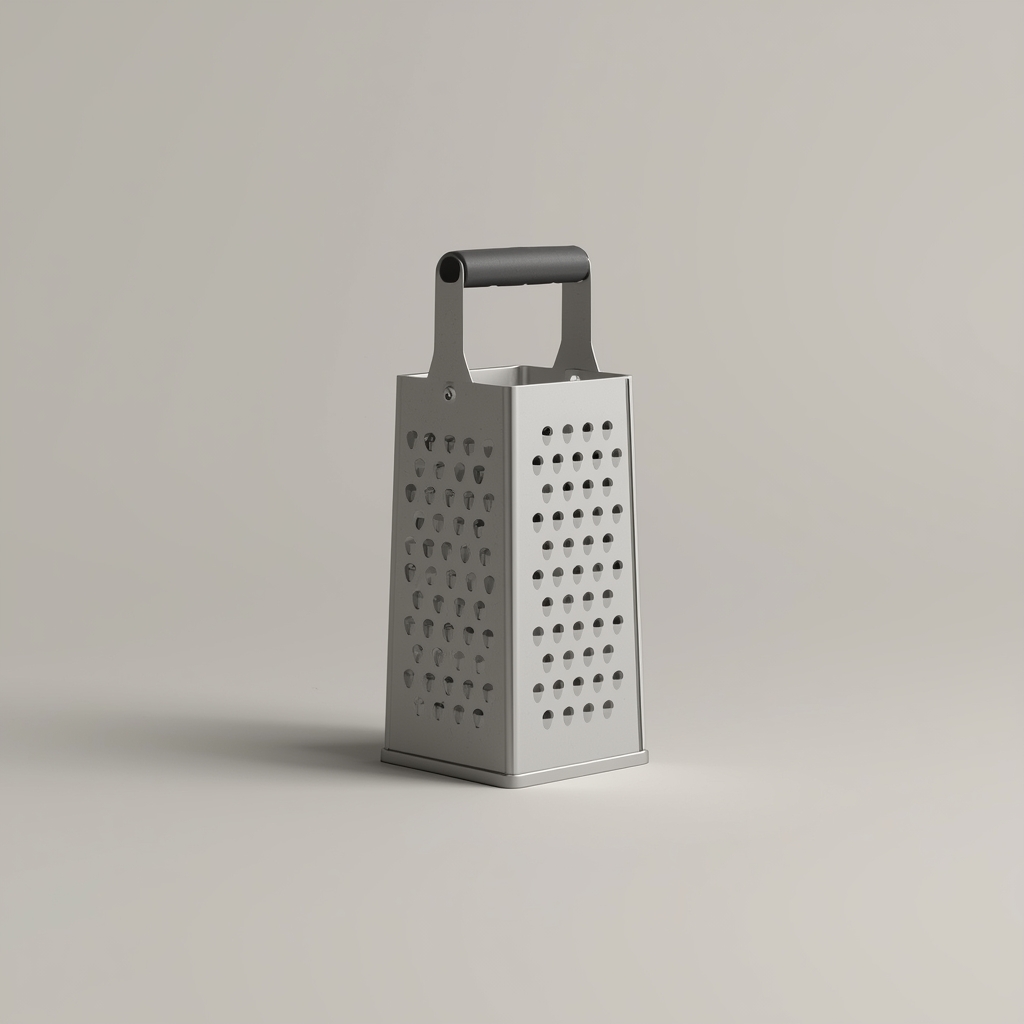
Yes
Microplane graters should not be placed in the dishwasher. While they may seem durable, the high heat and harsh detergents used in dishwashers can damage the grater’s surface and affect its performance.
Why or Why Not?
The primary reason for avoiding the dishwasher is the potential for the grater’s blades to become dulled or corroded. The intense heat can warp the plastic components, and the abrasive nature of dishwasher detergents can scratch the surface. This can lead to a less effective grating experience and may even compromise food safety.
What Happens If You Do Anyway?
If you place a Microplane grater in the dishwasher, you may notice that the blades do not perform as well after washing. The grater may also develop rust spots or discoloration, which can be unsightly and may affect the quality of the food being prepared. In some cases, the plastic parts may become brittle and break over time.
Manufacturer Guidance (General)
Most manufacturers recommend hand washing graters with warm, soapy water. This method is gentler and helps maintain the integrity of the blades and the overall structure of the grater. It is advisable to use a soft sponge or cloth to avoid scratching the surface.
Safer Way to Clean It
To clean a Microplane grater effectively, rinse it immediately after use to prevent food particles from drying on the surface. Use a soft brush or sponge to scrub the grater gently. For stubborn residue, soaking it in warm, soapy water for a few minutes can help. Rinse thoroughly and allow it to air dry completely before storing.
Frequently Asked Questions
Q: Can I soak my Microplane grater?
A: Yes, soaking it in warm, soapy water for a short time can help loosen stuck food particles.
Q: What should I avoid when cleaning my grater?
A: Avoid using abrasive sponges or steel wool, as these can scratch the surface and dull the blades.
Q: How often should I clean my grater?
A: It is best to clean your grater after each use to maintain its performance and hygiene.