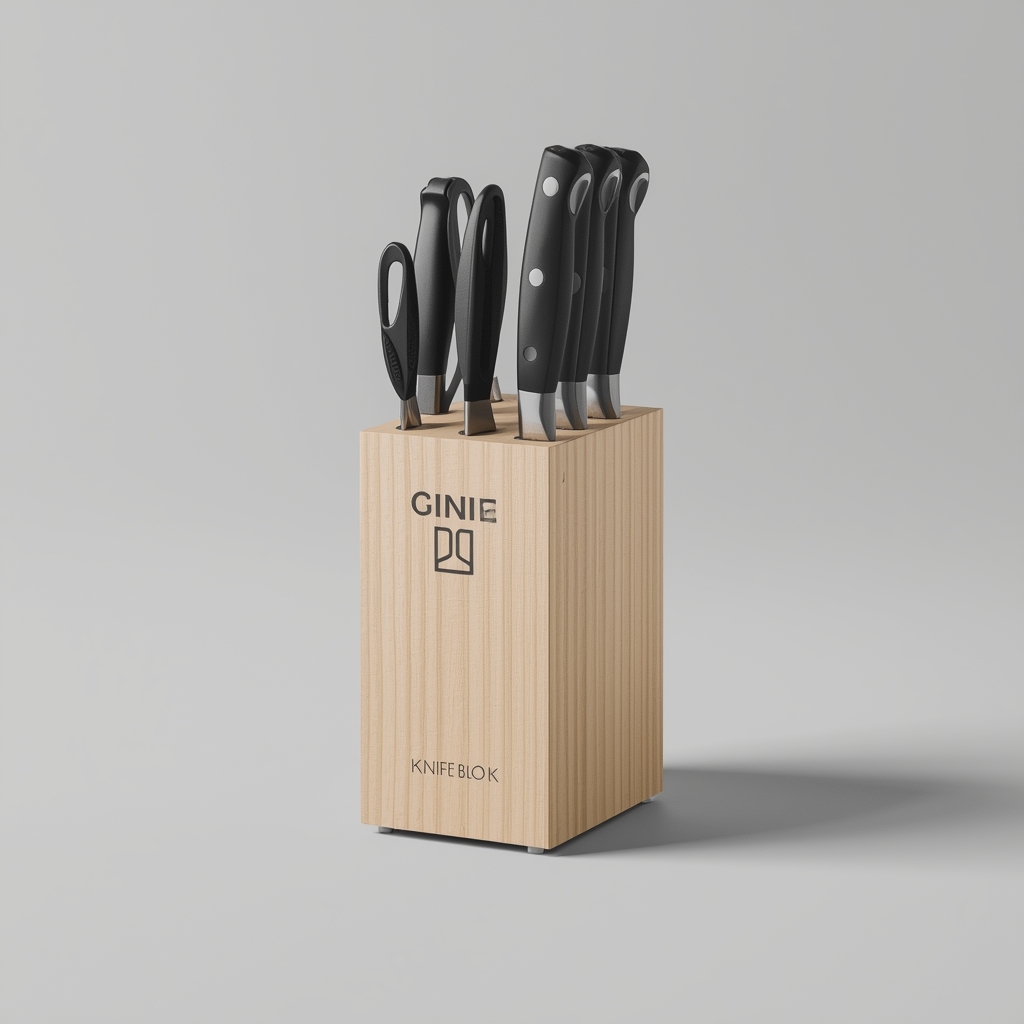
Yes, you can put some knife blocks in the dishwasher, but it is not recommended.
Many knife blocks are made from materials that can warp, crack, or degrade in the high heat and moisture of a dishwasher. While some plastic knife blocks may withstand the dishwasher, wooden and bamboo blocks are particularly susceptible to damage.
Why or Why Not?
Knife blocks are designed to hold knives securely and protect their blades. However, the dishwasher’s environment can compromise the integrity of the block. Wood can absorb water, leading to swelling and splitting. Plastic blocks may be more resilient but can still become discolored or lose their shape over time.
What Happens If You Do Anyway?
If you choose to wash a knife block in the dishwasher, you may notice several negative outcomes. Wooden blocks may warp or crack, while plastic ones may become misshapen. Additionally, the heat can loosen any adhesives used in the construction of the block, leading to further deterioration.
Manufacturer Guidance (General)
Most manufacturers recommend hand washing knife blocks with mild soap and warm water. This method is gentler and helps maintain the block’s structure and appearance. Always refer to the specific care instructions provided by the manufacturer for the best results.
Safer Way to Clean It
The safest way to clean a knife block is to use a damp cloth or sponge with mild soap. For deeper cleaning, you can use a soft brush to remove debris from the slots. Make sure to dry the block thoroughly after cleaning to prevent moisture buildup.
Frequently Asked Questions
Q: Can I clean a wooden knife block with vinegar?
A: Yes, you can use a mixture of vinegar and water to clean a wooden knife block, but avoid soaking it.
Q: How often should I clean my knife block?
A: It is advisable to clean your knife block every few weeks or whenever you notice debris buildup.
Q: Is it safe to use bleach on a knife block?
A: No, bleach can damage the material of the knife block and may leave harmful residues.