Why or Why Not?
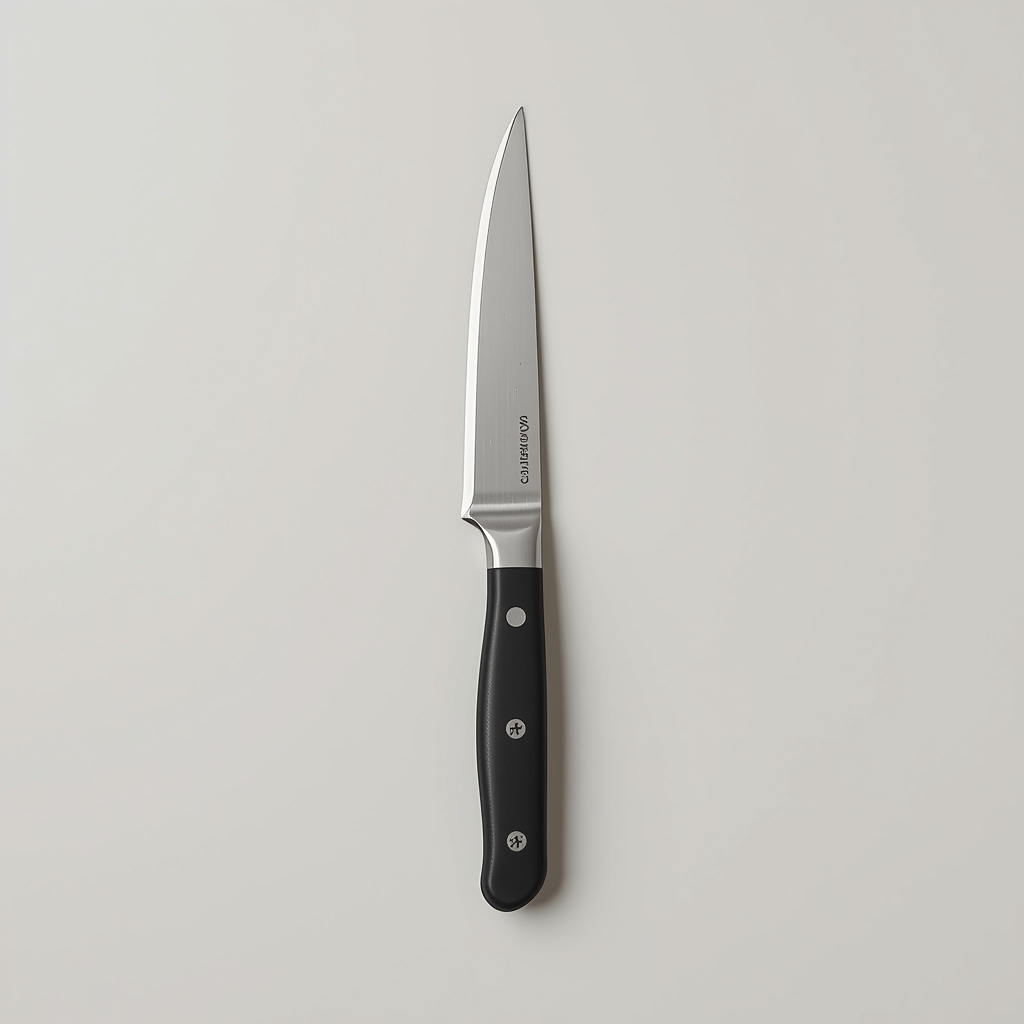
No, you should not put carving knives in the dishwasher. Carving knives are typically made from high-quality materials that can be damaged by the harsh conditions inside a dishwasher. The high temperatures and strong detergents used in dishwashers can dull the blade and compromise its sharpness.
Additionally, the movement of other items in the dishwasher can lead to nicks and scratches on the blade. The handles, often made from wood or other sensitive materials, can warp or crack due to prolonged exposure to moisture and heat.
What Happens If You Do Anyway?
If you put carving knives in the dishwasher, you may notice a decline in their performance. The blades can become dull, making it difficult to achieve clean cuts. Over time, the integrity of the knife may be compromised, leading to potential safety issues while using it.
Furthermore, if the knife is made from stainless steel, it may develop spots or discoloration due to the dishwasher’s environment. The handles can also suffer damage, which may lead to a less comfortable grip and increased risk of slippage during use.
Manufacturer Guidance (General)
Most manufacturers recommend hand washing carving knives to maintain their quality and longevity. They often suggest using warm, soapy water and a soft sponge for cleaning. This method helps preserve the sharpness of the blade and the condition of the handle.
It is also advisable to dry the knife immediately after washing to prevent any moisture-related damage. Following these guidelines can help ensure that your carving knife remains in optimal condition for years to come.
Safer Way to Clean It
The safest way to clean a carving knife is to hand wash it. Start by rinsing the knife under warm water to remove any food particles. Apply a small amount of mild dish soap to a soft sponge or cloth and gently scrub the blade and handle.
After cleaning, rinse the knife thoroughly under warm water to remove all soap residue. Dry it immediately with a soft towel to prevent water spots and rust. Store the knife in a designated knife block or sheath to protect the blade and maintain its sharpness.
Frequently Asked Questions
Q: Can I soak my carving knife in water?
A: No, soaking can lead to rust and damage, especially if the knife has a wooden handle.
Q: How often should I clean my carving knife?
A: Clean your carving knife after each use to maintain its performance and hygiene.
Q: What is the best way to sharpen a carving knife?
A: Use a whetstone or honing rod for the best results, following the manufacturer’s instructions.